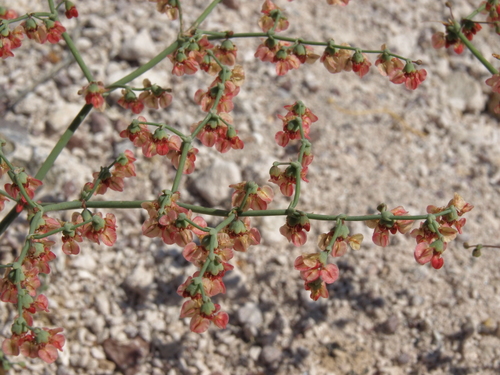
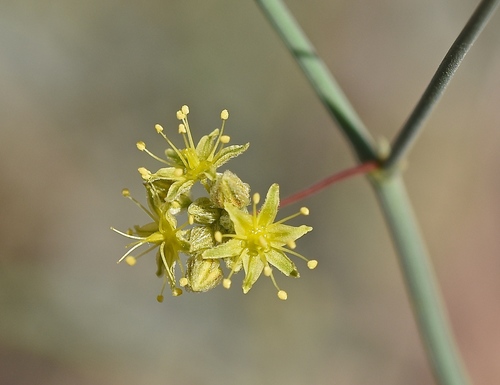
Polygonum microcephalum
D. Don
wikimedia· cc-by-sa
Wikimedia Commons - Rocktim Baruah
wikimedia· cc-by-sa
Wikimedia Commons - Soyuz Sharma
Summary
Source: WikipediaPolygonum microcephalum can refer to: Polygonum microcephalum D.Don (1825), a synonym of Persicaria microcephala (D.Don) H.Gross Polygonum microcephalum Hassk. (1831), a synonym of Persicaria nepalensis (Meisn.) H.Gross
Description
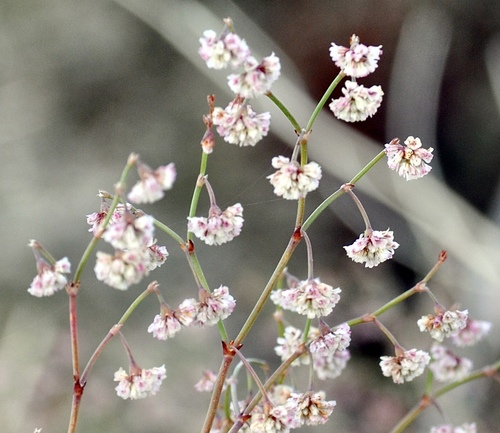
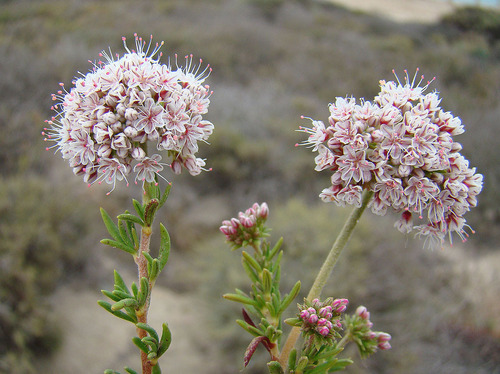
A herb. It can have fine hairs. It grows 1 m tall. It has a woody rootstock and grows each year from this. The leaves are oval or sword shaped. They narrow to a winged leaf stalk. The flowers are in small heads.
Edible Uses
Young shoots can be cooked as a vegetable and also used as a condiment. The seed can be eaten raw or cooked, though it is quite small and fiddly to work with.
Traditional Uses
The slightly sour leaves are added to curry to increase the taste. They are cooked and eaten.
This uses section is brief — help expand it
Medicinal Uses
None known
Known Hazards
Although no specific mention has been made for this species, there have been reports that some members of this genus can cause photosensitivity in susceptible people. Many species also contain oxalic acid (the distinctive lemony flavour of sorrel) - whilst not toxic this substance can bind up other minerals making them unavailable to the body and leading to mineral deficiency. Having said that, a number of common foods such as sorrel and rhubarb contain oxalic acid and the leaves of most members of this genus are nutritious and beneficial to eat in moderate quantities. Cooking the leaves will reduce their content of oxalic acid. People with a tendency to rheumatism, arthritis, gout, kidney stones or hyperacidity should take especial caution if including this plant in their diet since it can aggravate their condition.
Distribution
It is a subtropical plant. In south China it grows between 500-3,200 m above sea level. In Sichuan and Yunnan.
Where It Grows
Asia, Bhutan, China, Himalayas, India, Nepal, Northeastern India, Sikkim, Tibet,
Cultivation
We have very little information on this species and do not know if it is hardy in Britain. The following notes are based on the general needs of the genus. Succeeds in an ordinary garden soil but prefers a moisture retentive not too fertile soil in sun or part shade. Repays generous treatment. Plants seem to be immune to the predations of rabbits.
Propagation
Sow seed in spring in a cold frame. Germination is usually straightforward. Once seedlings are large enough to handle, prick them out into individual pots and plant out during summer if they have grown sufficiently. If not, keep them in a cold frame over winter and plant out the following spring after the last expected frosts.
Other Uses
None known
Notes
There are about 50 Polygonum species.
Synonyms
Also Known As
Delap, Madhusuleng
References (8)
- Ambasta, S.P. (Ed.), 2000, The Useful Plants of India. CSIR India. p 480
- Kumar, Y J. et al, 1987, Further Contribution to the Ethnobotany of Meghalaya: Plants used by "War jaintia" of Jaintia Hill District. Econ. Tax. Bot. Vol 11 No. 1 pp 65-
- Patiri, B. & Borah, A., 2007, Wild Edible Plants of Assam. Geethaki Publishers. p 115
- Plants for a Future database, The Field, Penpol, Lostwithiel, Cornwall, PL22 0NG, UK. http://www.scs.leeds.ac.uk/pfaf/
- Saikia, M., 2015, Wild edible vegetables consumed by Assamese people of Dhemaji District of Assam, NE India and their medicinal values. Archives of Applied Science Research, 2015, 7 (5):102-109
Show all 8 references Hide references
- Sarma, H., et al, 2010, Updated Estimates of Wild Edible and Threatened Plants of Assam: A Meta-analysis. International Journal of Botany 6(4): 414-423
- Singh, H.B., Arora R.K.,1978, Wild edible Plants of India. Indian Council of Agricultural Research, New Delhi. p 33
- Teron, R. & Borthakur, S. K., 2016, Edible Medicines: An Exploration of Medicinal Plants in Dietary Practices of Karbi Tribal Population of Assam, Northeast India. In Mondal, N. & Sen, J.(Ed.) Nutrition and Health among tribal populations of India. p 154