Pleurotus cystidiosus
O. K. Mill.
Abalone mushroom, Maple oyster mushroom
iNaturalist· cc-by-nc
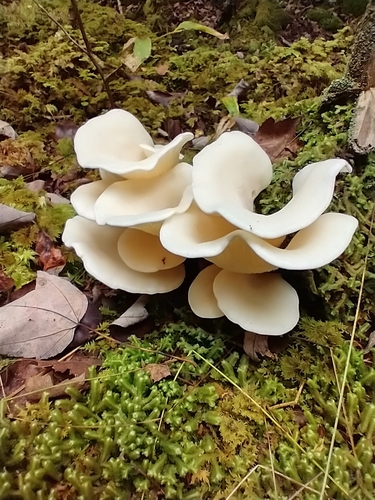
(c) Jel Lam, some rights reserved (CC BY-NC), uploaded by Jel Lam
iNaturalist· cc-by-nc
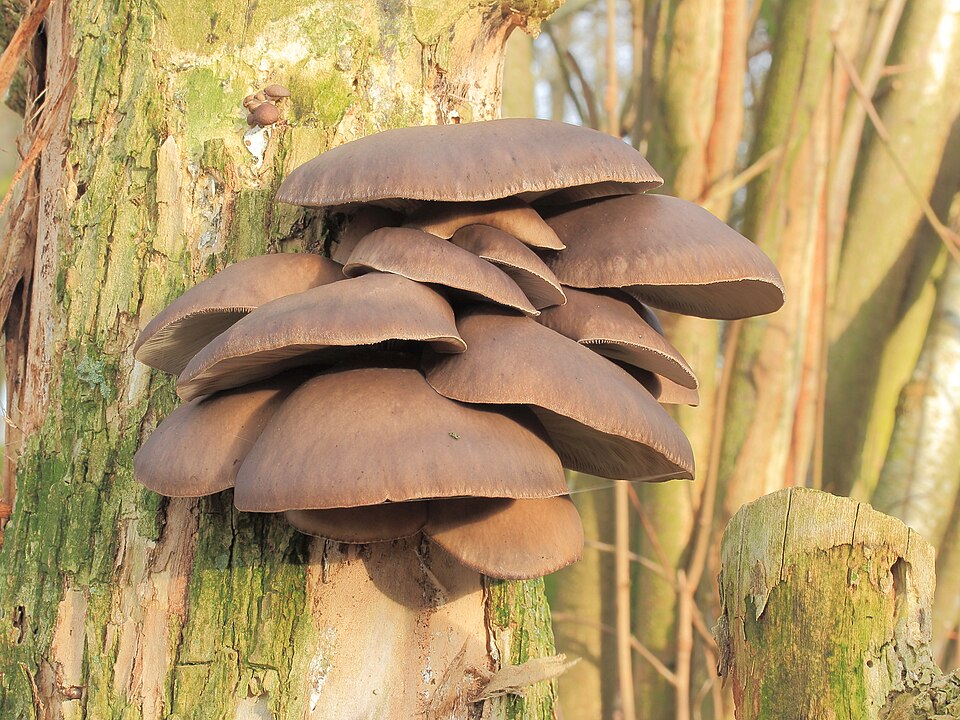
(c) Brett Jackson, some rights reserved (CC BY-NC), uploaded by Brett Jackson
iNaturalist· cc-by-nc
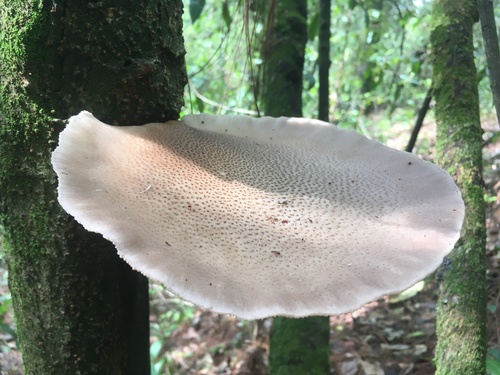
(c) Jel Lam, some rights reserved (CC BY-NC), uploaded by Jel Lam
Summary
Source: WikipediaPleurotus cystidiosus, also known as abalone mushroom and maple oyster mushroom, is an edible species of fungus in the family Pleurotaceae, described as new to science by mycologist Orson K. Miller Jr. in 1969. It can be cultivated, with spores and growing kits being available commercially. Antromycopsis macrocarpa (or A. broussonetiae) is the anamorphic form of this species.
Description
A tropical mushroom in the Pleurotaceae family, commonly cultivated as a food plant.
This description is brief — help expand it
Edible Uses
The fruiting bodies are eaten raw or dried, and can be used in stir-fries, sauces, and cooked dishes such as with lamb.
Traditional Uses
The fruiting bodies are eaten. They can be used in stir-fries, sauces and cooked with lamb. They can be dried.
This uses section is brief — help expand it
Distribution
A tropical plant.
Where It Grows
Africa, Asia, Benin, Burundi, Central Africa, China, Congo DR, East Africa, Hong Kong, Indochina, Indonesia, Malaysia, Rwanda, SE Asia, Taiwan, Thailand, West Africa, West Timor,
Other Information
It is a cultivated food plant.
Notes
Agaricaceae
Synonyms
Also Known As
Bao yu gu, Cendawan abalon, Nangceer
References (11)
- Boa, E. R., 2004, Wild edible fungi and their importance to people. FAO Non Wood Forest Products Booklet 17
- Chin, H. F., 1999, Malaysian Vegetables in Colour. Tropical Press. p 106
- Degreef, J., et al, 2016, Wild edible mushrooms, a valuable resource for food security and rural development in Burundi and Rwanda. Biotechnol. Agron. Soc. Environ. 2016 20(4), 441-452
- efta-online.org, Edible Fungi of Tropical Africa, Jardin botanique Meise
- Facciola, S., 1998, Cornucopia 2: a Source Book of Edible Plants. Kampong Publications, p 255
Show all 11 references Hide references
- Hall, I. R., et al, 2003, Edible and Poisonous Mushrooms of the World. Timber Press. p 313
- Kamalebo, H. M., et al, 2018, Uses and importance of wild fungi: traditional knowledge from the Tshopo province in the Democratic Republic of the Congo. Journal of Ethnobiology and Ethnomedicine (2018) 14:13
- Kaye, G.C., 1986, Wild and Exotic Mushroom Cultivation in North America
- Kaye, G.C., 1986, Wild and Exotic Mushroom Cultivation in North America (As Pleurotus abalonus)
- Sunrinrut, P. et al, 1987, Protein, amino acids and some major and trace elements in Thai and Norwegian mushrooms. Plant Foods for Human Nutrition. 37:117-125
- Yang, J., et al, 2002, Antioxidant properties of several commercial mushrooms. Food Chemistry 77 (2002) 229-235