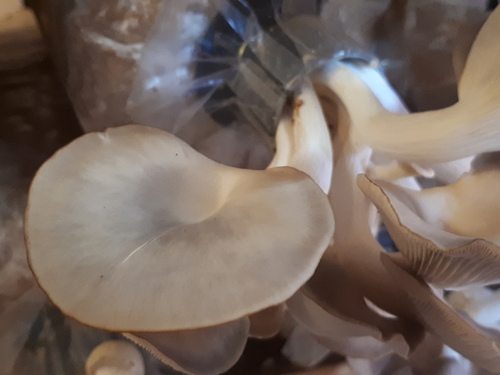
Pleurotus ostreatus var. vulgaris
(Jacq.:Fr.) Quel
Columbine oyster
iNaturalist· cc-by-nc-nd
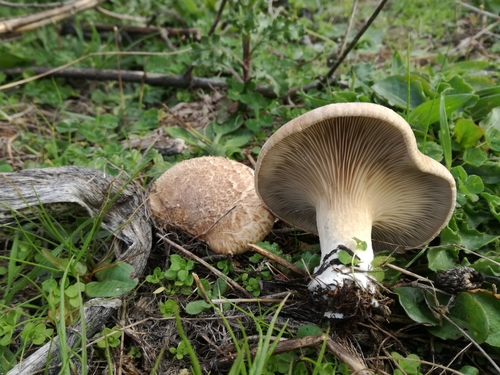
(c) N.W.R, some rights reserved (CC BY-NC-ND), uploaded by N.W.R
iNaturalist· cc-by-nc
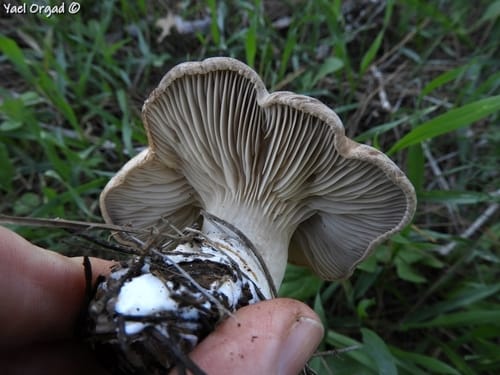
(c) Kai Joaquin, some rights reserved (CC BY-NC), uploaded by Kai Joaquin
iNaturalist· cc-by
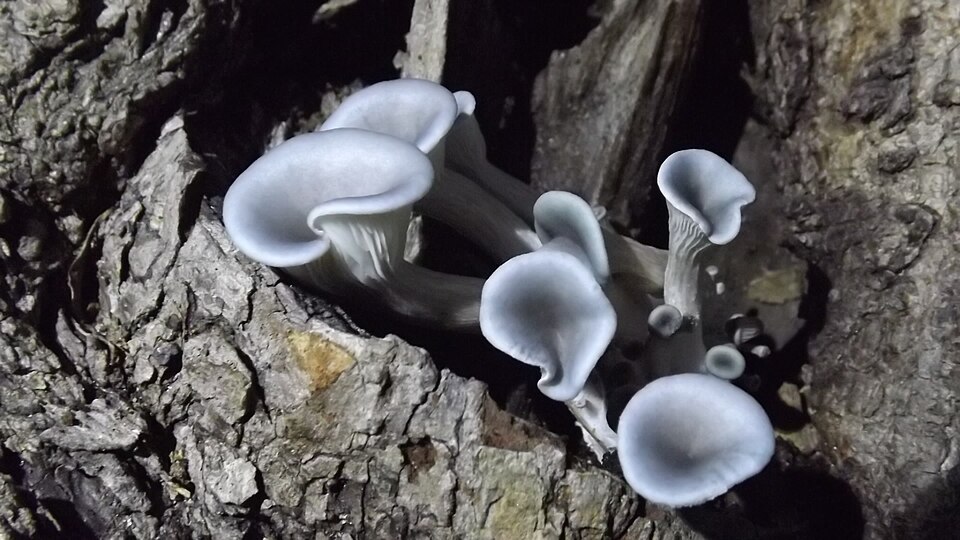
(c) Katja Schulz, some rights reserved (CC BY)
Summary
Source: WikipediaPleurotus ostreatus, commonly known as the oyster mushroom, grey oyster mushroom, oyster fungus, hiratake, or pearl oyster mushroom, is a popular edible mushroom found in temperate and subtropical forests around the world.
Description
A mushroom.
This description is brief — help expand it
Edible Uses
Commercial cultivation of this mushroom first began in Germany as a subsistence measure during World War I, and it is now grown commercially around the world for food. The oyster mushroom is a choice edible. Oyster mushrooms are used in Czech, Polish, and Slovak contemporary cuisine in soups and stews in a similar fashion to meat, as well as breaded to become a vegetarian alternative to the kotlet in Polish dishes. It is a delicacy in Japanese, Korean and Chinese cuisine. In Indonesia it is common to find street food vendors selling crispy deep fried oyster mushrooms. It is frequently served on its own, in soups, stuffed, or in stir-fry recipes with soy sauce. Oyster mushrooms may be used in sauces, such as vegetarian oyster sauce. The mushroom's taste has been described as mild with a slight odor similar to anise. It is best when picked young; as the mushroom ages, the flesh becomes tough and the flavor becomes acrid.
Traditional Uses
The fruiting bodies are eaten.
This uses section is brief — help expand it
Distribution
It is a temperate plant.
Where It Grows
Asia, China, Europe,
Synonyms
References (1)
- Facciola, S., 1998, Cornucopia 2: a Source Book of Edible Plants. Kampong Publications, p 255