Pinus cembra var. siberica
Loudon
Siberian pine
iNaturalist· cc-by-nc
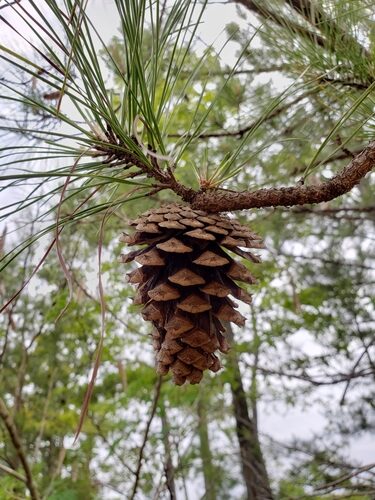
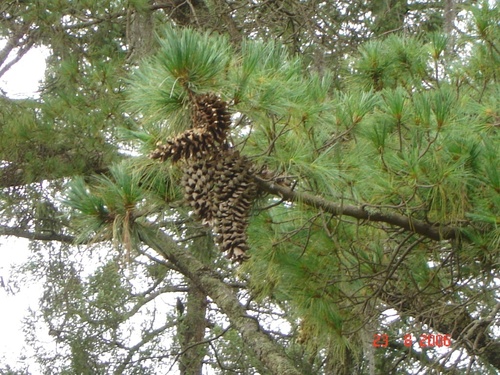
(c) Sébastien SANT, some rights reserved (CC BY-NC), uploaded by Sébastien SANT
iNaturalist· cc-by-nc
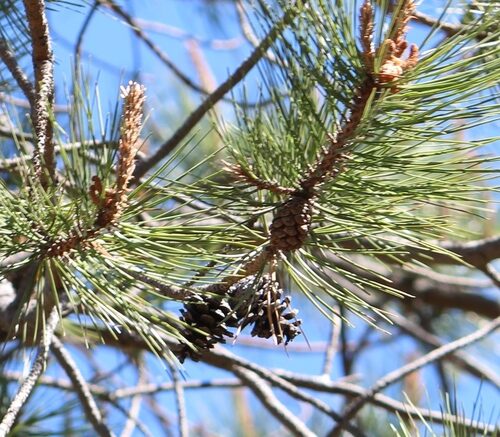
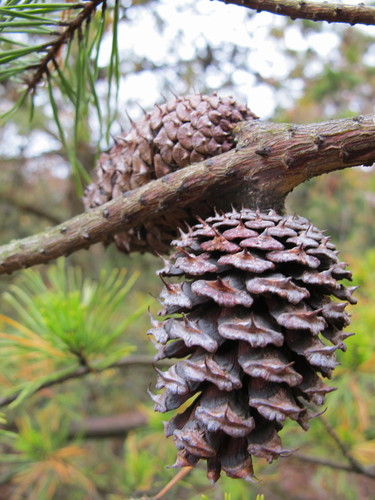
(c) Christopher J. Earle, some rights reserved (CC BY-NC)
iNaturalist· cc-by-nc
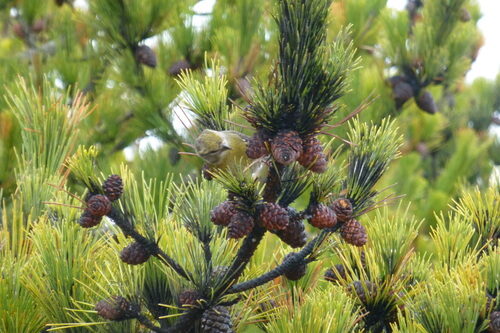
(c) Christopher J. Earle, some rights reserved (CC BY-NC)
Summary
Source: WikipediaPinus cembra, also known as Swiss pine, Swiss stone pine, Arolla pine, Austrian stone pine, or just stone pine, is a species of pine tree in the subgenus Strobus.
Description
A tree.
This description is brief — help expand it
Edible Uses
Pine cones cut into slices are used to flavor schnapps, which is then sold as "Zirbenschnaps" or "Zirbeler" schnapps. The wood is the most used for carvings in Val Gardena since the 17th century.
Medicinal Uses
The cone of the Swiss pine was the field sign of the Roman legion stationed in Rhaetia in 15 BC, and hence it is used as the heraldic charge (known as Zirbelnuss in German) in the coat of arms of the city of Augsburg, the site of the Roman fort Augusta Vindelicorum. It is also a species that is often used in bonsai. Pinus cembra can be found in the uppermost forest belt where it helps to minimize the risk of avalanches and soil erosion. Due to this ability, the tree is valued as a stabilizing factor for afforestation projects at high elevations. Like other European and Asian white pines, Swiss pine is very resistant to white pine blister rust (Cronartium ribicola). This fungal disease was accidentally introduced from Europe into North America, where it has caused severe mortality in the American native white pines in many areas, notably, Western white pine and the closely related whitebark pine. Swiss pine is of great value for research into hybridization to develop rust resistance in these species.
Distribution
It is a temperate plant. It suits hardiness zone 3.
Where It Grows
Asia, China, Mongolia, Russia, Siberia, USA,
Notes
There are over 100 species of Pinus.
References (4)
- Arbor. frutic. brit. 4:2275. 1838 (G. Don in J. C. Loudon, Hort. brit. ed. 1:387. 1830, nom. nud.)
- Hedrick, U.P., 1919, (Ed.), Sturtevant's edible plants of the world. p 496
- Jackes, D. A., Edible Forest Gardens
- Plants for a Future database, The Field, Penpol, Lostwithiel, Cornwall, PL22 0NG, UK. http://www.scs.leeds.ac.uk/pfaf/