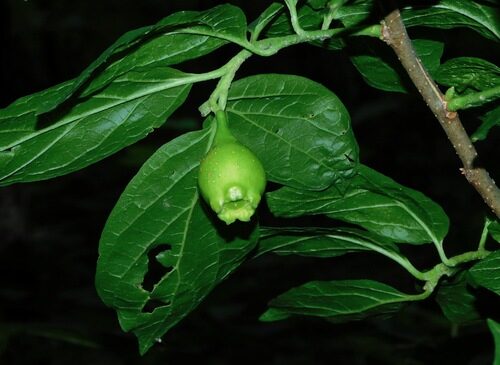
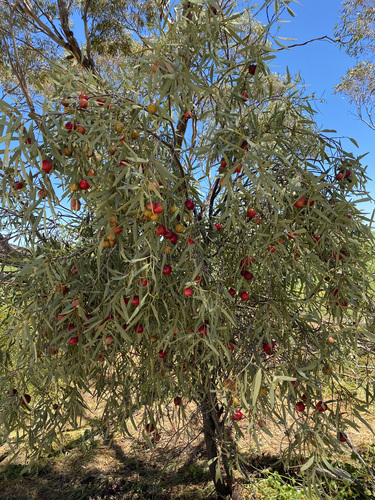
Phoradendron californicum
Nutt.
Mesquite mistletoe
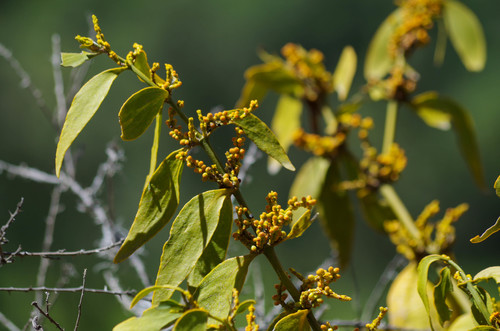
iNaturalist· cc-by-nc
(c) Zachary Nielsen, some rights reserved (CC BY-NC), uploaded by Zachary Nielsen
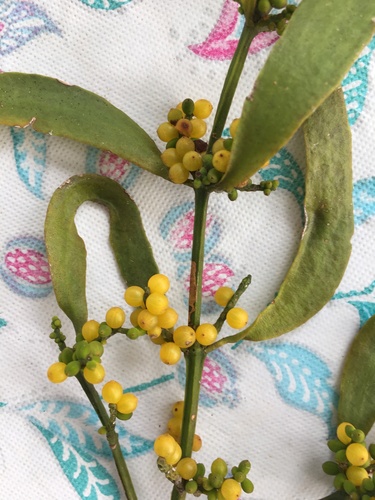
iNaturalist· cc-by-nc
(c) Zachary Nielsen, some rights reserved (CC BY-NC), uploaded by Zachary Nielsen
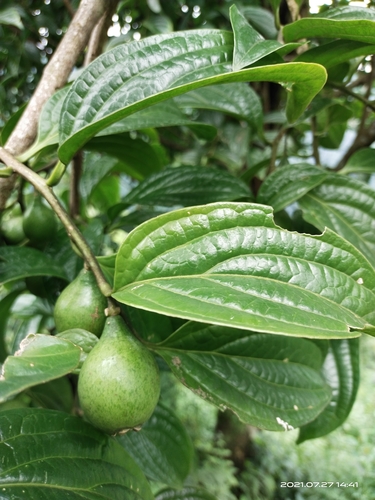
iNaturalist· cc-by-nc
(c) Ron Vanderhoff, some rights reserved (CC BY-NC), uploaded by Ron Vanderhoff
Summary
Source: WikipediaPhoradendron californicum, the desert mistletoe or mesquite mistletoe, is a hemiparasitic plant native to southern California, Nevada, Arizona, Sonora, Sinaloa and Baja California. It can be found in the Mojave and Sonoran Deserts at elevations of up to 1400 m (4600 feet). The mistletoe is a leafless plant that attaches to host plants, often leguminous woody desert trees such as Cercidium and Prosopis. Desert mistletoe takes water and minerals from its host plants but it does its own photosynthesis, making it a hemiparasite. Desert mistletoes, like mistletoes in general, weave nutrient cycles together through their unique life history.
Description
A mistletoe or parasitic shrub in the Santalaceae family that grows attached to other plants in warm temperate to subtropical arid regions.
This description is brief — help expand it
Edible Uses
The fruit are eaten raw, boiled and eaten alone, boiled and mixed with crushed wheat in a porridge, or sun dried and stored for later use.
Traditional Uses
The fruit are boiled and mixed with crushed wheat in a porridge. The fruit are sun dried and stored for later use. The fruit are boiled and eaten. They are also eaten raw.
Distribution
It is a warm temperate or subtropical plant. It grows in arid places.
Where It Grows
Mexico, North America, USA,
Notes
Also put in the family Viscaceae.
Also Known As
Aaxt, Guhoja, Toji
References (4)
- Beckstrom-Sternberg, Stephen M., and James A. Duke. "The Foodplant Database." http://probe.nalusda.gov:8300/cgi-bin/browse/foodplantdb.(ACEDB version 4.0 - data version July 1994)
- Felger, R. S. 1980, Vegetation and Flora of the Gran Desierti, Sonora, Mexico. Desert Plants 2(2). Arizona-Sonora Desert Museum. p 9
- Kermath, B. M., et al, 2014, Food Plants in the Americas: A survey of the domesticated, cultivated and wild plants used for Human food in North, Central and South America and the Caribbean. On line draft. p 642
- Moerman, D. F., 2010, Native American Ethnobotany. Timber Press. p 393