Blutaparon vermiculare
(L.) Mears
Samphire
iNaturalist· cc-by-nc
(c) Brice C., some rights reserved (CC BY-NC), uploaded by Brice C.
iNaturalist· cc-by-nc
(c) Maxim Nuraliev, some rights reserved (CC BY-NC), uploaded by Maxim Nuraliev
iNaturalist· cc-by-nc-sa
(c) Jason Sharp, some rights reserved (CC BY-NC-SA), uploaded by Jason Sharp
Description
A herb. It lies along the ground. It has red creeping stems. It is succulent and forms roots at the nodes. It can grow 1 m long. The branches are often thickened just below the nodes. The leaves are fleshy. The are oblong and 5 cm long. The flowers are white and in spikes at the ends of the plant. There are 2 leafy white bracts.
Edible Uses
The fleshy leaves and stems are cooked and eaten as a vegetable.
Traditional Uses
The leaves and stems are fleshy and are cooked and eaten.
This uses section is brief — help expand it
Distribution
It is a tropical plant. It grows along the coast. It grows on sandy beachheads and dry mangroves in West Africa. It grows in wet grassland savannah. It can be along river banks and in near small pools.
Where It Grows
Africa, Angola, Brazil, Cameroon, Central Africa, Central America, Dominican Republic, Ecuador, Gambia, Ghana, Guianas, Guinea, Guinée, Guinea-Bissau, Hawaii, Nigeria, North America, Pacific, Pantropical, Sao Tome and Principe, Senegal, Sierra Leone, South America, Sudan, Togo, USA, West Africa, West Indies,
Notes
There are about 10 Philoxerus species near the sea coast.
Synonyms
Also Known As
Arroz-de-cacre, Brunde, Enhade, Fuhohol, Hogho, Konyamo sinding, Malu-inretha, Ne diambo, Saltweed, Tanku pitax, Yeggeding diambo
References (9)
- Burkill, H. M., 1985, The useful plants of west tropical Africa, Vol. 1. Kew.
- Diouf, M., et al, Leafy Vegetables in Senegal. Bioversity webite (As Philoxerus vermicularis)
- Grubben, G. J. H. and Denton, O. A. (eds), 2004, Plant Resources of Tropical Africa 2. Vegetables. PROTA, Wageningen, Netherlands. p 560
- Kermath, B. M., et al, 2014, Food Plants in the Americas: A survey of the domesticated, cultivated and wild plants used for Human food in North, Central and South America and the Caribbean. On line draft. p 132
- Kiple, K.F. & Ornelas, K.C., (eds), 2000, The Cambridge World History of Food. CUP p 1848
Show all 9 references Hide references
- Martin, F.W. & Ruberte, R.M., 1979, Edible Leaves of the Tropics. Antillian College Press, Mayaguez, Puerto Rico. p 174
- A. Rees, Cycl. 27: Philoxerus no. 3. 1814 "vermiculatus"
- Thiselton-Dywer, W.T., (Ed.), 1913, Flora of Tropical Africa. Vol VI-section 1. Reeve, p 75
- World Checklist of Useful Plant Species 2020. Royal Botanic Gardens, Kew
More from Amaranthaceae
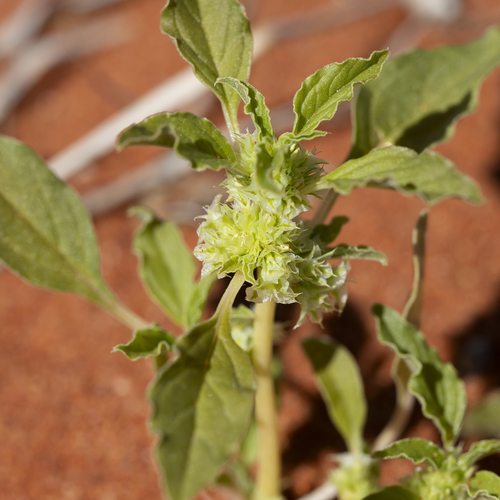
Amaranthus grandiflorus
Spreading pigweed
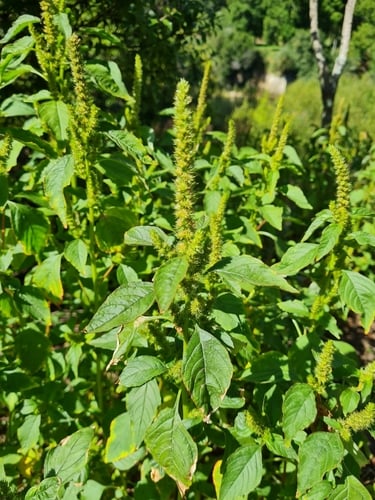
Amaranthus hybridus
Amaranth Greens, Wild Cabbage, Slim Amaranth
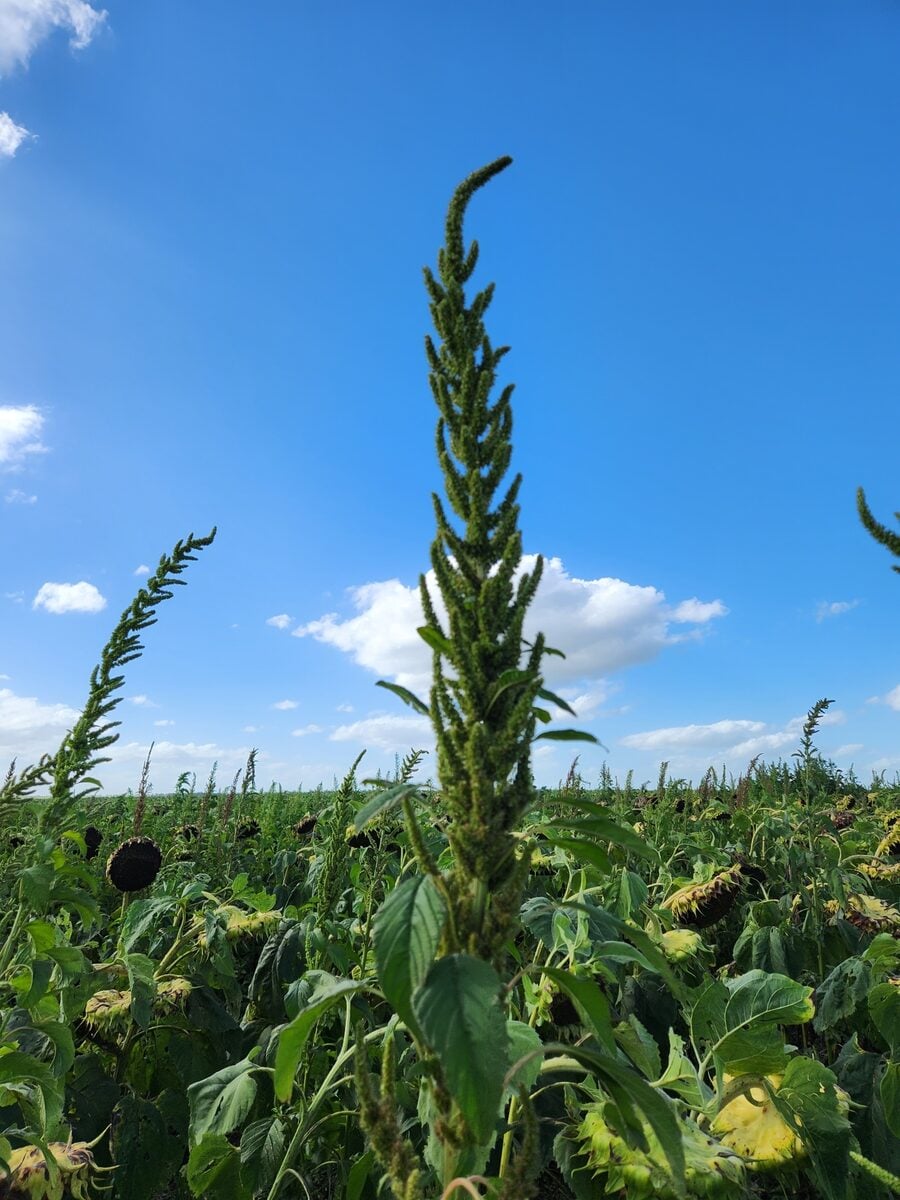
Amaranthus hybridus subsp. quitensis
South American Amaranth, Ataco, Sangorache
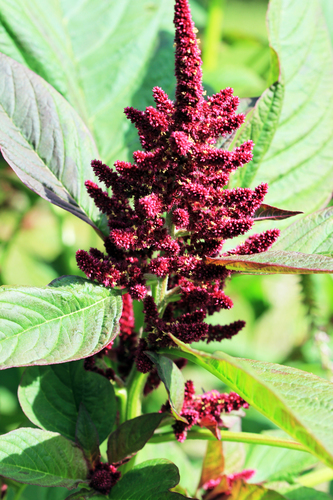
Amaranthus hypochondriacus
Amaranth, Velvet flower
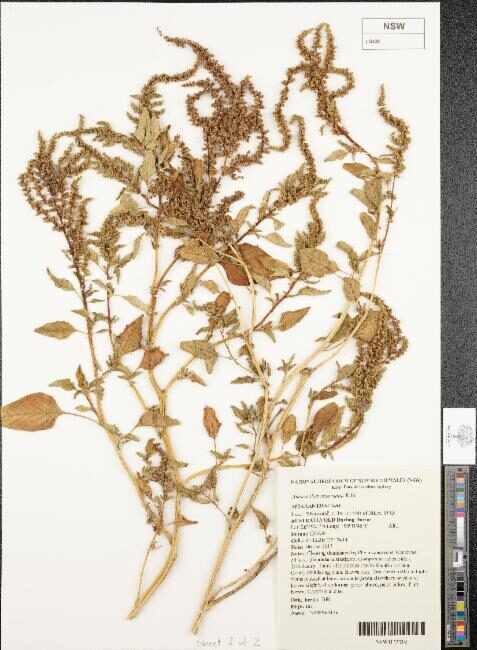
Amaranthus interruptus
Native Amaranth
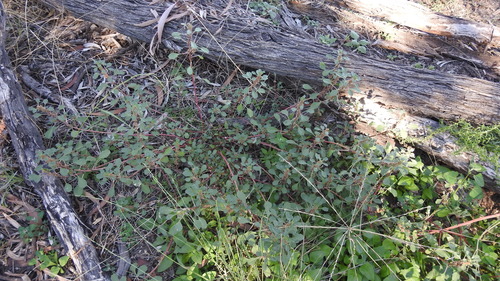
Amaranthus macrocarpus
Desert amaranth