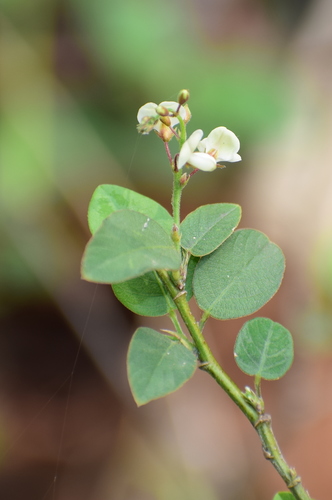
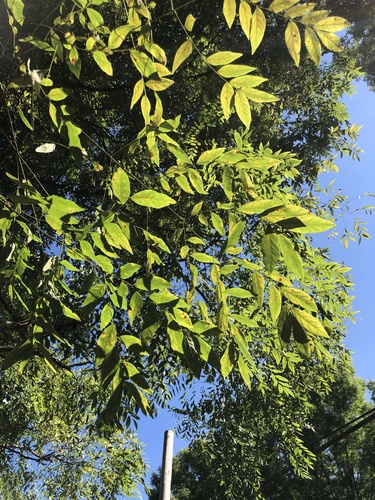
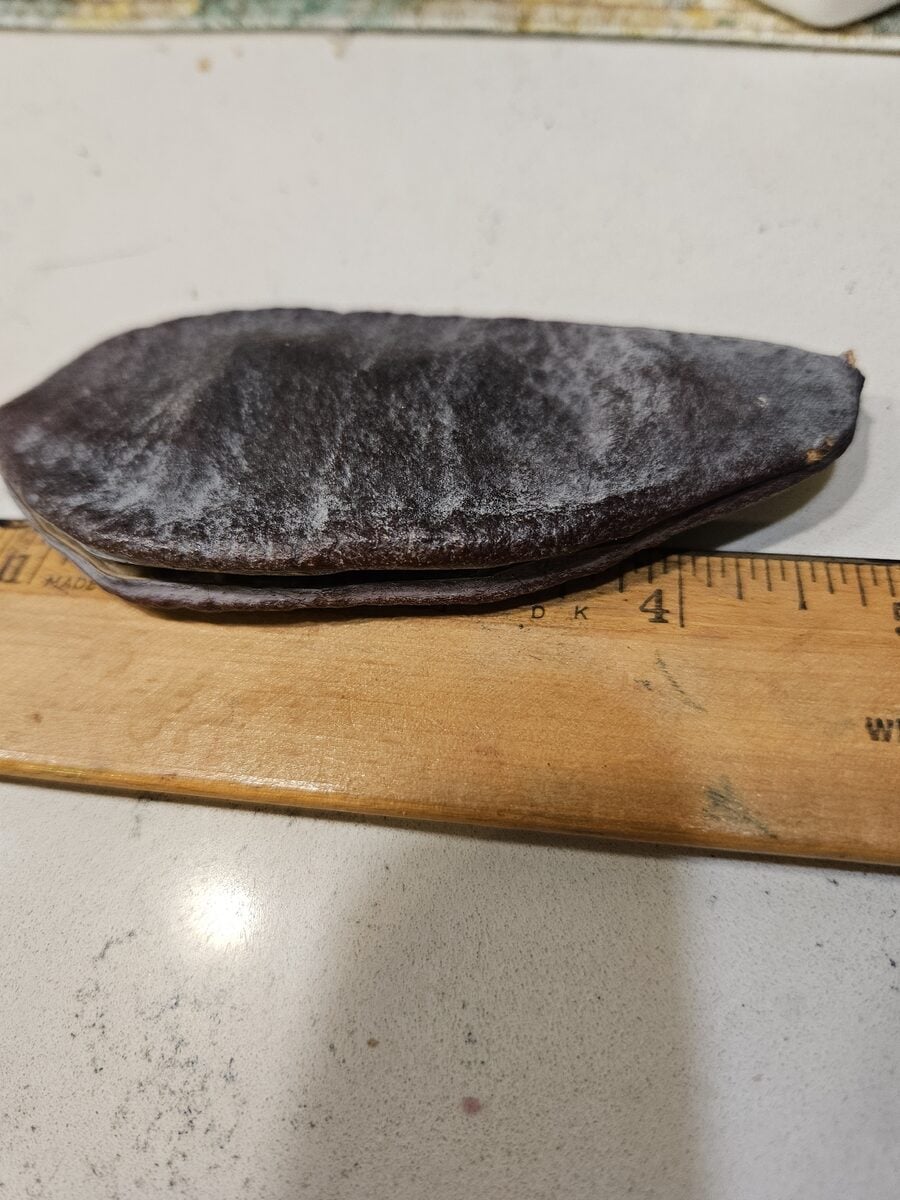
Phaseolus metcalfei
Wooton & Standl.
Metcalfe bean, Wild cocomeca, Prairie bean
wikimedia· cc0
Wikimedia Commons - Tracey Slotta
wikimedia· cc0
Wikimedia Commons - Patrick Alexander from Las Cruces, NM
Description
A herbaceous plant in the legume family found in temperate regions.
This description is brief — help expand it
Edible Uses
The seeds are cooked and eaten. The young pods are also eaten. The roots are used as a catalyst in making an alcoholic drink.
Traditional Uses
The seeds are cooked and eaten. The young pods are also eaten. The roots are used as a catalyst for making an alcoholic drink. Caution: Alcohol is a cause of cancer.
Medicinal Uses
This bean is often used as livestock forage, and it is cited as a gene source for disease resistance in the lima bean (P. lunatus) by Germplasm Resources Information Network. The Tarahumara peoples of the Sierra Madre Occidental in Chihuahua use the roots medicinally and also make glue from the shoots. The species is also occasionally grown as an ornamental.
Known Hazards
Alcohol is a cause of cancer.
Distribution
It is a temperate plant.
Where It Grows
North America, USA,
Synonyms
References (5)
- Beckstrom-Sternberg, Stephen M., and James A. Duke. "The Foodplant Database." http://probe.nalusda.gov:8300/cgi-bin/browse/foodplantdb.(ACEDB version 4.0 - data version July 1994)
- Contr. U.S. Natl. Herb. 16:140. 1913
- Facciola, S., 1998, Cornucopia 2: a Source Book of Edible Plants. Kampong Publications, p 109
- Hedrick, U.P., 1919, (Ed.), Sturtevant's edible plants of the world. p 480 (As Phaseolus retusus)
- Nabhan, G. P. et al, 1980, Wild Beans of the Greater Southwest: Phaseolus metcalfei and P. ritensis. Economic Botany 34(1):68-85