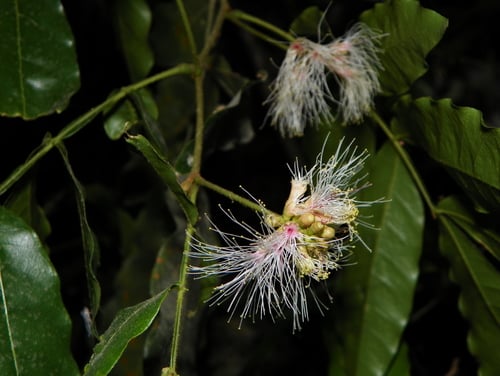
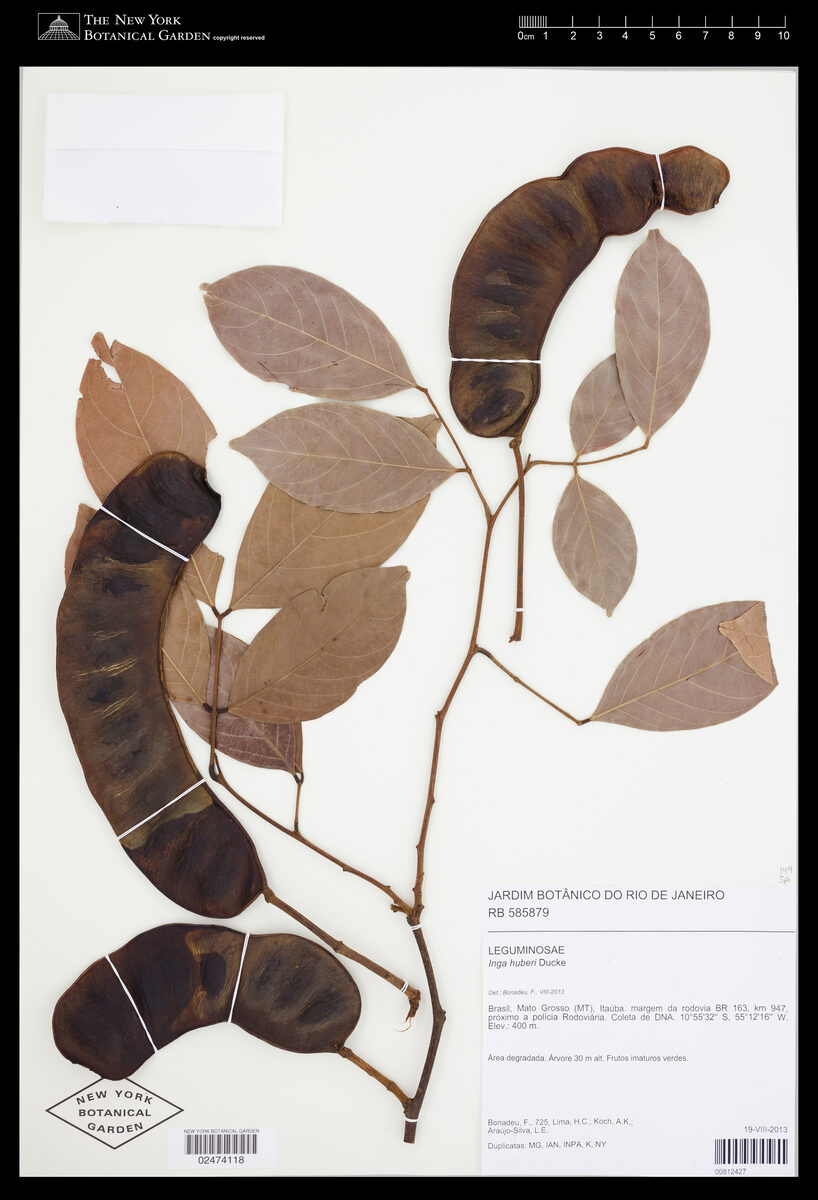
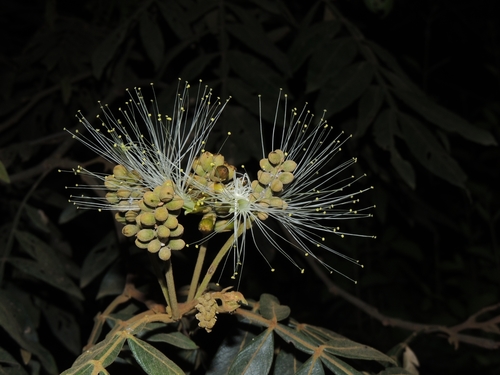
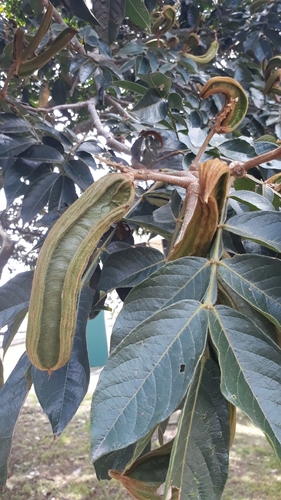
Peteria scoparia
A. Gray
Rush Peteria
iNaturalist· cc-by-nc
(c) wingedchimera, some rights reserved (CC BY-NC), uploaded by wingedchimera
iNaturalist· cc-by-nc-nd
(c) Jason M Crockwell, some rights reserved (CC BY-NC-ND), uploaded by Jason M Crockwell
iNaturalist· cc-by-nc
(c) Dylan Dorey, some rights reserved (CC BY-NC)
Summary
A compact perennial growing to 0.3 m tall. Hermaphroditic flowers attract insect pollination. Nitrogen-fixing plant suitable for light, medium, or heavy soils across mildly acidic to basic pH ranges. Tolerates semi-shade or full sun and prefers moist soil.
Description
A compact perennial growing to 0.3 m tall. Hermaphroditic flowers attract insect pollination. Nitrogen-fixing plant suitable for light, medium, or heavy soils across mildly acidic to basic pH ranges. Tolerates semi-shade or full sun and prefers moist soil.
Edible Uses
The root is edible, though it is rather small.
Medicinal Uses
None known
Distribution
It is a temperate to tropical plant.
Where It Grows
Central America, Mexico, North America, USA,
Cultivation
We have very little information on this species and do not know if it will be hardy outdoors in Britain, though judging by its native range it could succeed outdoors at least in the milder areas of the country. This species has a symbiotic relationship with certain soil bacteria, these bacteria form nodules on the roots and fix atmospheric nitrogen. Some of this nitrogen is utilized by the growing plant but some can also be used by other plants growing nearby.
Propagation
Seed.
Other Uses
None known
References (3)
- Beckstrom-Sternberg, Stephen M., and James A. Duke. "The Foodplant Database." http://probe.nalusda.gov:8300/cgi-bin/browse/foodplantdb.(ACEDB version 4.0 - data version July 1994)
- Hedrick, U.P., 1919, (Ed.), Sturtevant's edible plants of the world. p 472
- Plants for a Future database, The Field, Penpol, Lostwithiel, Cornwall, PL22 0NG, UK. http://www.scs.leeds.ac.uk/pfaf/