Petasites japonicus
(Siebold & Zucc.) Maxim.
Sweet coltsfoot, Butterbur, Bog rhubarb
iNaturalist· cc-by-nc
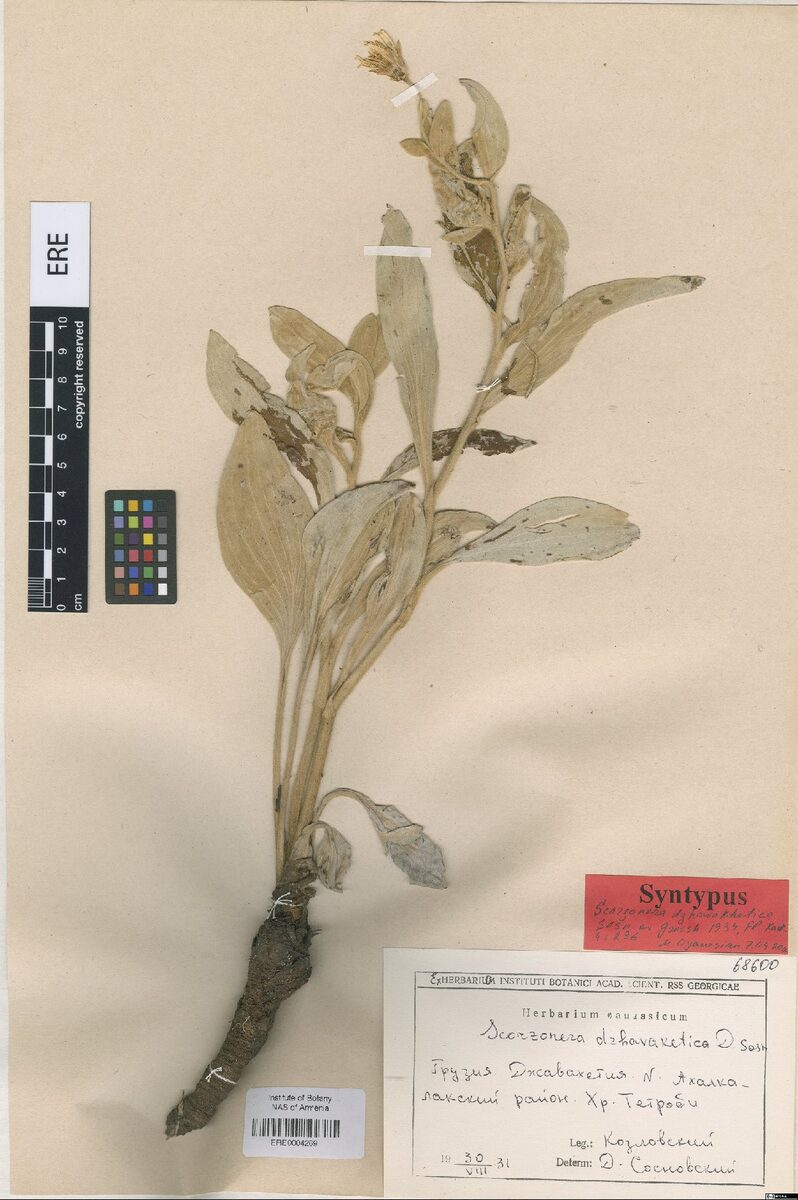
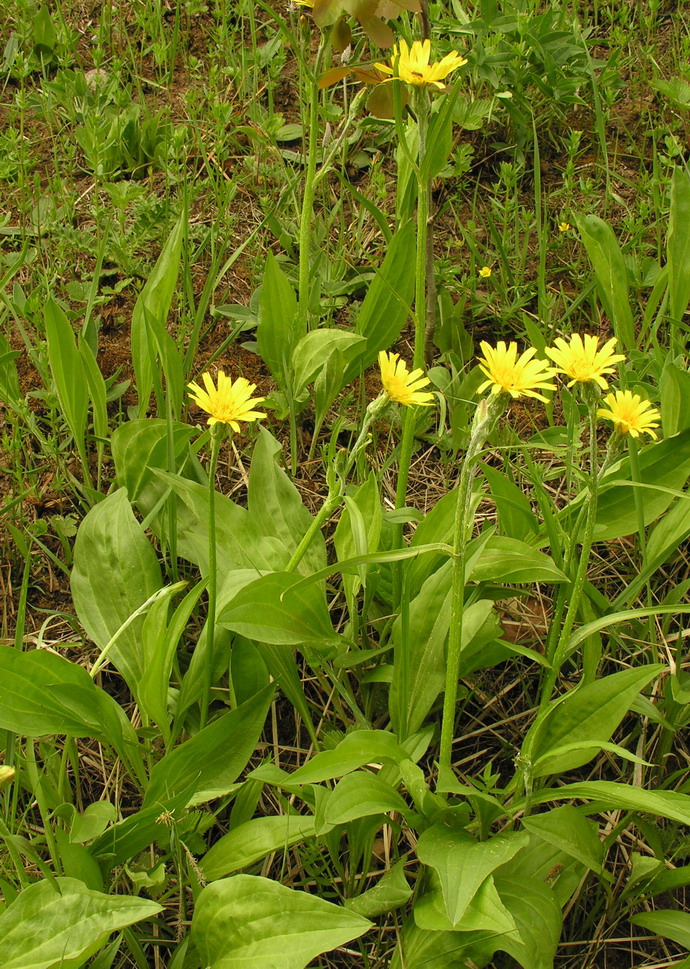
(c) 空猫 T. N, some rights reserved (CC BY-NC), uploaded by 空猫 T. N
iNaturalist· cc-by-nc
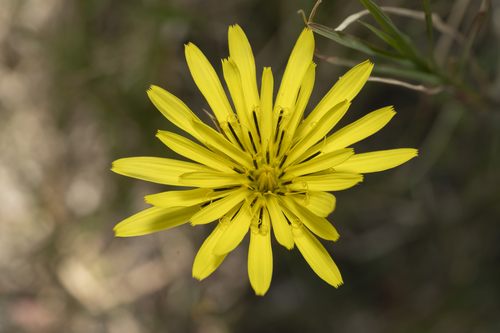
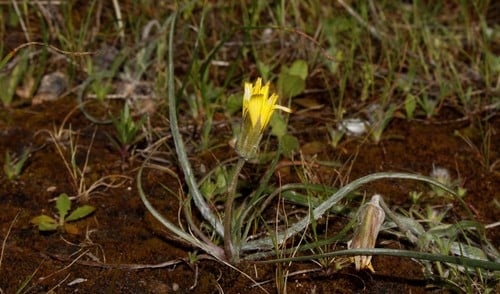
(c) Danila Popov, some rights reserved (CC BY-NC), uploaded by Danila Popov
iNaturalist· cc-by-sa
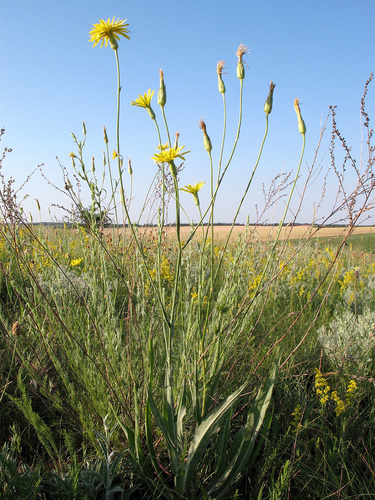
(c) Gus, some rights reserved (CC BY-SA), uploaded by Gus
Summary
Source: WikipediaPetasites japonicus, also known as butterbur, giant butterbur, great butterbur, fuki and sweet-coltsfoot, is an herbaceous perennial plant in the family Asteraceae. It is native to China, Japan, Korea and Sakhalin and introduced in Europe and North America. It was introduced to southern British Columbia in Canada by Japanese migrants. It is dioecious, with male and female flowers produced on separate individuals. Occasionally, morphologically hermaphroditic (but functionally sterile) flowers exist.
Description
A shrub. It has runners. It grows 1-1.2 m high. The leaves are large. They are kidney shaped. They are 1-1.2 m across. The flowers are greenish-white and in crowded heads. They appear before the leaves.
Edible Uses
The leaf stalks are cooked and used like rhubarb; they can grow up to 1.2 metres long. They may be boiled and seasoned, pickled and used in winter soups, preserved in miso, or boiled, dipped in cold water, peeled, and baked — giving a pleasant, fragrant taste. The flower buds have a slightly bitter yet agreeable flavour and are much prized in Japan; they can be eaten while still green with miso or boiled down in soy sauce. Young flowering stems are also eaten cooked. Nutritional composition per 100g of leaves (dry weight, 250 calories, 0% water): Protein 19.5g, Fat 2.8g, Carbohydrate 52.8g, Fibre 19.4g, Ash 25g; Calcium 1194mg, Phosphorus 556mg, Iron 2.8mg, Sodium 917mg, Potassium 12500mg; Vitamin A 278mg, Thiamine (B1) 0.56mg, Riboflavin (B2) 0.56mg, Niacin 5.56mg, Vitamin C 56mg.
Traditional Uses
The long leaf stalk is peeled and pickled in Japan. They are seasoned with salt or soy sauce. They are used in soups. The flower buds are used as a vegetable and condiment. They are eaten while still green. Caution: It contains chemicals that cause cancer. The flower stalks can affect the liver.
Medicinal Uses
The plant is antiasthmatic, antispasmodic, expectorant, and used as a poultice. A decoction is used in the treatment of chronic coughing, pulmonary deficiency, laboured or difficult breathing, asthma, constant sputum formation, and pulmonary tuberculosis.
Known Hazards
Like other Petasites species, fuki contains pyrrolizidine alkaloids (PAs) which have been associated with cumulative damage to the liver and tumor formation. It also contains the carcinogenic PA petasitenine. The concentration of hepatotoxic PAs can be reduced to a concentration below detection limits with a proper extraction process. Since many alkaloids are bitter, traditional methods of preparation may have evolved to remove them.
Distribution
A temperate plant. It grows near ponds and streams. In Sichuan. It suits hardiness zones 5-10.
Where It Grows
Asia, Australia, Britain, Canada, China*, Europe, Japan*, Korea, Russia,
Cultivation
Plants are grown by division. They can be grown from seed.
Propagation
Sow seed in a cold frame as soon as it is ripe or in early spring, covering only lightly and keeping the compost moist. Prick seedlings into individual pots when large enough to handle and plant out in summer. Division succeeds at almost any time of year. Larger divisions can go directly into permanent positions; smaller ones are better potted up and grown on in light shade in a cold frame until well established, then planted out in late spring or early summer.
Other Uses
The leaves of the subspecies P. japonicus giganteus are used as umbrellas by Japanese children, and the leaf stalks can serve as walking sticks. Plants can be grown as ground cover in damp, shady places, though they are too invasive for most gardens and should only be planted where they have plenty of room.
Other Information
It is a commercially cultivated vegetable.
Nutrition
| Part | Moisture | kJ | kcal | Protein | Vit A | Vit C | Iron | Zinc |
|---|---|---|---|---|---|---|---|---|
| Leaf Stalks raw | 94.5 | 59 | 14 | 0.4 | 5 | 32 | 0.1 | 0.2 |
| Leaves | 96.4 | 38 | 9 | 0.7 | — | — | 0.7 | — |
| Leaf Stalks boiled | 96.7 | 33 | 8 | 0.2 | 3 | 19 | 0.1 | 0.1 |
Synonyms
Also Known As
Fuhi, Fuki, Giant butterbur, Japanese butterbur, Korkoni, Meowi, Mowi
References (31)
- Award 34th Demidovian Prize 212. 1866
- Bremness, L., 1994, Herbs. Collins Eyewitness Handbooks. Harper Collins. p 201
- Crawford, M., 2012, How to grow Perennial Vegetables. Green Books. p 109
- Chen, B. & Qiu, Z., Consumer's Attitudes towards Edible Wild Plants, Ishikawa Prefecture, Japan. p 24 www.hindawi.com/journals/ijfr/aip/872413.pdf
- Cundall, P., (ed.), 2004, Gardening Australia: flora: the gardener's bible. ABC Books. p 1015
Show all 31 references Hide references
- Facciola, S., 1998, Cornucopia 2: a Source Book of Edible Plants. Kampong Publications, p 41
- Food Composition Tables for use in East Asia FAO http://www.fao.org/infoods/directory No. 422
- Fujime, Y., 2012, Introduction to Some Indigenous Vegetables in Japan. HortScience Vol. 47(7) July 2012. p 831
- Hedrick, U.P., 1919, (Ed.), Sturtevant's edible plants of the world. p 472
- Hibbert, M., 2002, The Aussie Plant Finder 2002, Florilegium. p 229
- Hirono, I., 1993, Edible Plants Containing Naturally Occurring Carcinogens in Japan. Jpn. J. Cancer Res. 84, 997-1006
- Hu, Shiu-ying, 2005, Food Plants of China. The Chinese University Press. p 741
- Hwang, H., et al, 2013, A Study on the Flora of 15 Islands in the Western Sea of Jeollanamdo Province, Korea. Journal of Asia-Pacific Biodiversity Vol. 6, No. 2 281-310
- Jackes, D. A., Edible Forest Gardens
- Kays, S. J., and Dias, J. C. S., 1995, Common Names of Commercially Cultivated Vegetables of the World in 15 languages. Economic Botany, Vol. 49, No. 2, pp. 115-152
- Kuhnlein, H. V., et al, 2009, Indigenous Peoples' food systems. FAO Rome p 148
- Larkcom, J., 1991, Oriental Vegetables, John Murray, London, p 131
- Levy-Yamamori, R., & Taaffe, G., 2004, Garden Plants of Japan. Timber Press. p 346
- Lim, T. K., Edible Medicinal and Non-Medicinal Plants Volume 7 Flowers
- Martin, F.W. & Ruberte, R.M., 1979, Edible Leaves of the Tropics. Antillian College Press, Mayaguez, Puerto Rico. p 185
- Pemberton, R. W. & Lee, N. S., 1996, Wild Food Plants in South Korea: Market Presence, New Crops, and Exports to the United States. Economic Botany, Vol. 50, No. 1, pp. 57-70
- Romanowski, N., 2007, Edible Water Gardens. Hyland House. p 77
- Schmid, W. G., 2002, An Encyclopedia of Shade Perennials. Timber Press p 257
- Slocum, P.D. & Robinson, P., 1999, Water Gardening. Water Lilies and Lotuses. Timber Press. p 129
- Solomon, C., 2001, Encyclopedia of Asian Food. New Holland. p 103
- Song, M., et al, 2013, Traditional knowledge of wild edible plants in Jeju Island, Korea. Indian Journal of Traditional Knowledge. 12(2) pp 177-194
- Turner, N. J. et al, 2011, Edible and Tended Wild Plants, Traditional Ecological Knowledge and Agroecology. Critical Reviews in Plant Sciences, 30:198-225
- USDA, ARS, National Genetic Resources Program. Germplasm Resources Information Network - (GRIN). [Online Database] National Germplasm Resources Laboratory, Beltsville, Maryland. Available: www.ars-grin.gov/cgi-bin/npgs/html/econ.pl (10 April 2000)
- Wiersema, J. H. & Leon, B., 2013, World Economic Plants. A Standard Reference CRC Press. 2nd Ed. p 511
- World Checklist of Useful Plant Species 2020. Royal Botanic Gardens, Kew
- Zeven, A. C. & de West, J. M. J., 1982, Dictionary of cultivated plants and their regions of diversity. Wageningen. p 34