Carlina acaulis
L.
Stemless Carline Thistle, Silver thistle
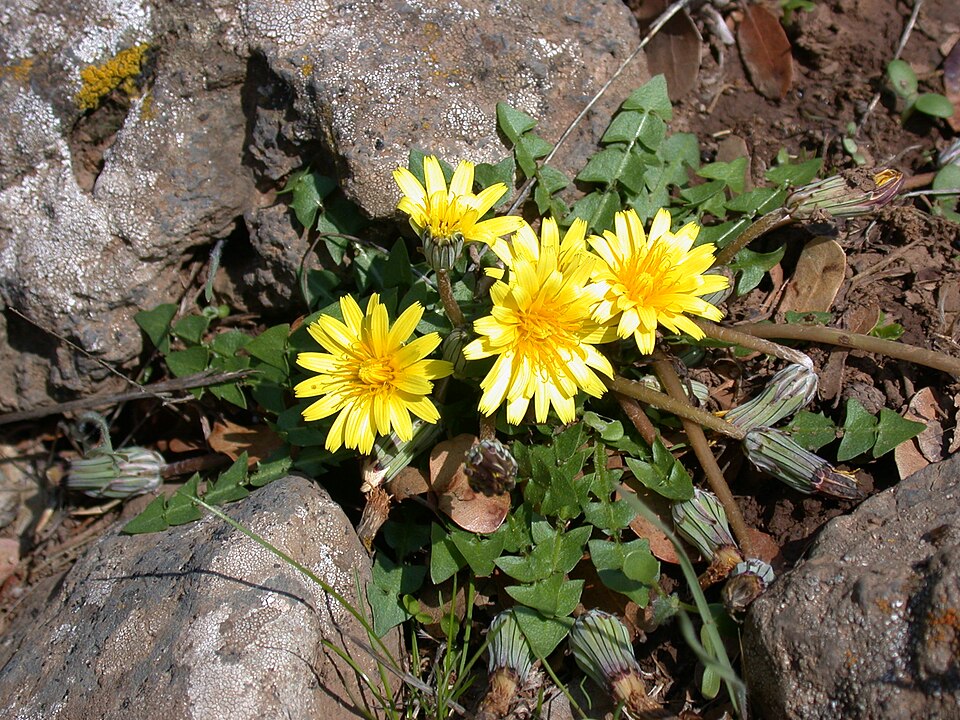
iNaturalist· cc-by-sa
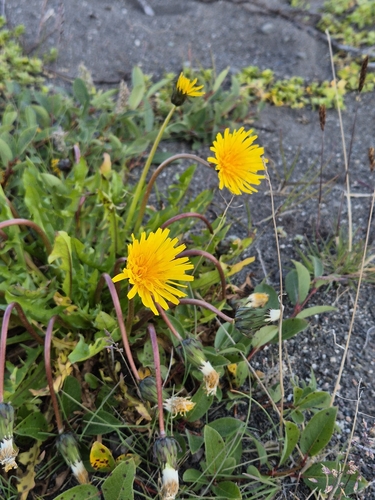
(c) Udo Schmidt, some rights reserved (CC BY-SA)
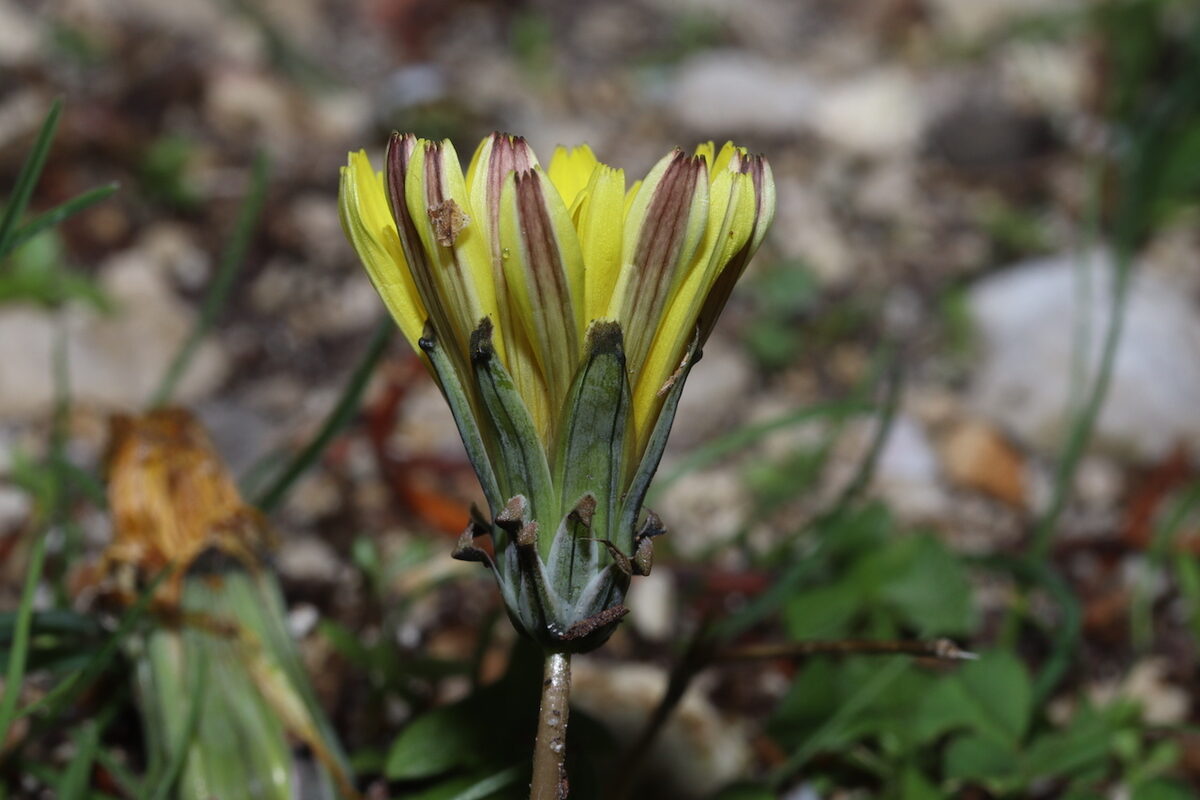
iNaturalist· cc-by-sa
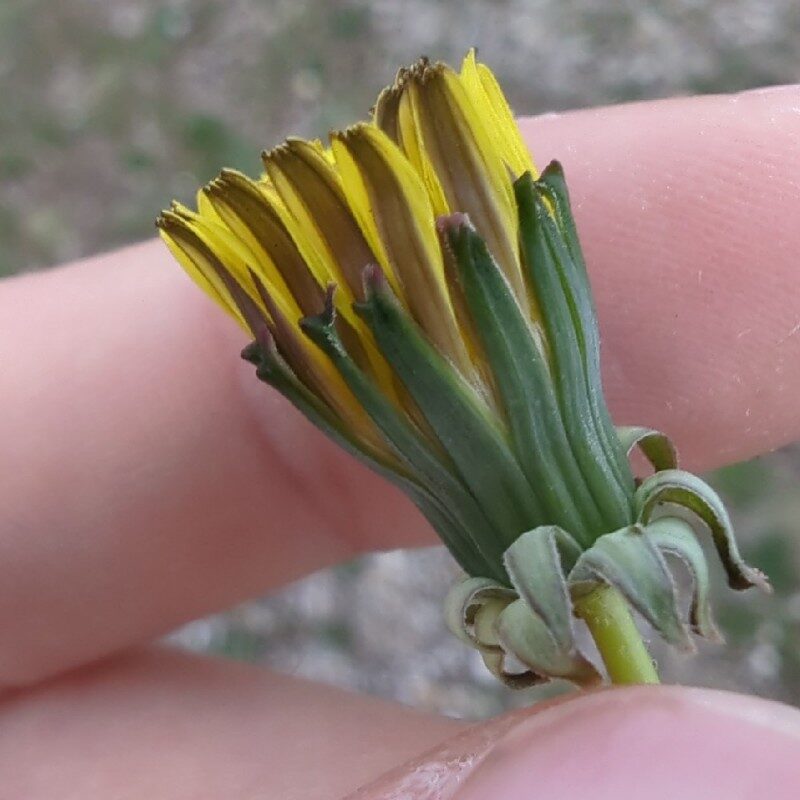
(c) MurielBendel, some rights reserved (CC BY-SA)
iNaturalist· cc-by-sa
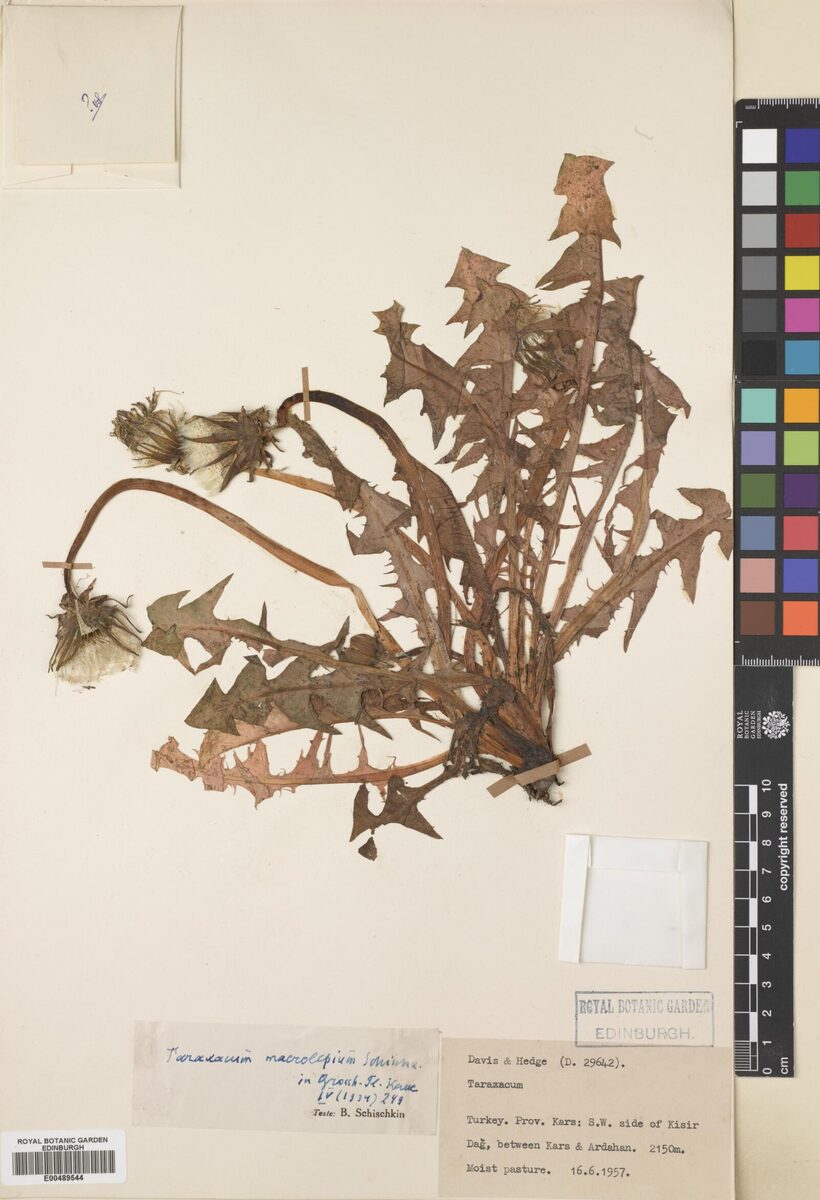
(c) MurielBendel, some rights reserved (CC BY-SA)
Summary
Source: WikipediaCarlina acaulis, the stemless carline thistle, dwarf carline thistle, or silver thistle, is a perennial dicotyledonous flowering plant in the family Asteraceae, native to alpine regions of central and southern Europe. The specific name acaulis (Neo-Latin for 'without a stem', from Latin caulis 'stem' or 'stalk') and common names are descriptive of the manner in which its flower head rests directly upon a basal leaf rosette. The plant is named after Charlemagne who searched for a treatment against the plague. He dreamed of an angel who told him to shoot an arrow in the sky and see on what plant the arrow would hit. This plant would bring relieve to the plague. The plant the arrow hit was the Carlina acaulis, the roots of the plant were distributed among the population following which the plague diminished. The spiny, pinnatilobate leaves grow in a basal rosette approximately 20 cm in diameter. The flowers are produced in a large (up to 10 cm) flowerhead of silvery-white ray florets around a central disc. The disc florets are tubular and yellow-brown in colour. To protect the pollen, the head closes in wet weather, a phenomenon folklore holds to presage forthcoming rain. The flowering time is between August and September. It prefers chalky soils and dry pastures in environments from valleys up to an altitude of 2,800 m. Subspecies There are two subspecies: Carlina acaulis subsp. acaulis – inflorescences sessile Carlina acaulis subsp. simplex – inflorescences with a short stem
Description
A herb that has a 2 year life-cycle or can keep growing for a few years. It is a thistle. It grows 10 cm high and spreads 1 m wide. The stem is erect and unbranched. The leaves are in a ring at the base. They are deeply lobed along the stalk and are spiny. The flowers are star shaped and silvery white. They are 13 cm across. They occur singly at the top of the plant.
Edible Uses
The flowering head is eaten cooked and used as a substitute for globe artichoke, though the heads are considerably smaller and even more fiddly to prepare. The fleshy centre of the plant is also edible — this may refer to the peeled stem. The root is edible, though no further details are given.
Traditional Uses
The flower receptacle is boiled and eaten like artichoke. They are used in salads, boiled or in jam. The leaves are used to curdle milk.
This uses section is brief — help expand it
Medicinal Uses
Stemless carline thistle is seldom used in modern herbalism, though it was once highly regarded as an aphrodisiac. It is occasionally used today for spasms of the digestive tract, gall bladder and liver disorders, dropsy, and urine retention. The root has been used to treat skin complaints such as acne and eczema. A decoction of the root can be applied externally to cleanse wounds or used as an antiseptic gargle. The root is antibiotic, antispasmodic, carminative, diaphoretic, digestive, and mildly diuretic, and is febrifuge and purgative in large doses — caution is warranted, as large doses are also emetic. The root is harvested in autumn and dried for later use.
Distribution
It is a temperate plant. It grows in poor pastures on limestone soils. It is often in stony and rocky places. It is resistant to drought and frost.
Where It Grows
Australia, Austria, Balkans, Bosnia, Britain, Czech Republic, Europe*, Italy, Germany, Hungary, Macedonia, Mediterranean, Poland, Slovakia, Slovenia, Spain, Switzerland,
Cultivation
Succeeds in a sunny position in ordinary garden soil. Prefers a neutral to alkaline soil. Prefers a poor soil. Established plants are drought tolerant. Plants are hardy to about -20°c. The stemless carline thistle is a protected plant in the wild because of its rarity. This species resents root disturbance, it should be planted into its final position as soon as possible. Plants are usually short-lived or monocarpic. The plant is popular in dried flower arranging, the dried heads keeping their appearance indefinitely.
Propagation
Surface sow seed in a cold frame in spring. Seed typically germinates in 4–8 weeks at 15°C. Prick seedlings out into individual pots as soon as they are large enough to handle, then plant out into permanent positions in summer.
Other Uses
The dried flowers are sensitive to atmospheric humidity and can be used as hygrometers. Flowers on the living plant close at the approach of rain.
Notes
There are about 20-28 Carlina species.
Also Known As
Babakalacs, Babakonty, Cardo di S. Pellegrino, Chardousso, Kontybaba, Navadna bodeča neža, Nine, Pupava bezlodyzna, Scarzoni, Vilino sito
References (21)
- Abbet, C., et al, 2014, Ethnobotanical survey on wild alpine food plants in Lower and Central Valais (Switzerland). Journal of Ethnopharmacology 151 (2014) 624–634
- Bircher, A. G. & Bircher, W. H., 2000, Encyclopedia of Fruit Trees and Edible Flowering Plants in Egypt and the Subtropics. AUC Press. p 84
- Bodkin, F., 1991, Encyclopedia Botanica. Cornstalk publishing, p 215
- Bremness, L., 1994, Herbs. Collins Eyewitness Handbooks. Harper Collins. p 158
- Cerne, M., 1992, Wild Plants from Slovenia used as Vegetables. Acta Horticulturae 318
Show all 21 references Hide references
- Christanell, A., et al, 2010, The Cultural Significance of Wild Gathered Plant Species in Kartitsch (Eastern Tyrol, Austria) and the Influence of Socioeconomic Changes on Local Gathering Practices. Chapter 3 in Ethnobotany in the New Europe. Berghahn Books.
- Denes, A., et al, 2012, Wild plants used for food by Hungarian ethnic groups living in the Carpathian Basin. Acta Societatis Botanicorum Poloniae 81 (4): 381-396
- Facciola, S., 1998, Cornucopia 2: a Source Book of Edible Plants. Kampong Publications, p 35
- Łukasz Łuczaj and Wojciech M Szymański, 2007, Wild vascular plants gathered for consumption in the Polish countryside: a review. J Ethnobiol Ethnomedicine. 3: 17
- Luczaj, L., 2012, Ethnobotanical review of wild edible plants of Slovakia. Acta Societatis Botanicorum Poloniae 81(4):245-255
- Lukasz, L., 2016, Wild Edible Plants Traditionally Used in Poland.
- Paoletti, M.G., Dreon, A.L., and Lorenzoni, G.G., 1995, Pistic, Traditional Food from Western Friuli, NE Italy. Economic Botany 49(1) pp 26-30
- Pieroni, A., 1999, Gathered wild food plants in the Upper Valley of the Serchio River (Garfagnana), Central Italy. Economic Botany 53(3) pp 327-341
- Pieroni, A., et al, 2005, Food for two seasons: Culinary uses of non-cultivated local vegetables and mushrooms in a south Italian village. International Journal of Food Sciences and Nutrition, 56(4): 245-272
- Pieroni, A.,& Giusti, M. E., 2009, Alpine Ethnobotany in Italy: Journal of Ethnobiology and Ethnomedicine. 5:32
- Plants for a Future database, The Field, Penpol, Lostwithiel, Cornwall, PL22 0NG, UK. http://www.scs.leeds.ac.uk/pfaf/
- Redzic, S. J., 2006, Wild Edible Plants and their Traditional Use in the Human Nutrition in Bosnia-Herzegovina. Ecology of Food and Nutrition, 45:189-232
- Redzic, S., 2010, Use of Wild and Semi-Wild Edible Plants in Nutrition and Survival of People in 1430 Days of Siege of Sarajevo during the War in Bosnia and Herzegovina (1992–1995). Coll. Antropol 34 (2010) 2:551-570
- Simkova, K. et al, 2014, Ethnobotanical review of wild edible plants used in the Czech Republic. Journal of Applied Botany and Food Quality 88, 49-67
- Sp. pl. 2:828. 1753
- Turner, N. J. et al, 2011, Edible and Tended Wild Plants, Traditional Ecological Knowledge and Agroecology. Critical Reviews in Plant Sciences, 30:198-225