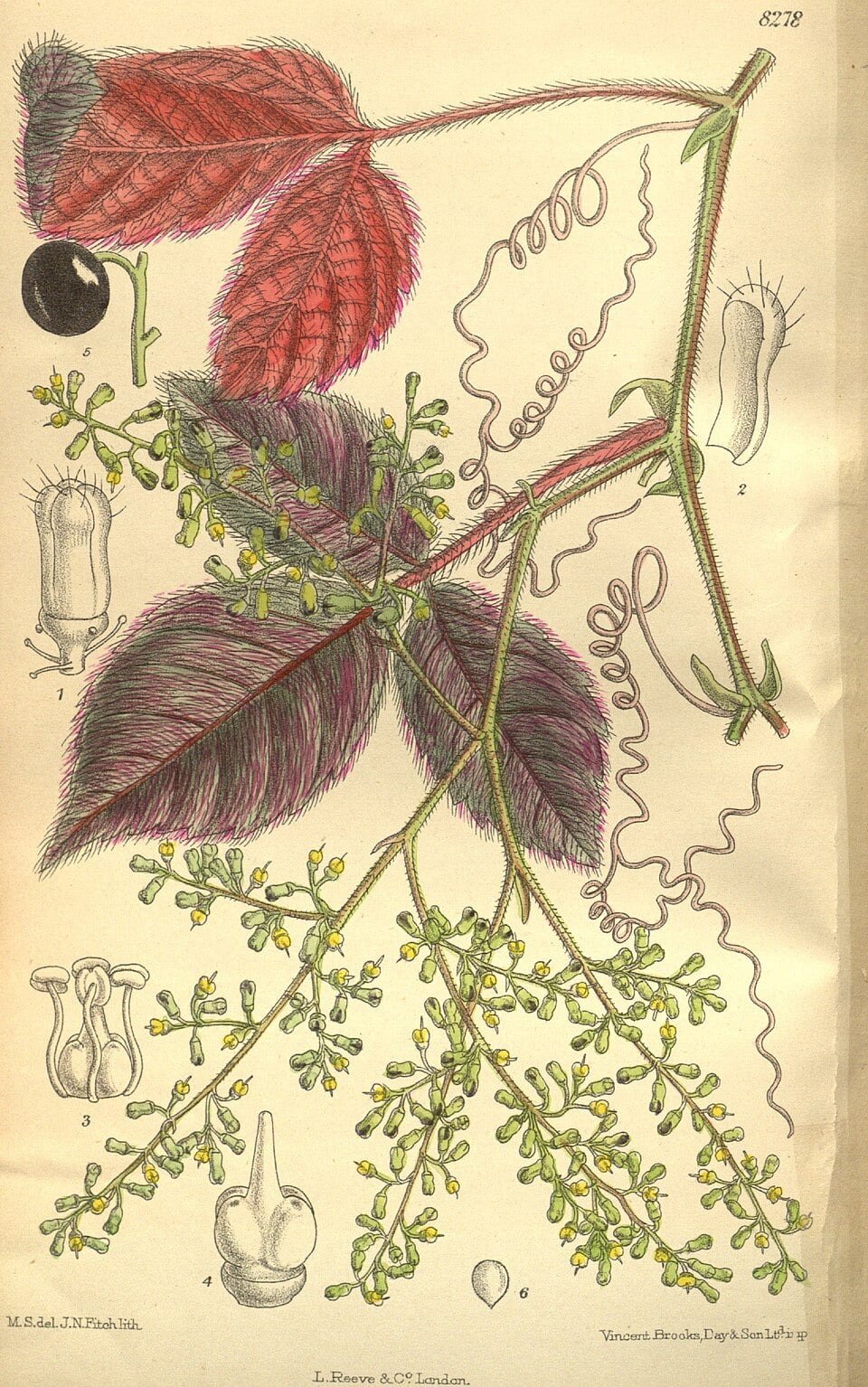
Ampelocissus arachnoidea
(Hassk.) Planchon
Oyod air
iNaturalist· cc-by
(c) Ian Cowie, some rights reserved (CC BY), uploaded by Ian Cowie
gbif· cc0
President and Fellows of Harvard College
Description
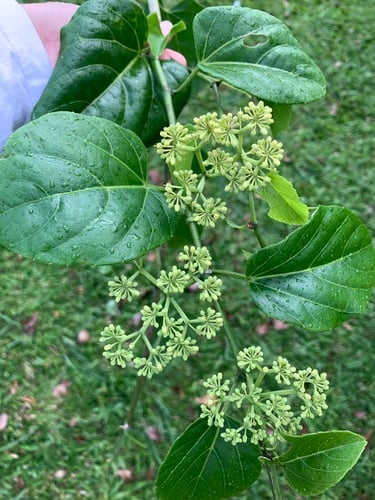
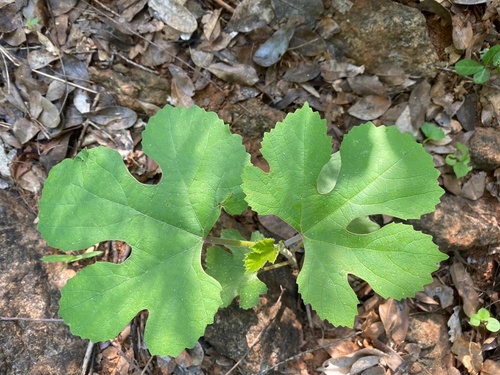
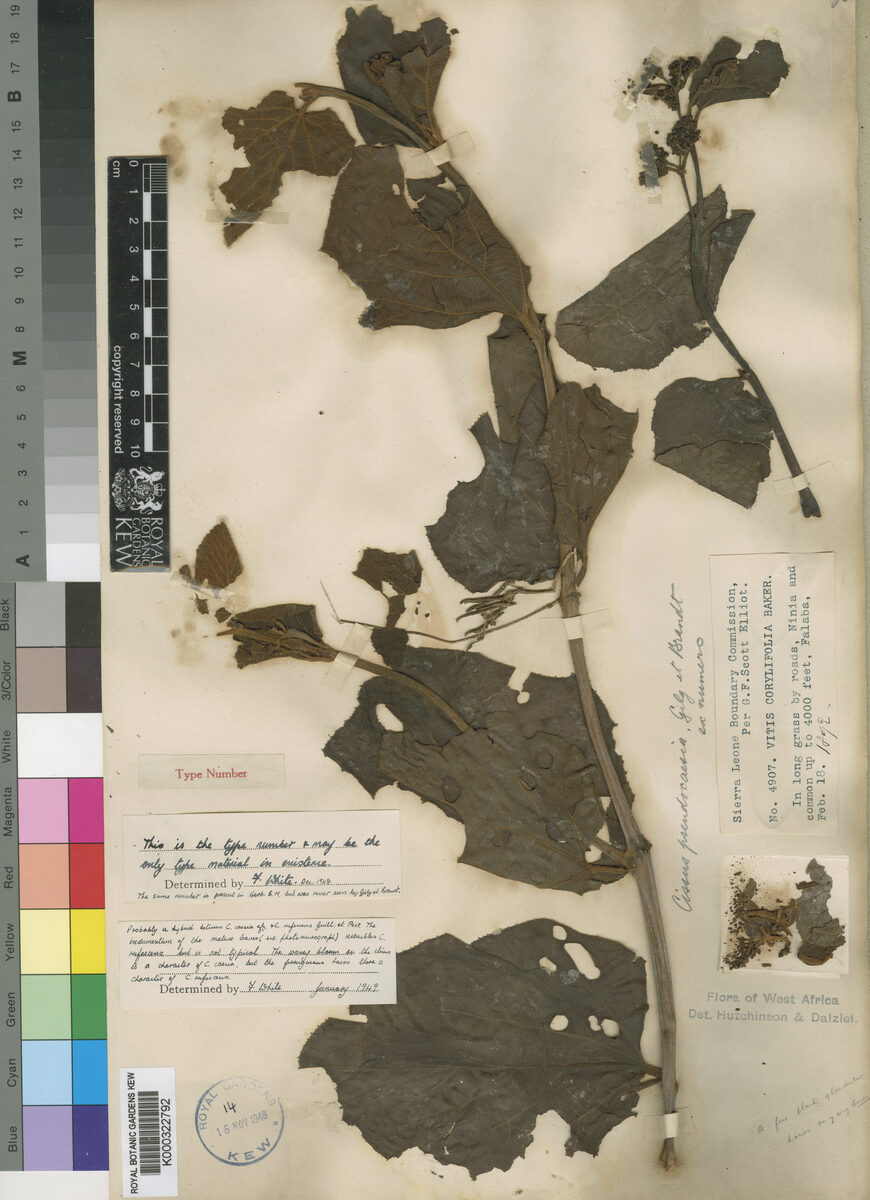
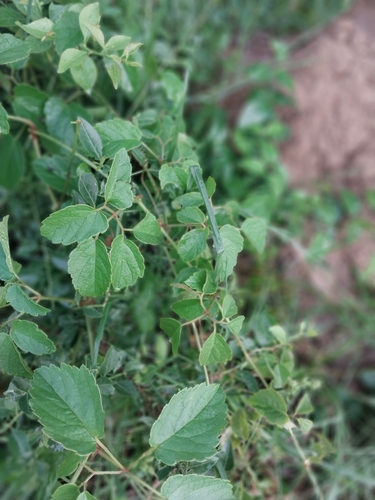
A low lying shrub or climber and fairly woody. The leaves are simple and have 3-5 lobes. They are densely hairy underneath. The fruit is a round berry. It is 2-3 cm across. It is red.
Edible Uses
The fruit are edible and can be used as pickles or for making vinegar, though they contain stinging crystals.
Traditional Uses
The fruit are edible but have stinging crystals. They can be used as pickles or for making vinegar.
This uses section is brief — help expand it
Known Hazards
The fruit contain stinging crystals.
Distribution
A tropical plant. It grows in light forest.
Where It Grows
Asia, Cambodia, Indochina, Indonesia, Laos, SE Asia, Vietnam,
Notes
There are about 95 Ampelocissus species.
Synonyms
Also Known As
Bantengan, Gunggurutu
References (5)
- Bircher, A. G. & Bircher, W. H., 2000, Encyclopedia of Fruit Trees and Edible Flowering Plants in Egypt and the Subtropics. AUC Press. p 24
- Cengel, D. J. & Dany, C., (Eds), 2016, Integrating Forest Biodiversity Resource Management and Sustainable Community Livelihood Development in the Preah Vihear Protected Forest. International Tropical Timber Organization p 123
- Phon, P., 2000, Plants used in Cambodia. © Pauline Dy Phon, Phnom Penh, Cambodia. p 33
- Verheij, E. W. M. and Coronel, R.E., (Eds.), 1991, Plant Resources of South-East Asia. PROSEA No 2. Edible fruits and nuts. Pudoc Wageningen. p 315
- World Checklist of Useful Plant Species 2020. Royal Botanic Gardens, Kew