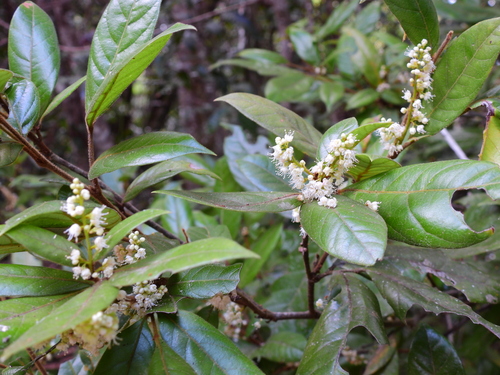
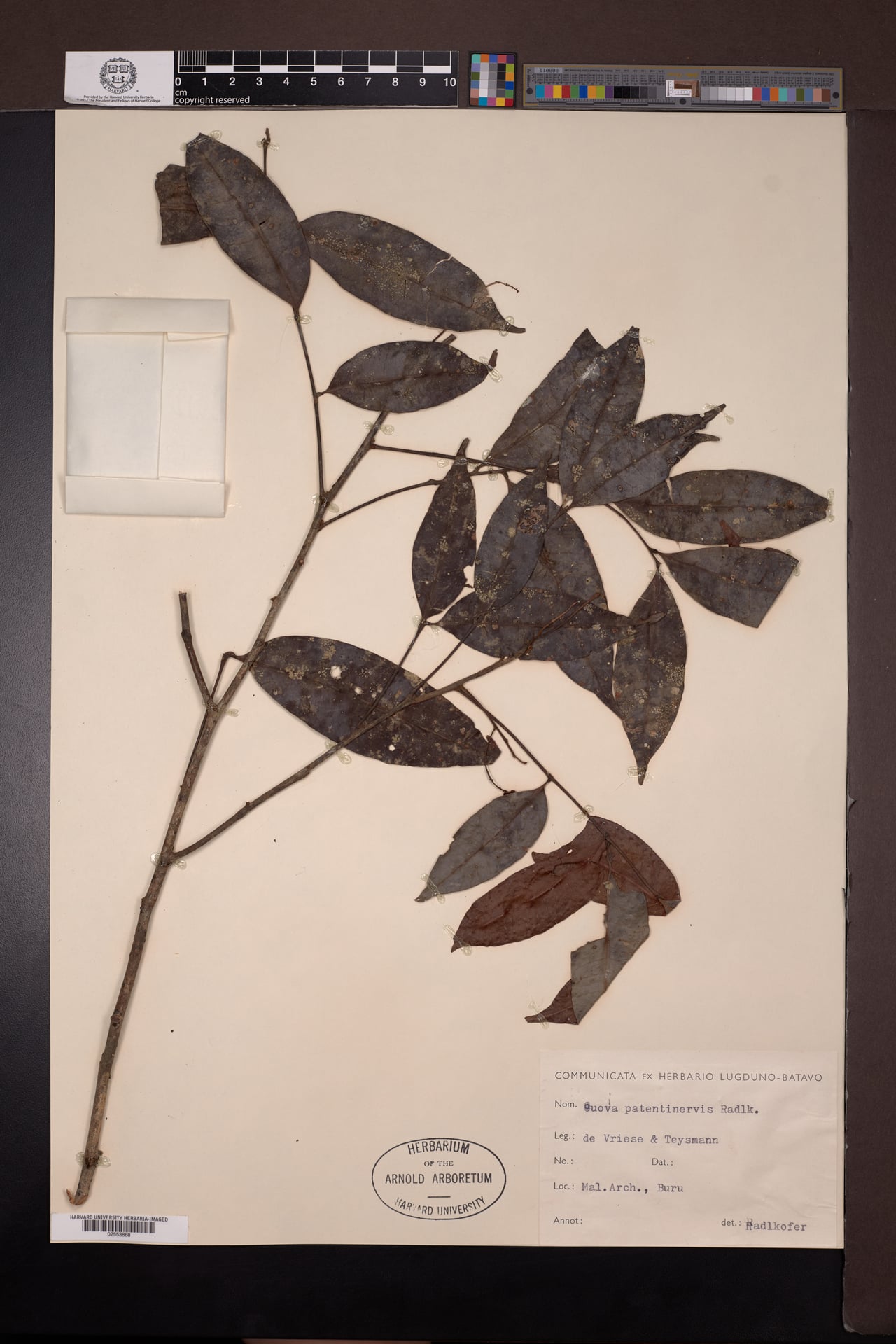
Pancovia laurentii
(De Wild.) Gilg ex De Wild.
gbif· cc-by-sa
Murielle Simo-Droissart
gbif· cc-by-sa
Murielle Simo-Droissart
gbif· cc-by-sa
Saint Fédriche NDZAI
Description
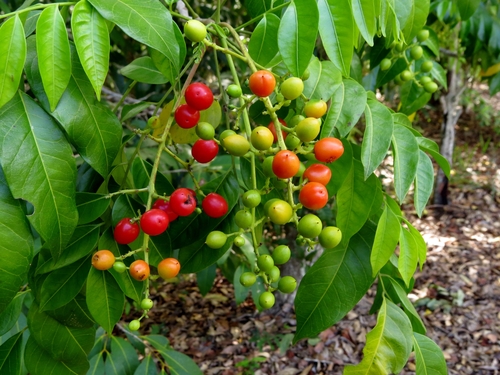
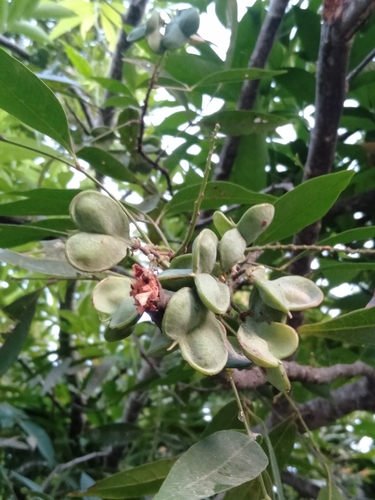
A tree. It grows to 20 m high. The trunk can be 45 cm across. The leaves are grouped in rings at the end of the branches. The leaf stalks are 10-18 cm long. The leaflets are almost opposite and 12-24 cm long by 3-5 cm wide. The flowering shoots on the stems are 30 cm long. The fruit is a 3 sided winged berry. It is 2.5 cm long by 3.5 cm wide. The fruit pulp is orange and there are 3 brown seeds. The fruit grow in heavy drooping bunches from the trunk.
Edible Uses
The whole fruit including seeds is eaten raw. The fruit pulp, aril, and seeds are all edible.
Traditional Uses
The whole fruit including seeds is eaten raw.
This uses section is brief — help expand it
Distribution
A tropical plant. It grows in primary forest.
Where It Grows
Africa, Cameroon, Central Africa, Central African Republic, CAR, Congo DR, Congo R, Gabon,
Production
Fruiting is seasonal. In Central African Republic flowers have been recorded in February and March.
Other Information
The fruit are popular.
Notes
There are about 10 Pancovia species. They are tropical and subtropical.
Also Known As
Botende, Esel, Mutendu, Mutindi, Nkila nkumbi, Ntende, Sesemu
References (7)
- Jardin, C., 1970, List of Foods Used In Africa, FAO Nutrition Information Document Series No 2.p 152
- Latham, P & Mbuta, A., 2017, Useful Plants of Central Province, Democratic Republic of Congo. Volume 2. Salvation Army p 80
- Nkeoua, G. & Boundzanga, G. C., 1999, Donnees sur les produits forestieres non ligneux en Republique du Congo. FAO. p 33
- Tanno, T., 1981, Plant Utilization of the Mbuti Pygmies: With Special reference to their Material Culture and Use of Wild Vegetable Foods. Kyoto University Research. African Study Monographs 1:1-53
- Termote, C., et al, 2011, Eating from the wild: Turumbu, Mbole and Bali traditional knowledge of non-cultivated edible plants, District Tshopo, DRCongo, Gen Resourc Crop Evol. 58:585-618
Show all 7 references Hide references
- Vivien, J., & Faure, J.J., 1996, Fruitiers Sauvages d'Afrique. Especes du Cameroun. CTA p 309
- World Checklist of Useful Plant Species 2020. Royal Botanic Gardens, Kew