Pancovia harmsiana
Gilg.
gbif· cc-by
Meise Botanic Garden
gbif· cc-by
Meise Botanic Garden
gbif· cc-by
Meise Botanic Garden
Description
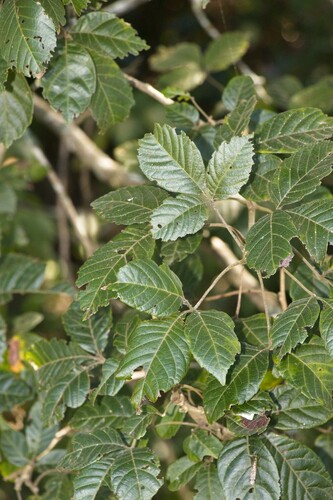
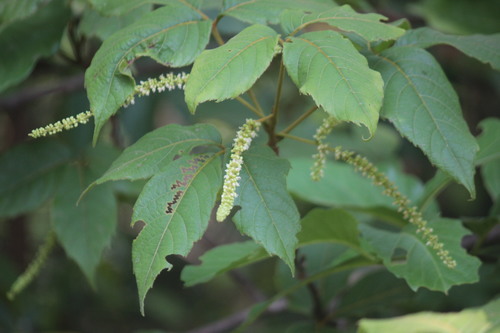
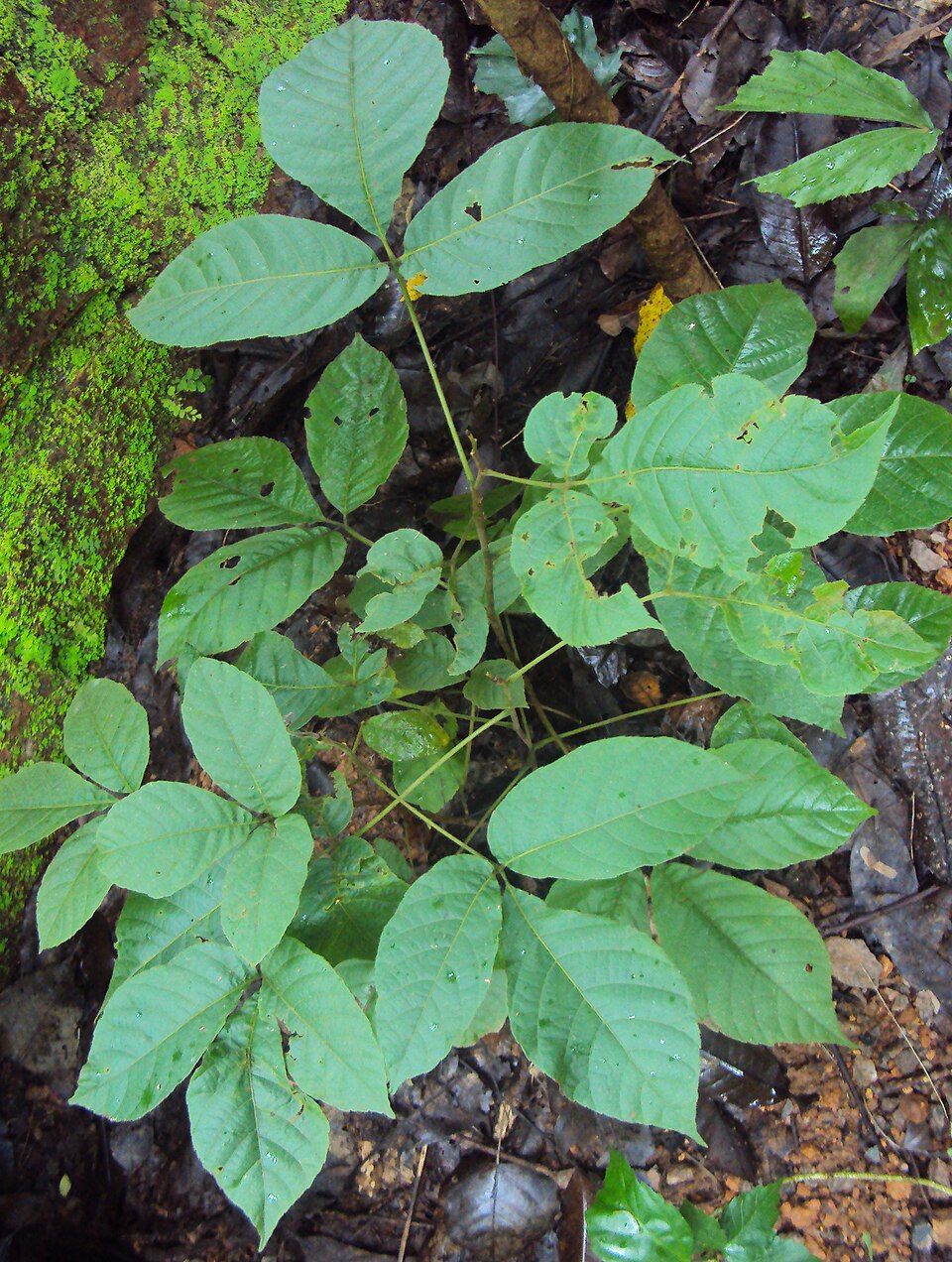
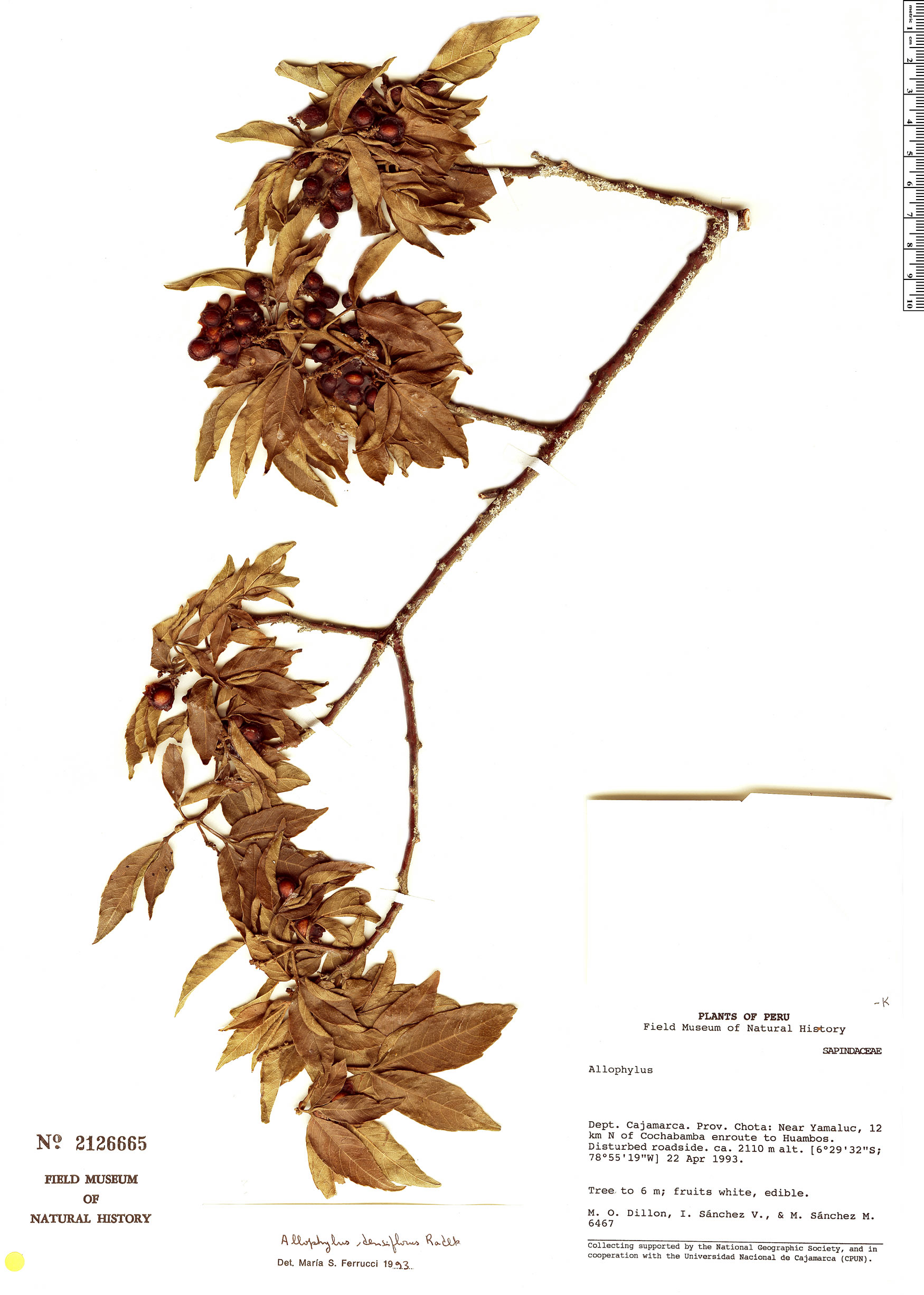
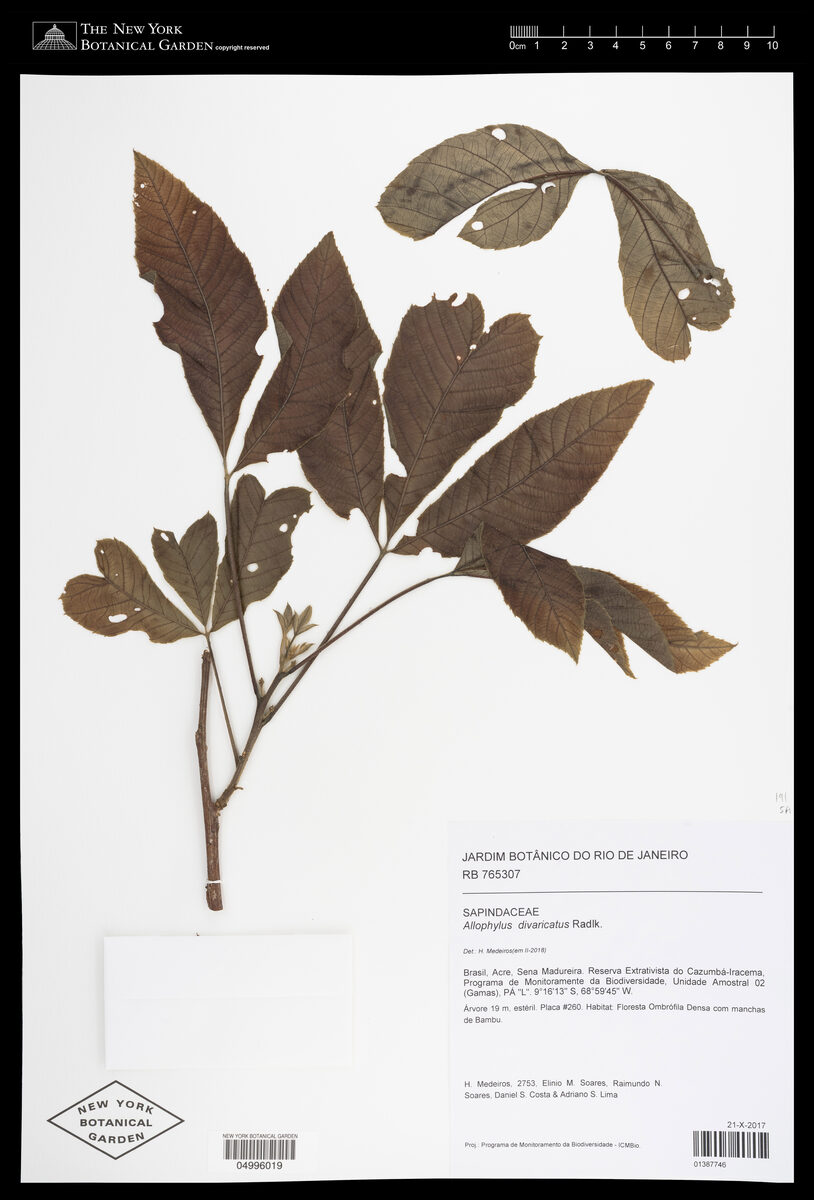
A small tree. It grows 20 m tall. The leaves are alternate and they have leaflets along the stalk. The leaflets are oblong to sword shaped and 15 cm long by 3-4 cm wide.
Edible Uses
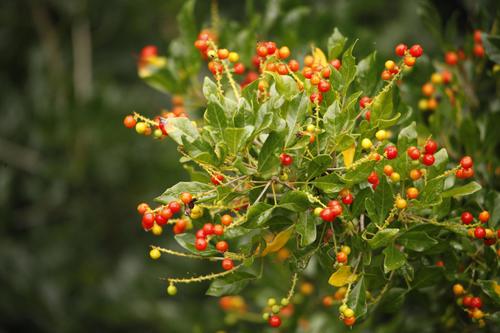
The whole fruit and seeds are eaten raw.
Traditional Uses
The whole fruit and seeds are eaten raw.
This uses section is brief — help expand it
Distribution
It is a tropical plant. It grows in the forest.
Where It Grows
Africa, Cameroon, Central Africa, Central African Republic, CAR, Congo DR, Gabon,
Production
Fruiting is seasonal. In Central African Republic flowers have been recorded in December and January. In Congo fruit are available February to April.
Also Known As
Alelau, Bundinga, Engango, Itende, Mangiamangia, Tama, Undilinga
References (5)
- Liengola, I. B., 2001, A contribution to the study of native edible plants by the Turumbu and Lokele of the Tshopo District, Province Orientale, D. R. Congo. Syst. Geogr. Pl. 71:687-698
- Tanno, T., 1981, Plant Utilization of the Mbuti Pygmies: With Special reference to their Material Culture and Use of Wild Vegetable Foods. Kyoto University Research. African Study Monographs 1:1-53
- Terashima, H., et al, 1992, Ethnobotany of the Lega in the Tropical Rainforest of Eastern Zaire (Congo): Part Two, Zone de Walikale, African Study Monographs, Suppl. 19:1-60
- Terashima, H., & Ichikawa, M., 2003, A comparative ethnobotany of the Mbuti and Efe hunter-gatherers in the Ituri Forest, Democratic Republic of Congo. African Study Monographs, 24 (1, 2): 1-168, March 2003
- Termote, C., et al, 2011, Eating from the wild: Turumbu, Mbole and Bali traditional knowledge of non-cultivated edible plants, District Tshopo, DRCongo, Gen Resourc Crop Evol. 58:585-618