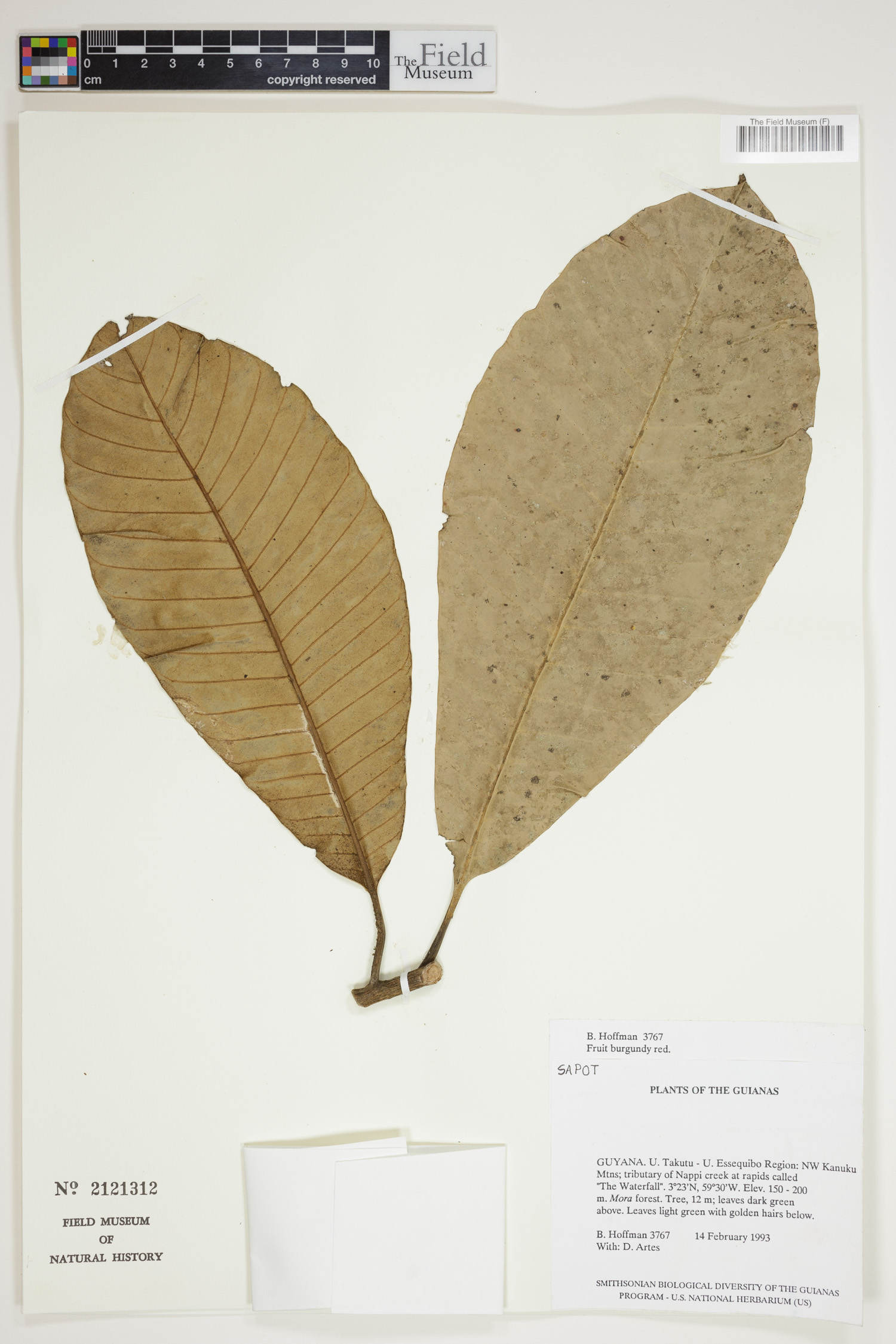
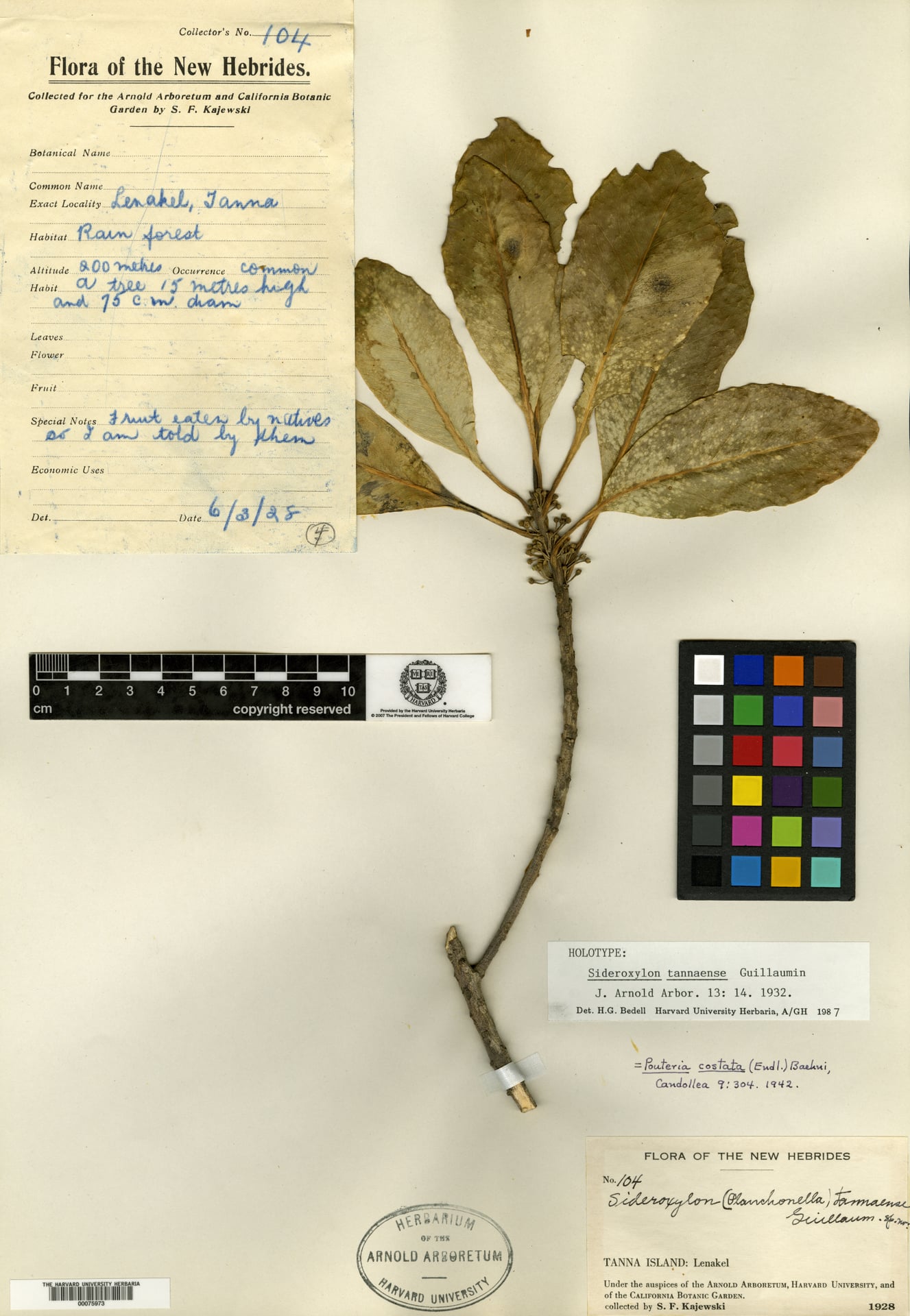
Palaquium lanceolatum
Blanco
Palak-palak
gbif· cc0
Botanical Research Institute of Texas
gbif· cc0
Botanical Research Institute of Texas
gbif· cc0
Botanical Research Institute of Texas
Description
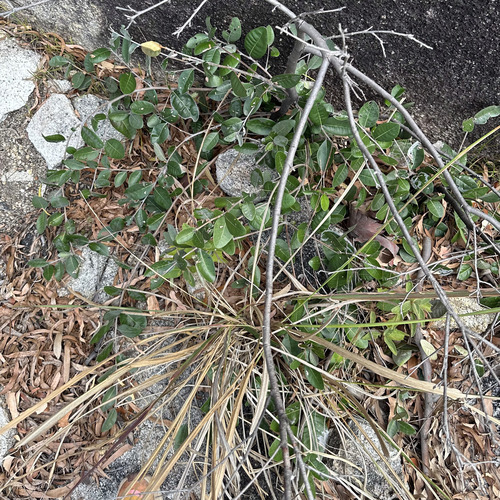
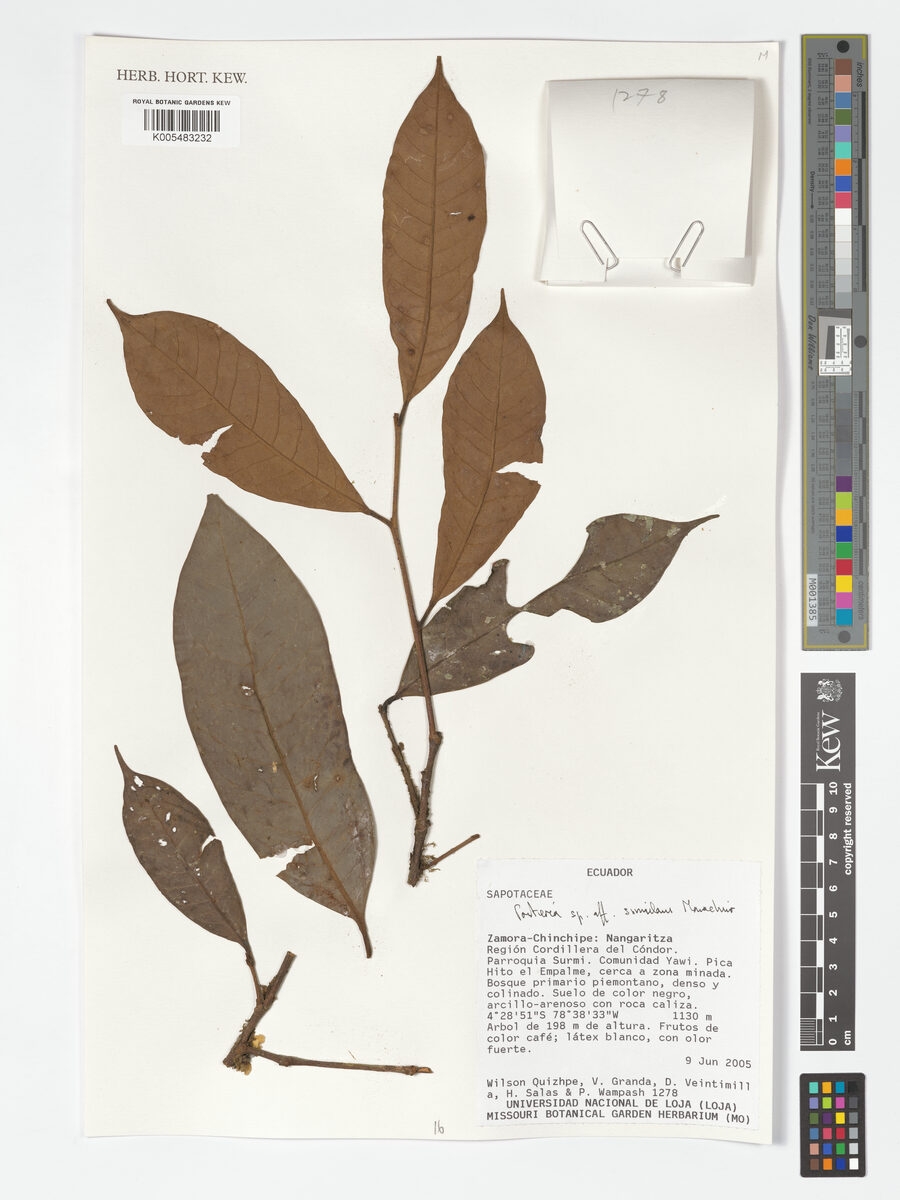
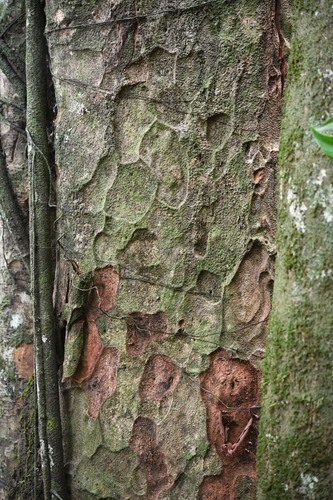
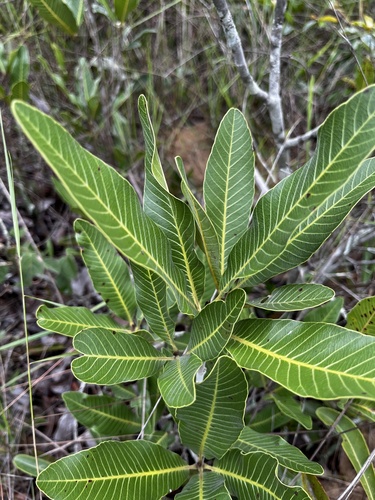
A medium sized tree. The branches are roughened and without hairs except the tips. The leaves are clustered at the ends of branches. They are oblong. The flowers are crowded below the leaves and are short, rust coloured and covered with soft hairs which are yellowish white. The berry is 2 cm long, oval and greenish with a slender point.
Edible Uses
Fruit - raw. The fruit is a greenish fusiform or ellipsoid berry, 25 - 35mm long and 10 - 20mm wide, containing a single seed.
Traditional Uses
The fleshy part of the fruit is eaten raw.
This uses section is brief — help expand it
Distribution
A tropical plant. They are relatively rare in the forests of the Pacific coast side from Cagayan to Camarines in the Philippines.
Where It Grows
Asia, Pacific, Philippines, SE Asia,
References (4)
- Monsalud, M.R., Tongacan, A.L., Lopez, F.R., & Lagrimas, M.Q., 1966, Edible Wild Plants in Philippine Forests. Philippine Journal of Science. p 545
- Moon, H. K., et al, 2010, Tropical Tree of Indonesia. Korea Forest Research Institute. p 257
- PROSEA No. 2
- Soerianegara, I. & Lemmens, R. H. M. L., (Eds.) 1993, Timber trees: Major commercial timbers. Plant Resources of South-East Asia. Wageningen. No. 5(1). p 304