Oxyspora paniculata
(D. Don) DC.
Long-tang, Angerig
iNaturalist· cc-by-nc
(c) Dr Namgyal T Sherpa, some rights reserved (CC BY-NC)
iNaturalist· cc-by-nc
(c) Isabelle Bolon, some rights reserved (CC BY-NC)
iNaturalist· cc-by-nc
(c) Asmita Ojha, some rights reserved (CC BY-NC)
Description
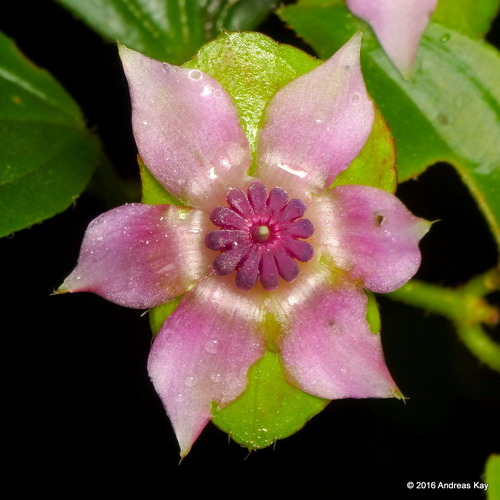
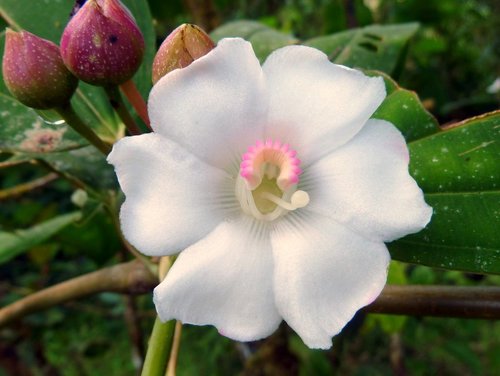
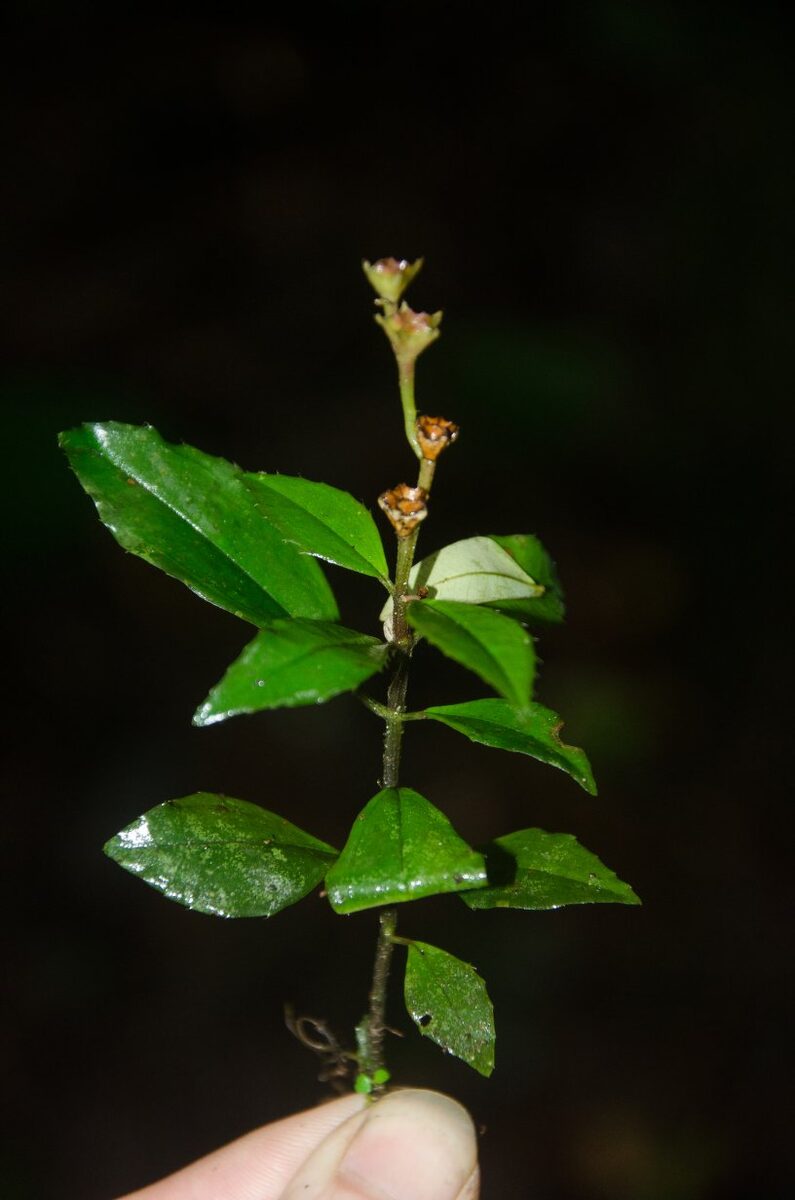
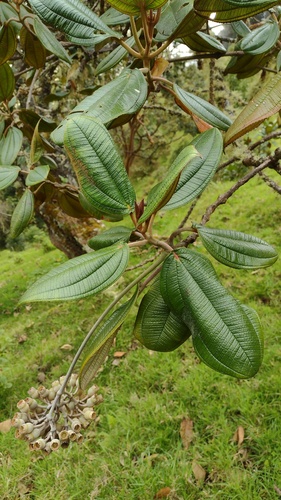
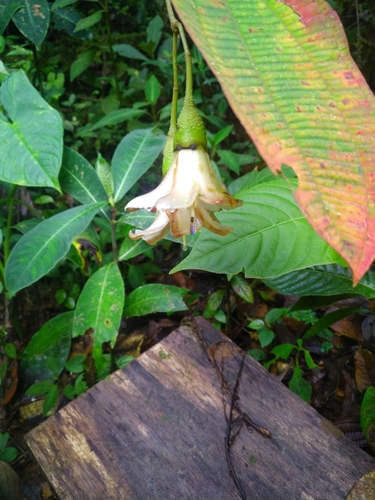
A shrub. It grows about 3 m high. It has spreading branches. The branches are covered with star shaped hairs. The leaves have stalks. The leaves are 15-25 cm long. The leaves are oval and with shallow rounded teeth. Leaves are round at the base. The flowers are small and deep pink. The fruit is a capsule. It is oval but cut off at the tip.
Edible Uses
The ripe fruit are eaten raw, and the young stem is eaten after removing the bark.
Traditional Uses
The ripe fruit are eaten raw. The young stem is eaten after removing the bark.
This uses section is brief — help expand it
Distribution
It is a subtropical plant. In Nepal they grow between 1300-2000 m altitude. In Northeastern India it grows from 800-2,200 m above sea level. They are common in wet ravines. It grows on stream banks and in moist places.
Where It Grows
Asia, Bhutan, Cambodia, China, Hawaii, Himalayas, India, Indochina, Laos, Myanmar, Nepal*, Northeastern India, Pacific, SE Asia, USA, Vietnam,
Cultivation
Plants are grown from seed.
Production
In China plants flower in July to September and fruit January to May.
Synonyms
Also Known As
Bakhra kane, Dasa, Lote phool, Pokeerjali
References (7)
- Maikhuri, R, K, and Gangwar, A. K., 1993, Ethnobiological Notes on the Khasi and Garo Tribes of Meghalaya, Northeast India, Economic Botany, Vol. 47, No. 4, pp. 345-357
- Manandhar, N.P., 2002, Plants and People of Nepal. Timber Press. Portland, Oregon. p 344
- Murtem, G. & Chaudhrey, P., 2016, An ethnobotanical note on wild edible plants of Upper Eastern Himalaya, India. Brazilian Journal of Biological Sciences, 2016, v. 3, no. 5, p. 63-81 (Appears to be confused with Oreocnide integrifolia)
- Prodr. 3:123. 1828
- Srivastava, R. C., 2010, Traditional knowledge of Nyishi (Daffla) tribe of Arunachal Pradesh. Indian Journal of Traditional Knowledge. 9(1):26-37
Show all 7 references Hide references
- Staples, G.W. and Herbst, D.R., 2005, A tropical Garden Flora. Bishop Museum Press, Honolulu, Hawaii. p 397
- Tsering, J., et al, 2017, Ethnobotanical appraisal on wild edible plants used by the Monpa community of Arunchal Pradesh. Indian Journal of Traditional Knowledge. Vol 16(4), October 2017, pp 626-637