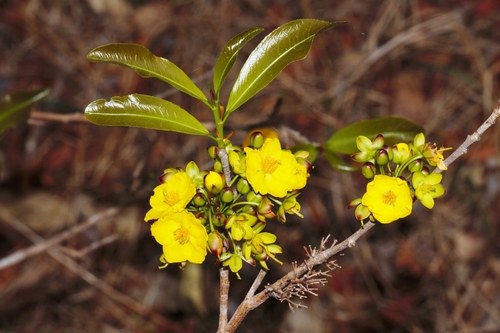
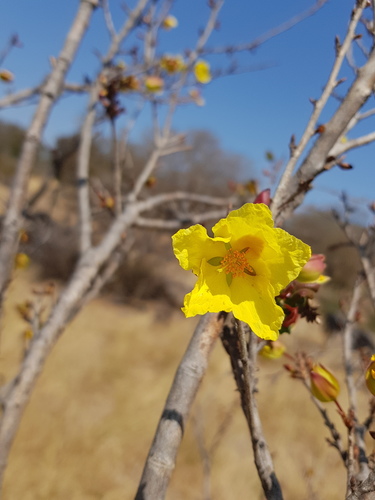
Ouratea parviflora
(DC.) Baill.
Batiputa, Button tree
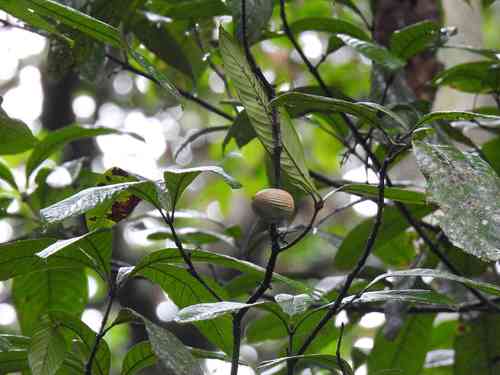
iNaturalist· cc-by
(c) LPB, some rights reserved (CC BY), uploaded by LPB
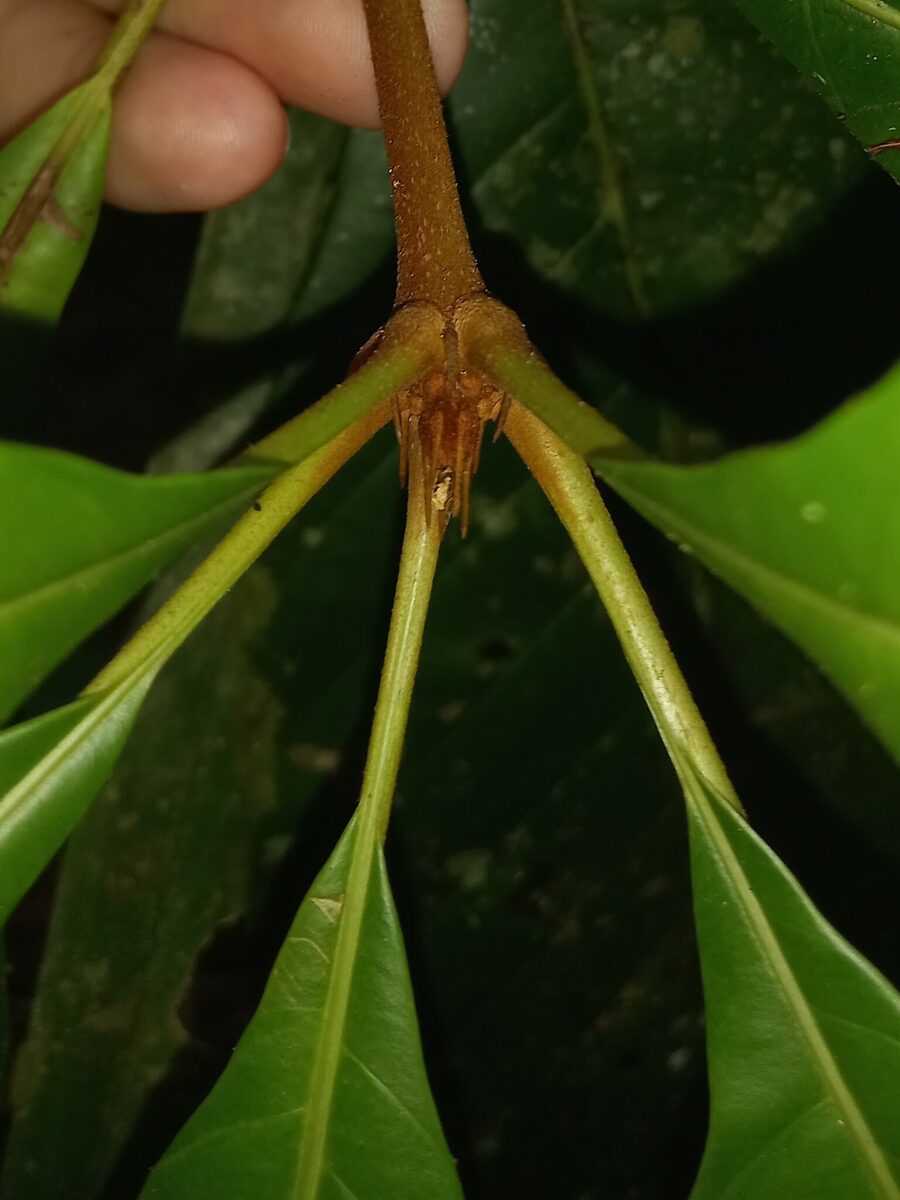
iNaturalist· cc-by-nc
(c) Liu Idárraga Orozco, some rights reserved (CC BY-NC), uploaded by Liu Idárraga Orozco
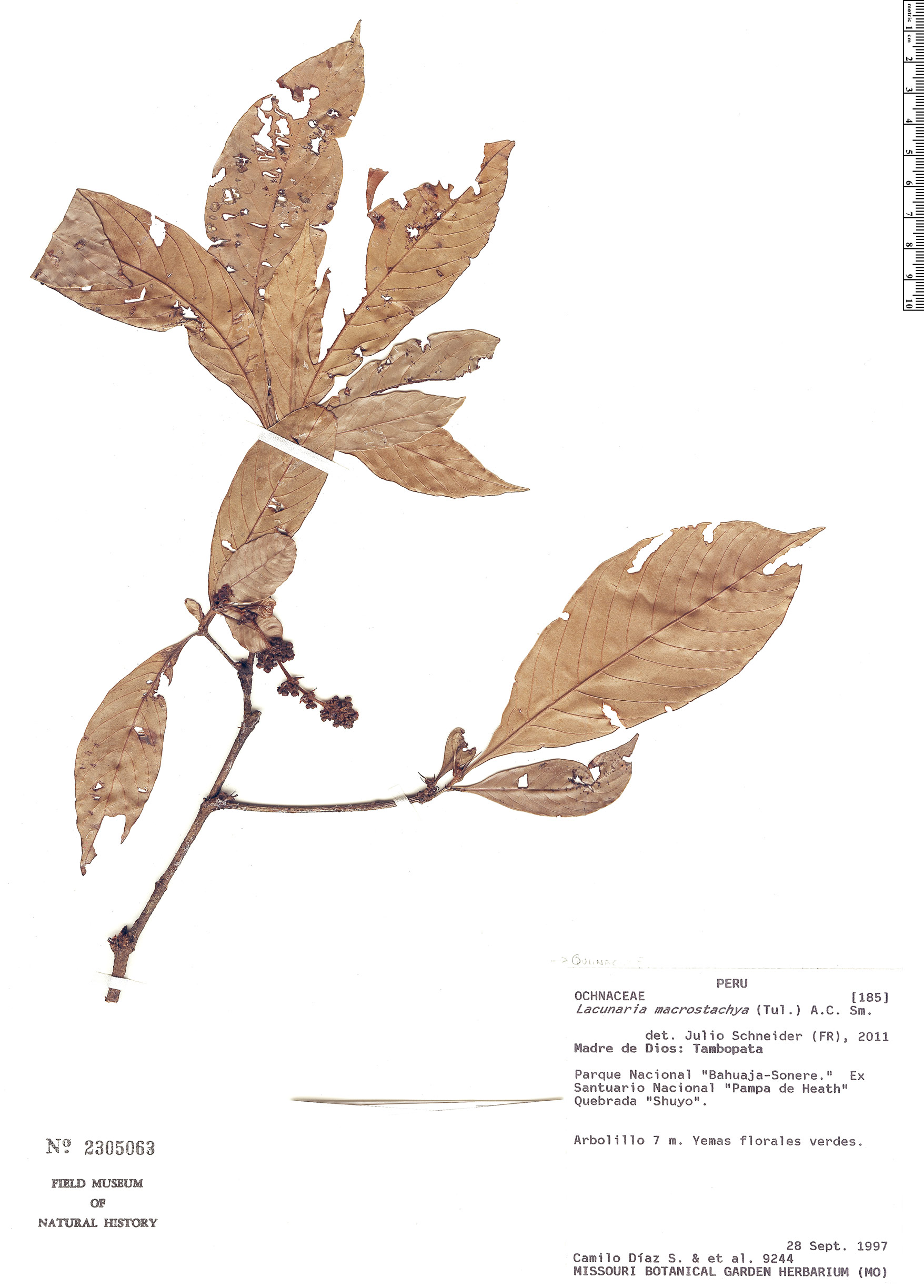
iNaturalist· cc-by-nc
(c) Liu Idárraga Orozco, some rights reserved (CC BY-NC), uploaded by Liu Idárraga Orozco
Description
A tropical shrub or small tree growing 3-5 m tall, found in rainforest environments. It belongs to the Ochnaceae family.
This description is brief — help expand it
Edible Uses
Oil expressed from the fruit and seeds is used in salads.
Traditional Uses
An oil expressed from the fruit is used in salads.
This uses section is brief — help expand it
Medicinal Uses
The oil obtained from the seed is used as a treatment against leprosy and other skin diseases.
Distribution
It is a tropical plant. It grows in the rainforest.
Where It Grows
Asia, Brazil*, Malaysia, SE Asia, South America,
Other Uses
A non-drying, edible oil, known as Batiputa, or Bati oil, is obtained from the seed.
Notes
An unresolved name in The Plant List.
Synonyms
Also Known As
Coracao-de-bugre
References (4)
- Brack, P., et al, 2020, Frutas nativas do Rio Grande do Sul, Brasil: riqueza e potencial alimentício. Native fruits of Rio Grande do Sul, Brazil: richness and potential as food. Rodriguésia 71: e03102018.
- Fern, K., 2012, Tropical Species Database http://theferns.info/tropical/
- Hedrick, U.P., 1919, (Ed.), Sturtevant's edible plants of the world. p 331 (As Gomphia parviflora)
- Menninger, E.A., 1977, Edible Nuts of the World. Horticultural Books. Florida p 119 (Also as Gomphia parviflora)