Alternanthera versicolor
Regel
Pink cress
wikimedia· cc0
Wikimedia Commons - Bois, D.; Frederick Warne (Firm); Herincq, B.; Step, Edward; Watson, William
Description
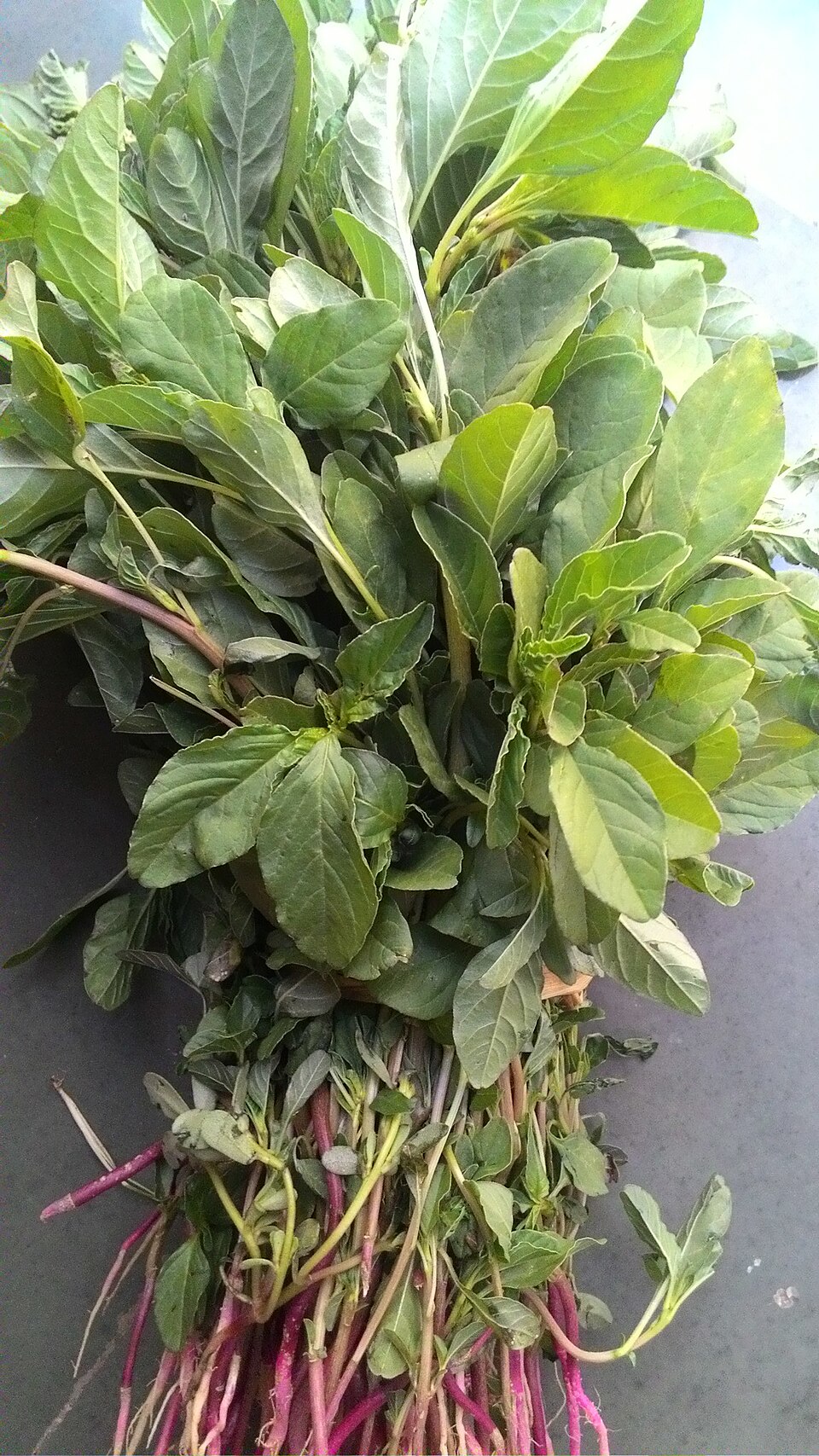
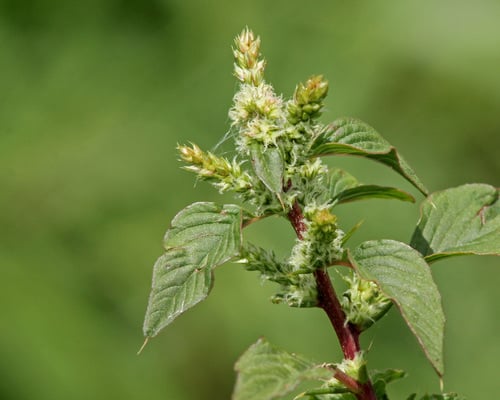
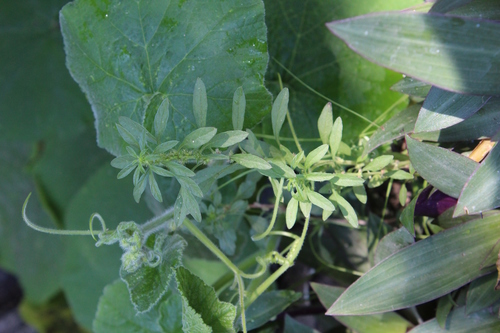
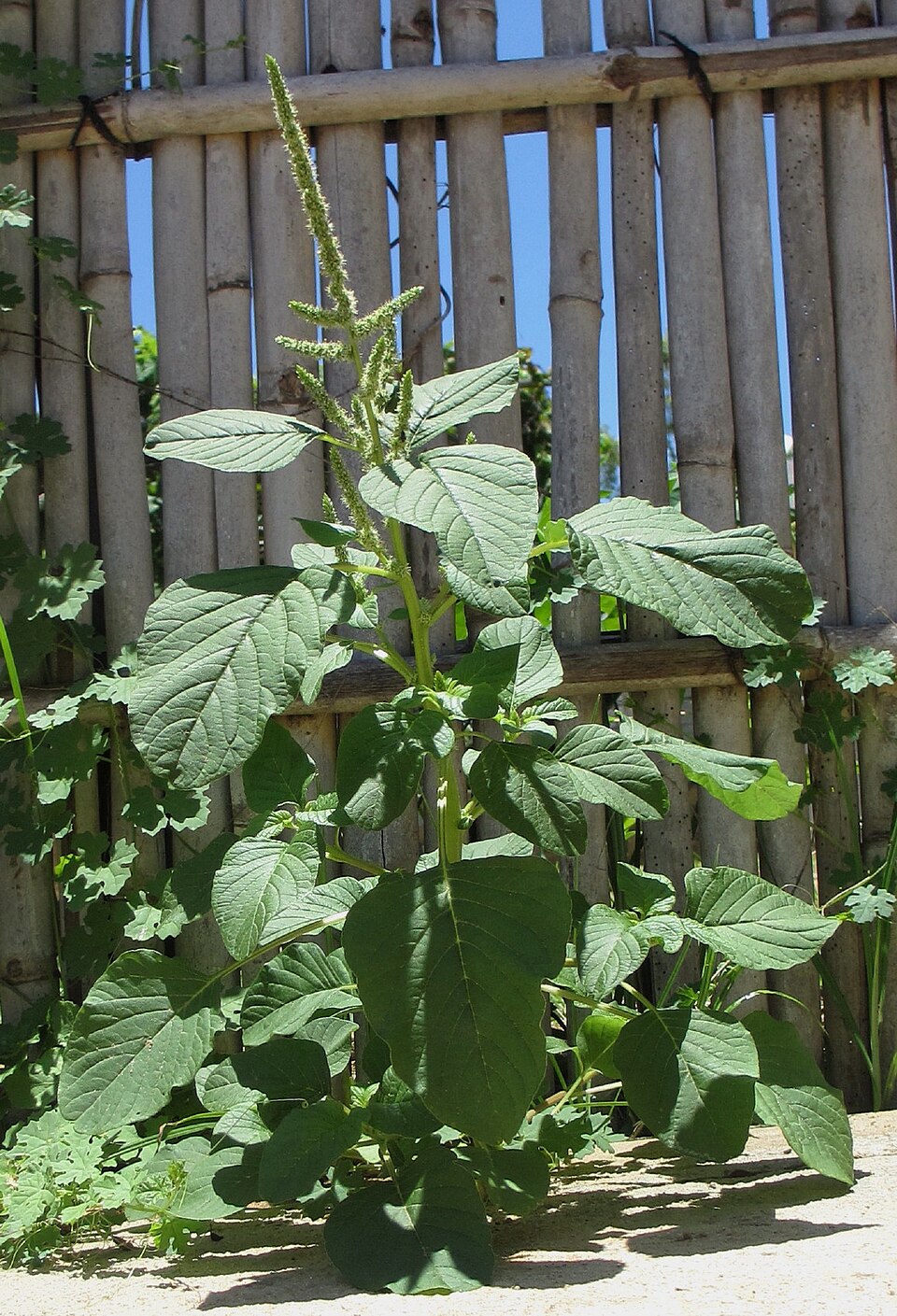
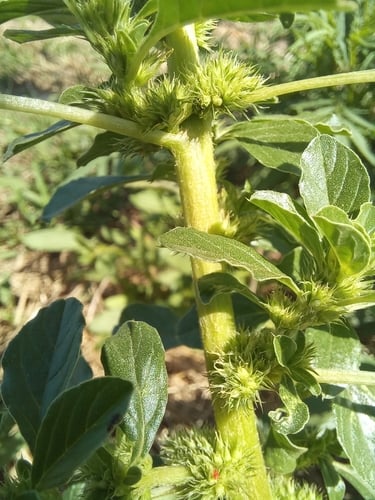
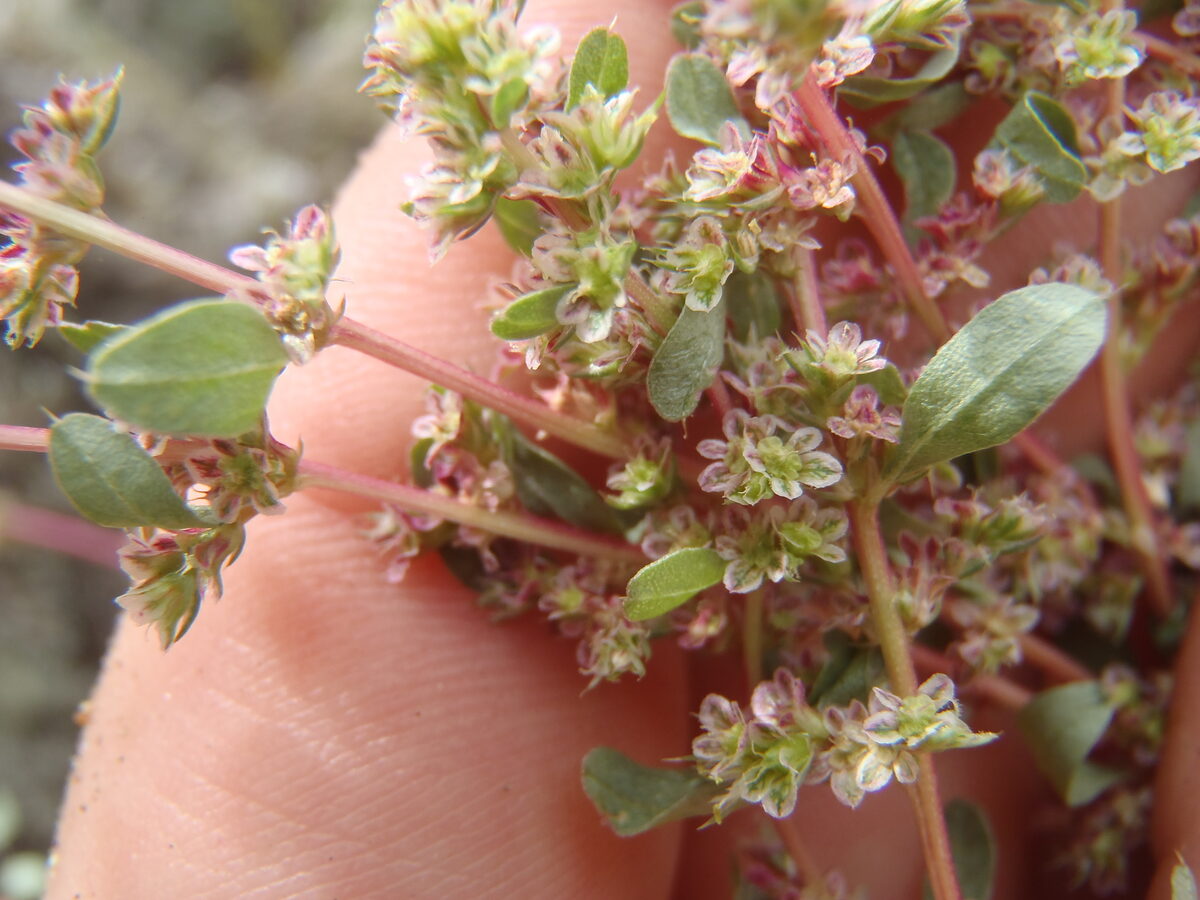
A slender herb. It can be erect or lie over. It has many branches. It is almost without hairs. The stems are reddish and 20-60 cm long. The leaves are broadly oval or spoon shaped. They have a long leaf stalk. The leaf blades are 1-6 cm long. They are green, red or purplish. The flower heads are in the axils of leaves. They occur singly without stalks and are oval. They are 5-8 mm long. They are slightly hairy.
Edible Uses
The young leaves are added fresh to salads or boiled as a pot herb, typically served with fish or meat dishes.
Traditional Uses
The young leaves are added to salads. They can be boiled and used as a pot herb. They are eaten with fish or meat dishes.
This uses section is brief — help expand it
Distribution
A tropical plant.
Where It Grows
Africa, Asia, Australia, Central Africa, Central America, Gabon, Pacific, Philippines, SE Asia, West Africa,
Notes
There are 200 Alternanthera species. It is often grown as an ornamental plant.
Nutrition
| Part | Moisture | kJ | kcal | Protein | Vit A | Vit C | Iron | Zinc |
|---|---|---|---|---|---|---|---|---|
| Leaves | 85.7 | 206 | 49 | 1.8 | — | — | 16 | — |
Synonyms
Also Known As
Kutsarita, Lofai, Taguhug
References (7)
- Facciola, S., 1998, Cornucopia 2: a Source Book of Edible Plants. Kampong Publications, p 8
- Food Composition Tables for use in East Asia FAO http://www.fao.org/infoods/directory No. 354
- Lugod, G.C. and de Padua L.S., 1979, Wild Food Plants in the Philippines. Vol. 1. Univ. of Philippines Los Banos. p 12
- Martin, F.W. & Ruberte, R.M., 1979, Edible Leaves of the Tropics. Antillian College Press, Mayaguez, Puerto Rico. p 173
- Raponda-Walker, A & Sillans, R., 1961, Les Plantes Utiles du Gabon. Editions Paul Lechevalier, Paris. p 48
Show all 7 references Hide references
- Siemonsma, J. S. & Kasem Piluek, eds. 1993. Vegetables. In: Plant Resources of South-East Asia (PROSEA) 8:312
- Terra, G.J.A., 1973, Tropical Vegetables. Communication 54e Royal Tropical Institute, Amsterdam, p 20