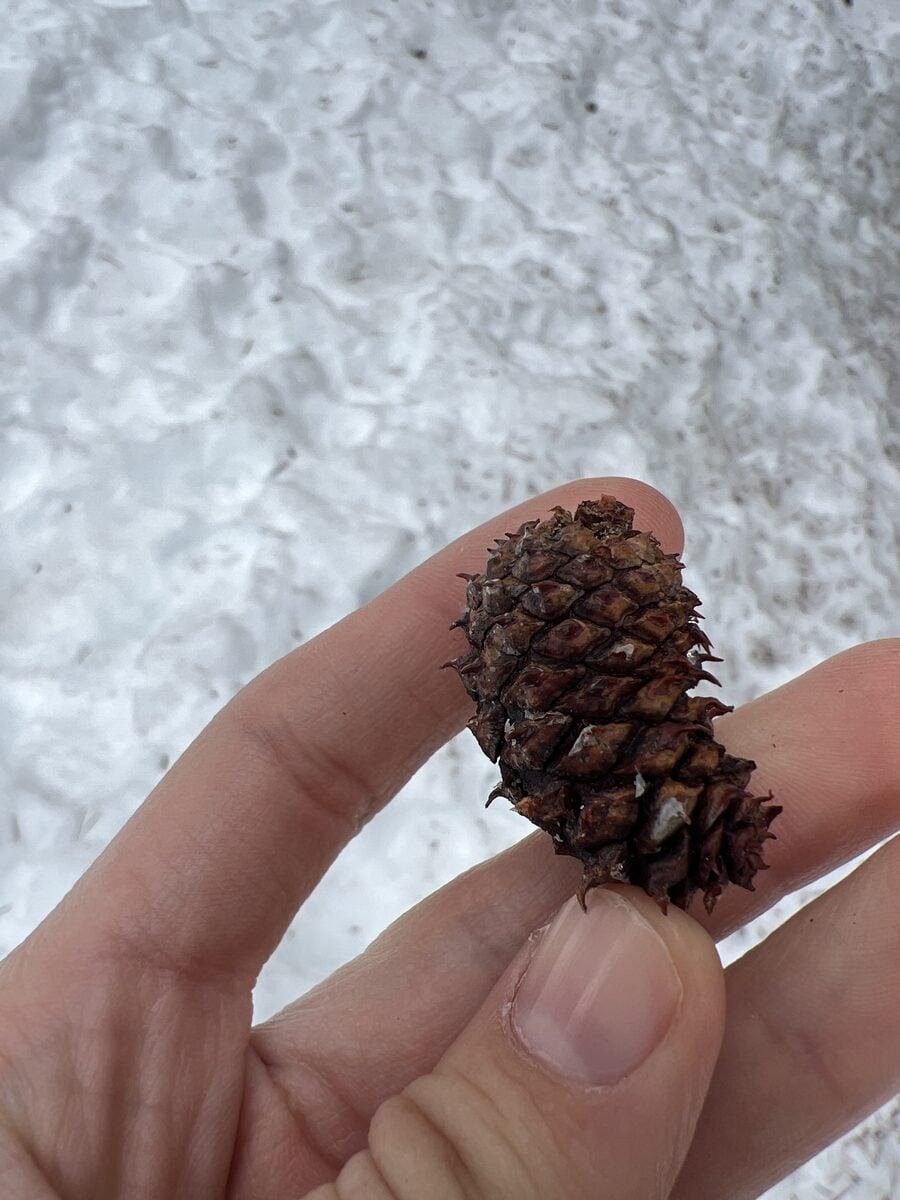
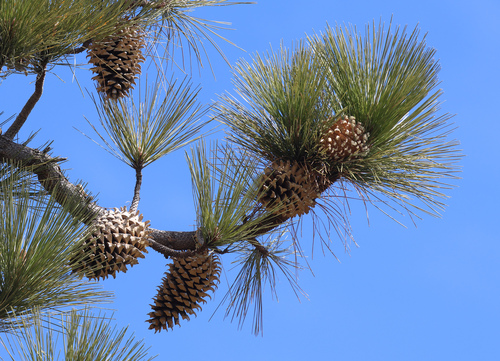
Abies grandis
(Dougl. ex D.Don) Lindl.
Giant fir, Grand fir, Lowland fir
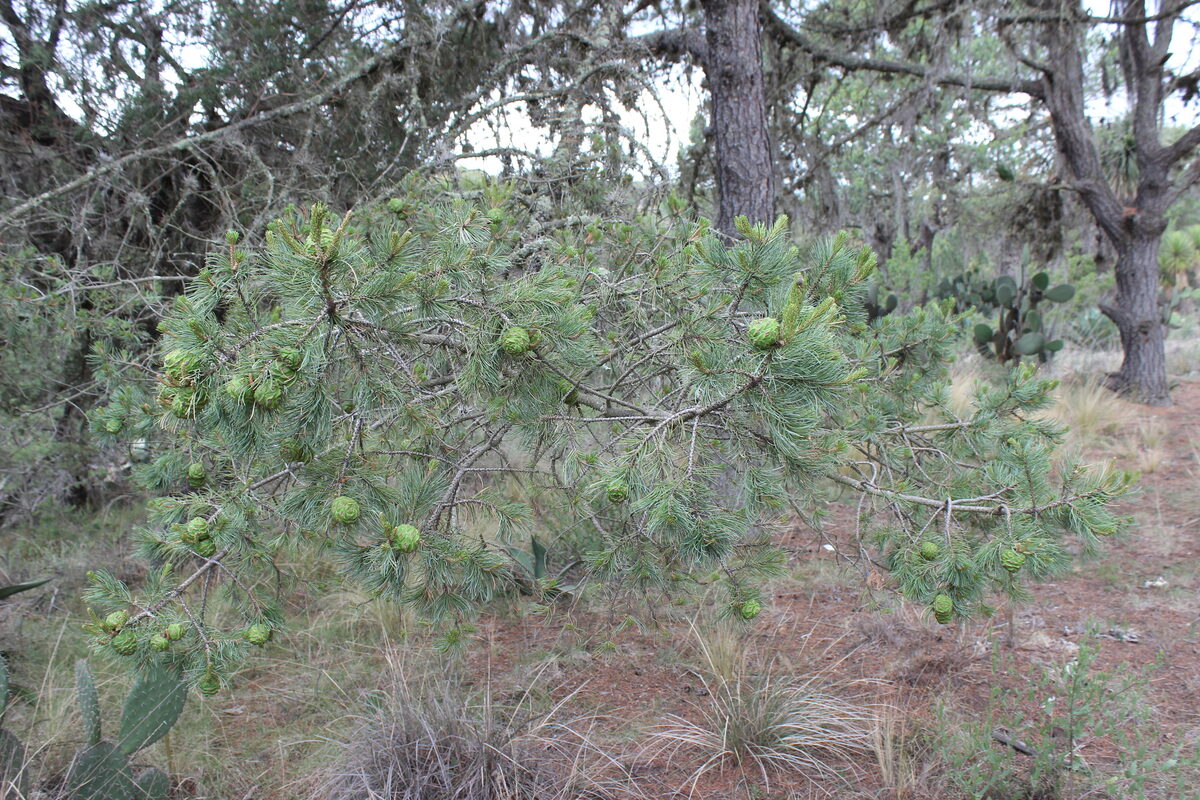
iNaturalist· cc-by-nc
(c) Tom Okey, some rights reserved (CC BY-NC), uploaded by Tom Okey
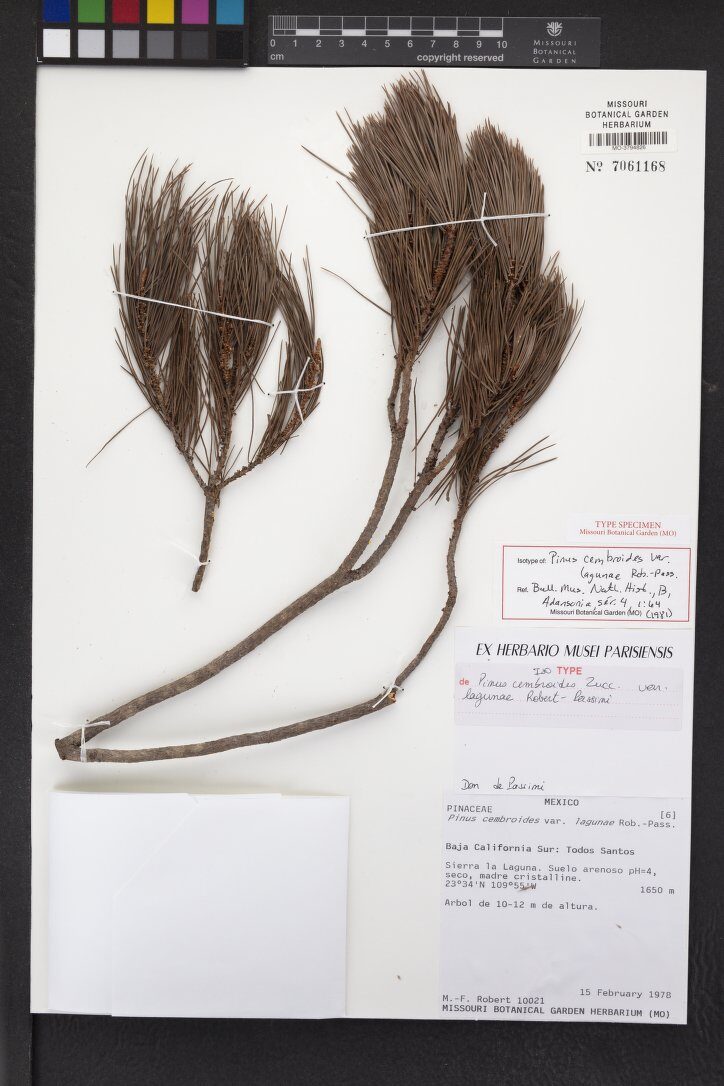
iNaturalist· cc-by
(c) Dave Powell, USDA Forest Service, United States, some rights reserved (CC BY)
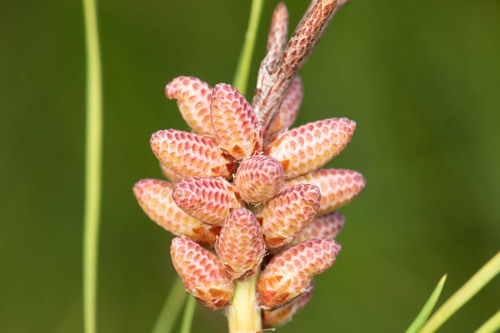
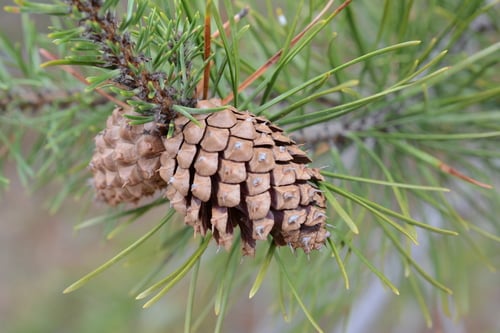
iNaturalist· cc-by-nc
(c) 2014 Zoya Akulova, some rights reserved (CC BY-NC)
Summary
Source: WikipediaAbies grandis (grand fir, giant fir, lowland white fir, great silver fir, western white fir, Vancouver fir, or Oregon fir) is a fir native to northwestern North America, occurring at altitudes of sea level to 1,700 metres (5,600 ft). It is a major constituent of the Grand Fir/Douglas Fir Ecoregion of the Cascade Range. The tree typically grows to 40–70 m (130–230 ft) in height, and may be the tallest Abies species in the world. There are two varieties, the taller coast grand fir, found west of the Cascade Mountains, and the shorter interior grand fir, found east of the Cascades. It was first described in 1831 by David Douglas. It is closely related to white fir. The bark was historically believed to have medicinal properties, and it is popular in the United States as a Christmas tree. Its lumber is a softwood, and it is harvested as a hem fir. It is used in paper-making, as well as construction for framing and flooring, where it is desired for its resistance to splitting and splintering.
Description
A shrub or small tree. It grows 5 m tall. There are prickles along the stem. The leaves are twice divided and there are 8-18 pairs of pinnae. There are up to 50 pairs of pinnules on each pinnae. The flowers are yellow. They are in large clusters at the ends of branches. The pods are flattened.
Edible Uses
Inner bark can be cooked — typically dried, ground to a powder, and used as a soup thickener or mixed with cereals for bread-making. It is richest and most suitable in spring. This is an emergency food, used only when nothing else is available. Gum tapped from the trunk is hardened — likely in cold water — and used as a chewing gum, or made into a drink. Young shoot tips can be brewed as a tea substitute.
Traditional Uses
The young shoots are used as a tea substitute. The inner bark is used as an emergency food.
This uses section is brief — help expand it
Medicinal Uses
A gum that exudes from the bark is used externally as an ointment, as a wash for sore and infected eyes, and as a gargle for sore throats. A decoction of the gum is laxative and tonic, used to treat stomach problems. Externally, it is applied as a poultice to cuts and sores. A decoction of root bark or stem treats stomach complaints and tuberculosis, and poultices are applied to joints to ease rheumatism or to the chest for lung haemorrhages. A decoction of the leaves is used as a tonic and for treating colds.
Distribution
It is a temperate plant. It does best in deep moist soils. It grows at low altitudes in Canada and N USA. It can tolerate some shade. It suits hardiness zones 6-9. Arboretum Tasmania.
Where It Grows
Australia, Britain, Canada, Europe, North America, Tasmania, USA,
Cultivation
Plants can be grown from seed.
Propagation
Sow seed in early February in a greenhouse, or outdoors in March. Germination is often poor, typically taking 6–8 weeks. Stratification tends to produce more even germination, so sowing in a cold frame as soon as seed is ripe in autumn is recommended. Seed remains viable for up to 5 years if stored well. Prick seedlings into individual pots when large enough to handle and grow on for at least their first winter under cover. Plant out into permanent positions in late spring or early summer, after the last expected frosts. Sowing in an outdoor seedbed is an option where seed is plentiful. One report recommends growing seedlings in shade at around 550 plants per square metre; another favours a sunny position.
Other Uses
The aromatic leaves serve as a moth repellent, and the boughs have been used indoors as an incense. A pink dye can be obtained from the bark. Dried and hardened pitch can be chewed as a tooth cleanser. North American Indians used a powder made from dried, crushed leaves as a baby powder. The bark makes a waterproof covering material for buildings and canoes. The wood is light, soft, coarse-grained, not strong, and not particularly durable; it is used for interior work and casing, though its main applications are pulp production and fuel.
Production
It grows quickly. It can grow 1 m a year. Trees can live for 250 years.
Notes
There are about 50 Abies species. They are mostly in north temperate regions.
Synonyms
References (10)
- Beckstrom-Sternberg, Stephen M., and James A. Duke. "The Foodplant Database." http://probe.nalusda.gov:8300/cgi-bin/browse/foodplantdb.(ACEDB version 4.0 - data version July 1994)
- Coombes, A.J., 2000, Trees. Dorling Kindersley Handbooks. p 50
- Cundall, P., (ed.), 2004, Gardening Australia: flora: the gardener's bible. ABC Books. p 69
- Facciola, S., 1998, Cornucopia 2: a Source Book of Edible Plants. Kampong Publications, p 169
- Farrar, J.L., 1995, Trees of the Northern United States and Canada. Iowa State University press/Ames p 90
Show all 10 references Hide references
- Etherington, K., & Imwold, D., (Eds), 2001, Botanica's Trees & Shrubs. The illustrated A-Z of over 8500 trees and shrubs. Random House, Australia. p 44
- MacKinnon, A., et al, 2009, Edible & Medicinal Plants of Canada. Lone Pine. p 37
- Penny Cycl. 1:30. 1833
- Turner, N. J., 1988, Ethnobotany of Coniferous Tress in Thompson and Lillooet Interior Salish of British Colombia. Economic Botany 42(2) :177-194
- Young, J., (Ed.), 2001, Botanica's Pocket Trees and Shrubs. Random House. p 41