Allium longifolium
(Kunth) Spreng.
Kunth's Onion, Mexican onion
iNaturalist· cc-by-nc
(c) Pedro Nájera Quezada, some rights reserved (CC BY-NC), uploaded by Pedro Nájera Quezada
iNaturalist· cc-by-nc
(c) Pedro Nájera Quezada, some rights reserved (CC BY-NC)
Description
A bulbous plant in the Amaryllidaceae family growing about 40 cm high. It is a member of the onion genus Allium and was traditionally used by the Maya.
Edible Uses
The bulb, roots, leaves, and flowers are all edible. All parts can be consumed, though as with most Allium species, palatability varies.
Distribution
It was used by Maya.
Where It Grows
Central America, Mexico, North America, USA,
Notes
There are about 300-700 Allium species. Most species of Allium are edible (Flora of China). All alliums are edible but they may not all be worth eating! They have also been put in the family Alliaceae.
Synonyms
Also Known As
Cebolin, Chunacate, Richihui
References (5)
- Altschul, S.V.R., 1973, Drugs and Foods from Little-known Plants. Notes in Harvard University Herbaria. Harvard Univ. Press. Massachusetts. no. 259 (As Allium kunthii)
- Camou-Guerrero, A., et al, 2008, Knowledge and use Value of Plant Species in a Raramuri Community: A Gender Perspective for Conservation. Human Ecology, 36:259-272 (As Allium scaposum)
- Piedra-Malagón, E. M. et al, 2022, Edible native plants of the Gulf of Mexico Province. Biodiversity Data Journal 10: e80565 p 9
- Plants for a Future database, The Field, Penpol, Lostwithiel, Cornwall, PL22 0NG, UK. http://www.scs.leeds.ac.uk/pfaf/ (As Allium kunthii)
- Seidemann J., 2005, World Spice Plants. Economic Usage, Botany, Taxonomy. Springer. p 20 (As Allium kunthii)
More from Amaryllidaceae
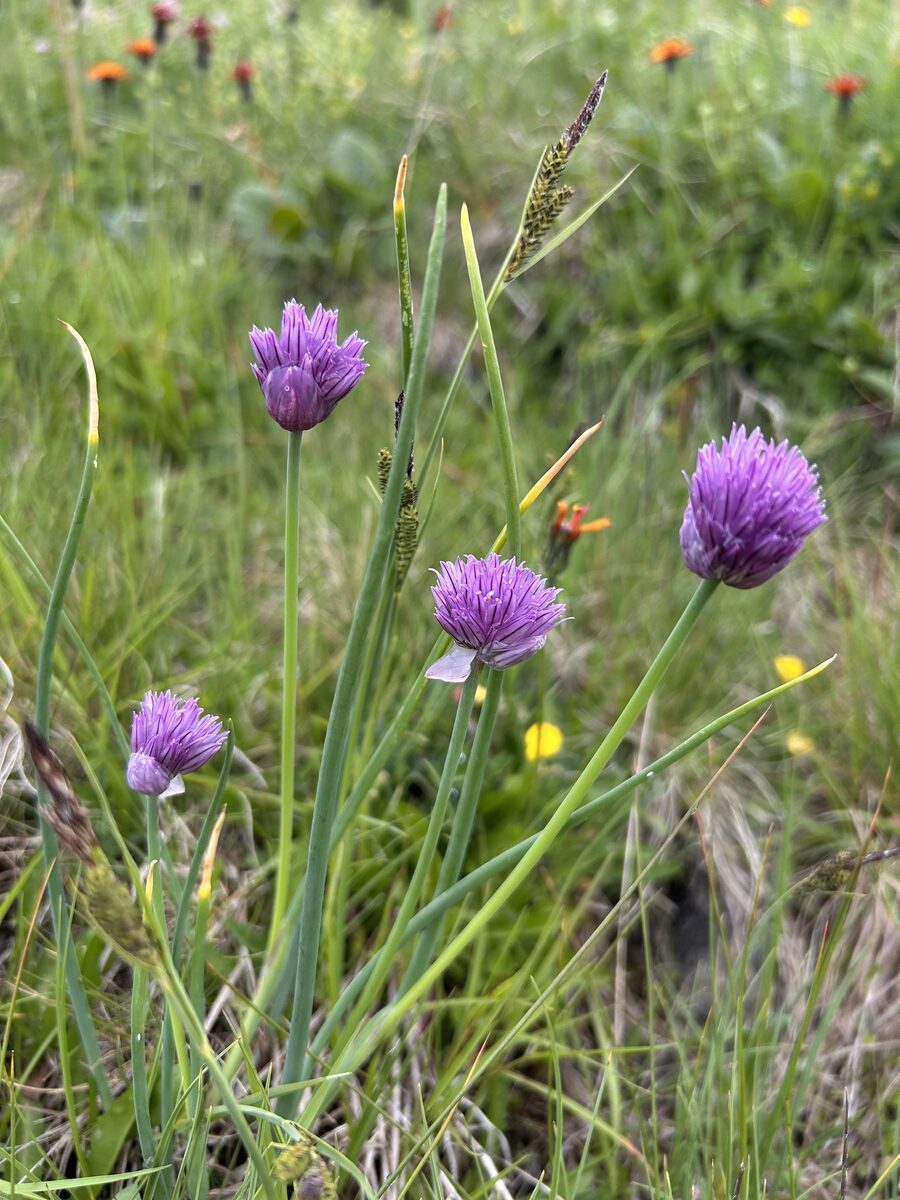
Allium schoenoprasum sibiricum - (L.)Hartm.
Giant Chives
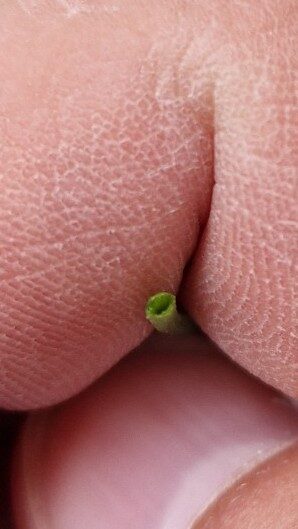
Allium schoenoprasum subsp. schoenoprasum
Siberian chive
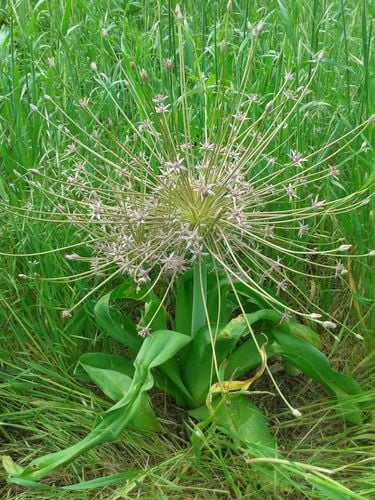
Allium schubertii
Schubert onion, Tumbleweed onion
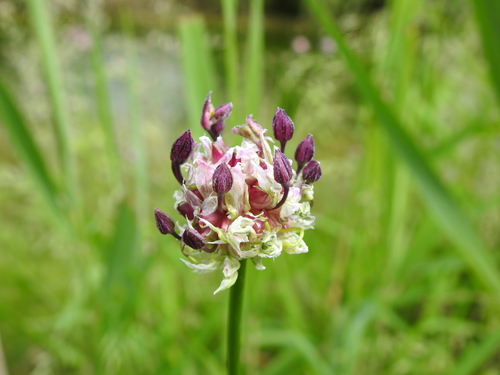
Allium scorodoprasum
Giant garlic, Sand leek, Rocambole, Spanish garlic
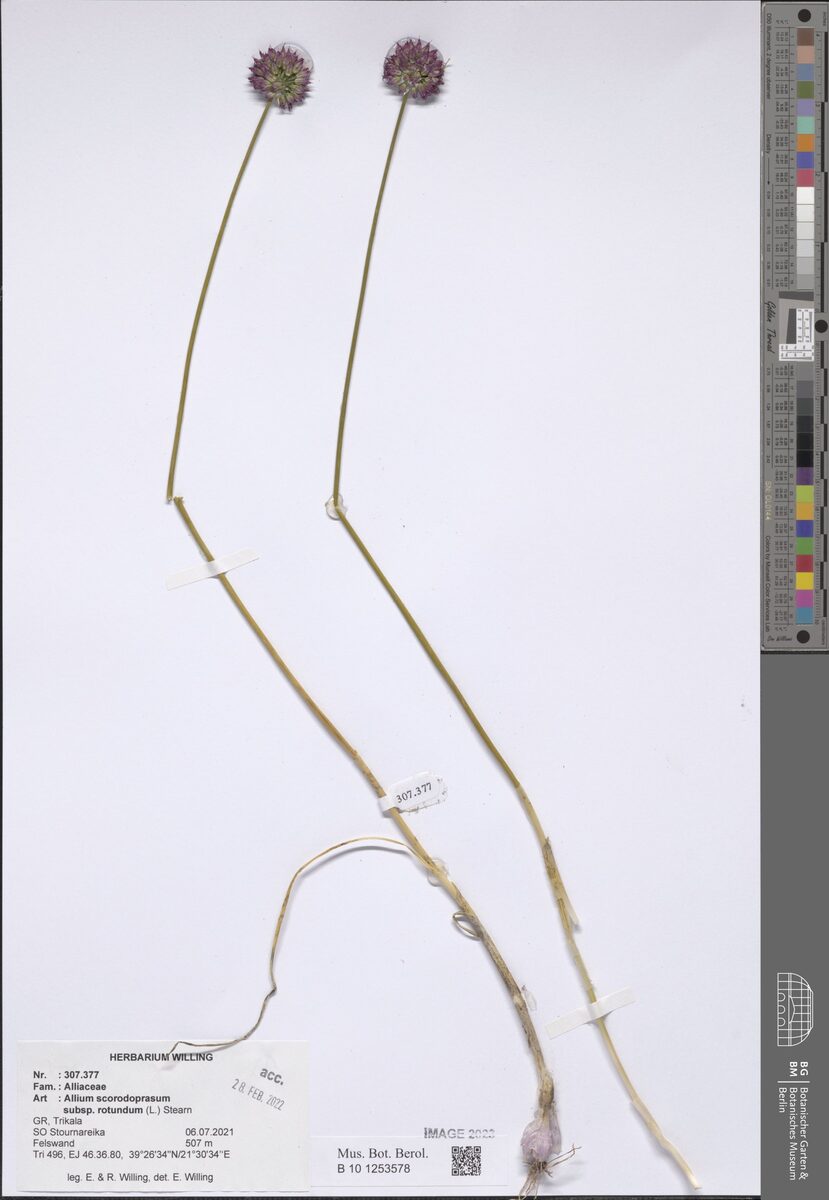
Allium scorodoprasum rotundum - (L.)Stearn.
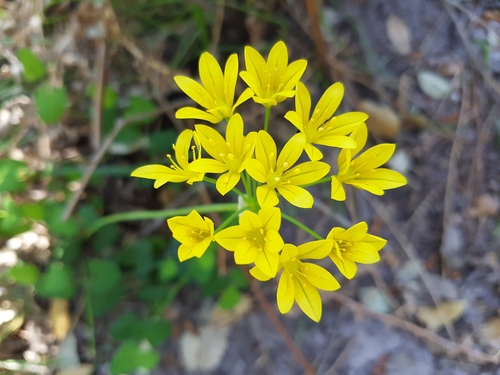
Allium scorzonerifolium