Allium akaka
S. G. Gmel. ex Schult. & Schult. f.
Akaka, Wolag, Valik
iNaturalist· cc-by-sa
(c) C T Johansson, some rights reserved (CC BY-SA)
iNaturalist· cc-by-sa
(c) C T Johansson, some rights reserved (CC BY-SA)
iNaturalist· cc-by-nc
(c) Barbara Parris, some rights reserved (CC BY-NC)
Summary
Source: WikipediaAllium akaka is a species of onion native to Iran. formerly included Several infraspecific names have been coined referring to taxa now generally considered distinct species not to be included in Allium akaka. We give links here to help you locate appropriate information Allium akaka subsp. haemanthoides (Boiss. & Reut. ex Regel) Wendelbo, now synonym of Allium haemanthoides Boiss. & Reut. ex Regel Allium akaka f. major Turrill, now synonym of Allium ubipetrense R.M.Fritsch Allium akaka var. regale Tamamsch, now synonym of Allium materculae Bordz. Allium akaka subsp. shelkovnikovii (Grossh.) Wendelbo, now synonym of Allium shelkovnikovii Grossh.
Description
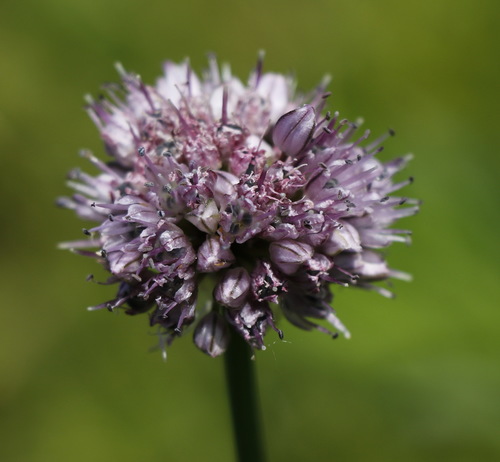
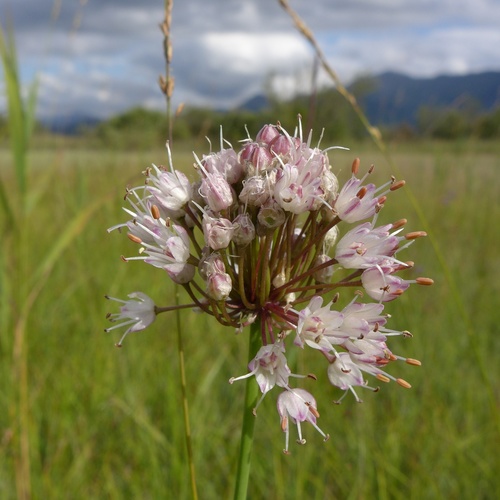
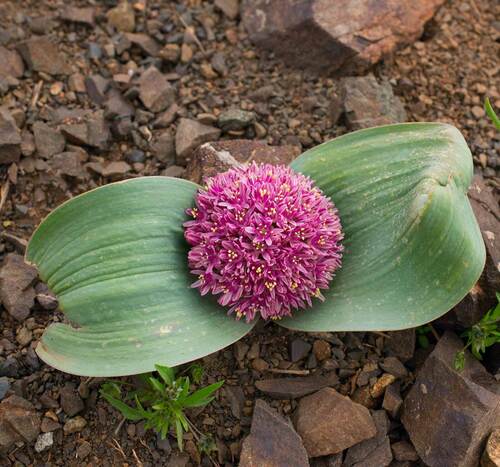
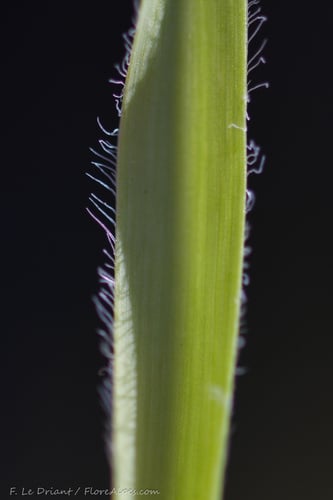
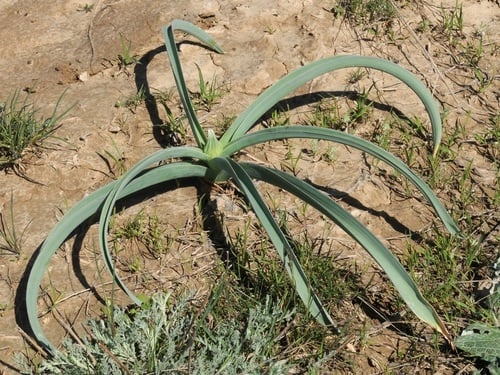
An onion family plant with a bulb. It grows to 15 cm tall and 12 cm wide. The bulb is 15-30 mm across. The leaves are wide. The flower stalk is 30 cm high and solid. The flower heads are round. The flowers are mauve to white.
Edible Uses
The bulb, which is 15–30mm wide, can be eaten raw or cooked as an onion substitute. The whole young plant is considered a great delicacy and is traditionally used as an addition to rice in a pilau. Leaves are edible raw or cooked. Flowers can be eaten raw and used as a garnish on salads.
Traditional Uses
The bulb is eaten raw or cooked. The leaves are eaten raw or cooked. They are used in stews and vegetable dishes. The flowers are eaten raw as a garnish on salads.
Medicinal Uses
No specific medicinal uses have been recorded for this species, but members of this genus are generally considered healthy dietary additions. They contain sulphur compounds responsible for their onion flavour, and regular consumption is thought to help reduce blood cholesterol levels, act as a tonic to the digestive system, and support the circulatory system.
Known Hazards
Although no individual reports regarding this species have been seen, there have been cases of poisoning caused by the consumption, in large quantities and by some mammals, of certain members of this genus. Dogs seem to be particularly susceptible.
Distribution
It is a temperate plant. It grows naturally in dry stony places, scree slopes etc. between 1600 metres and 3000 metres in Turkey, Northern Iran and Russia. It grows in sunny well drained moist soils. They can probably tolerate cold temperatures down to about -5°C.
Where It Grows
Azerbaijan, Europe, Iran, Iraq, Middle East, Russia, Turkey, Türkiye,
Cultivation
Prefers a sunny position in a light well-drained dry to moist soil. Bulbs are not hardy in all parts of Britain, they probably tolerate temperatures down to between -5 and -10°c but because of their need for a very well-drained dry to moist soil are probably best grown in a bulb frame. The plants need a dry period in late summer when they are dormant in order to fully ripen the bulb. The bulbs should be planted fairly deeply. Most members of this genus are intolerant of competition from other growing plants. Grows well with most plants, especially roses, carrots, beet and chamomile, but it inhibits the growth of legumes. This plant is a bad companion for alfalfa, each species negatively affecting the other. This species is a cultivated crop in Iran, where it is sold in the bazaars of Teheran. Members of this genus are rarely if ever troubled by browsing deer.
Propagation
Sow seed in spring in a cold frame. Prick out seedlings into individual pots when large enough to handle — placing three per pot will produce clumps more quickly. Grow on in a greenhouse through at least the first winter, then plant out into permanent positions in spring once growing vigorously. Divide in spring. Plants can be divided successfully at any point during the growing season; pot divisions in a cold frame or greenhouse until growing well before planting out into permanent positions.
Other Uses
The growing plant is said to repel insects and moles.
Other Information
It is a cultivated crop in Iran sold in shops and markets.
Notes
There are about 300-700 Allium species. Most species of Allium are edible (Flora of China). All alliums are edible but they may not all be worth eating! They have also been put in the family Alliaceae.
Synonyms
Also Known As
Guhbizin
References (10)
- Ahmad, S. A. & Askari, A. A., 2015, Ethnobotany of the Hawraman Region of Kurdistan Iraq. Harvard Papers in Botany, Vol. 20, No. 1, 2015, pp. 85–89.
- Bircher, A. G. & Bircher, W. H., 2000, Encyclopedia of Fruit Trees and Edible Flowering Plants in Egypt and the Subtropics. AUC Press. p 19
- Ertug, F, Yenen Bitkiler. Resimli Türkiye Florası -I- Flora of Turkey - Ethnobotany supplement
- Facciola, S., 1998, Cornucopia 2: a Source Book of Edible Plants. Kampong Publications, p 4
- Hedrick, U.P., 1919, (Ed.), Sturtevant's edible plants of the world. p 33
Show all 10 references Hide references
- Ibadullayeva, S., et al, 2011, Protection of some rare and endangered vegetable plants in the flora of the Nakhichevan AR. International Journal of Biodiversity and Conservation Vol. 3(6), pp. 224-229
- Mukemre, M., et al, 2016, Survey of wild food plants for human consumption in villages of Catak, (Van-Turkey), Indian Journal of Traditional Knowledge. Vol. 15(2) pp. 183-191
- Plants for a Future database, The Field, Penpol, Lostwithiel, Cornwall, PL22 0NG, UK. http://www.pfaf.org
- Syst. veg. 7(2):1132. 1830
- Woodward, P., 1996, Garlic and Friends. The History, Growth and Use of Edible Alliums. Hyland House. p 190