Heritiera littoralis
Dryander ex Aiton
Looking Glass Mangrove
iNaturalist· cc0
no rights reserved, uploaded by 葉子
iNaturalist· cc-by-nc
(c) Rafael Paredes Montesinos, some rights reserved (CC BY-NC)
iNaturalist· cc-by-nc
(c) Haocong_Cat, some rights reserved (CC BY-NC)
Summary
Source: WikipediaHeritiera littoralis, commonly known as the looking-glass mangrove or tulip mangrove, is a mangrove tree in the family Malvaceae native to coastal areas of eastern Africa, Asia, Melanesia and northern Australia. The common name refers to the silvery appearance of the underside of the leaves, resembling a mirror to some degree. The strong timber has uses in marine applications and elsewhere.
Description
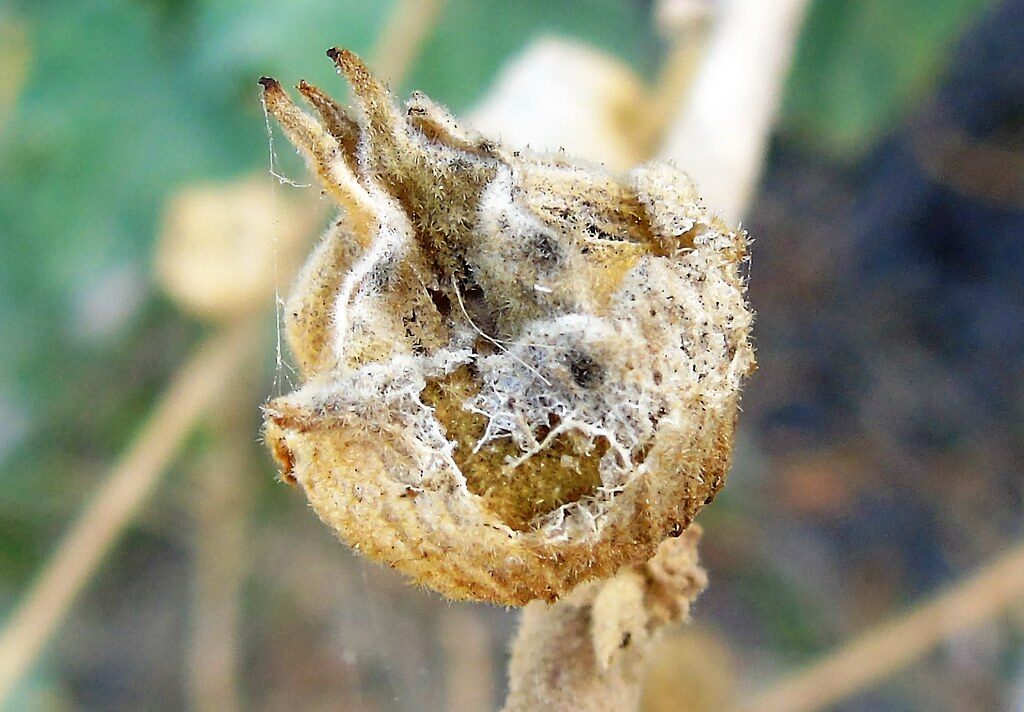
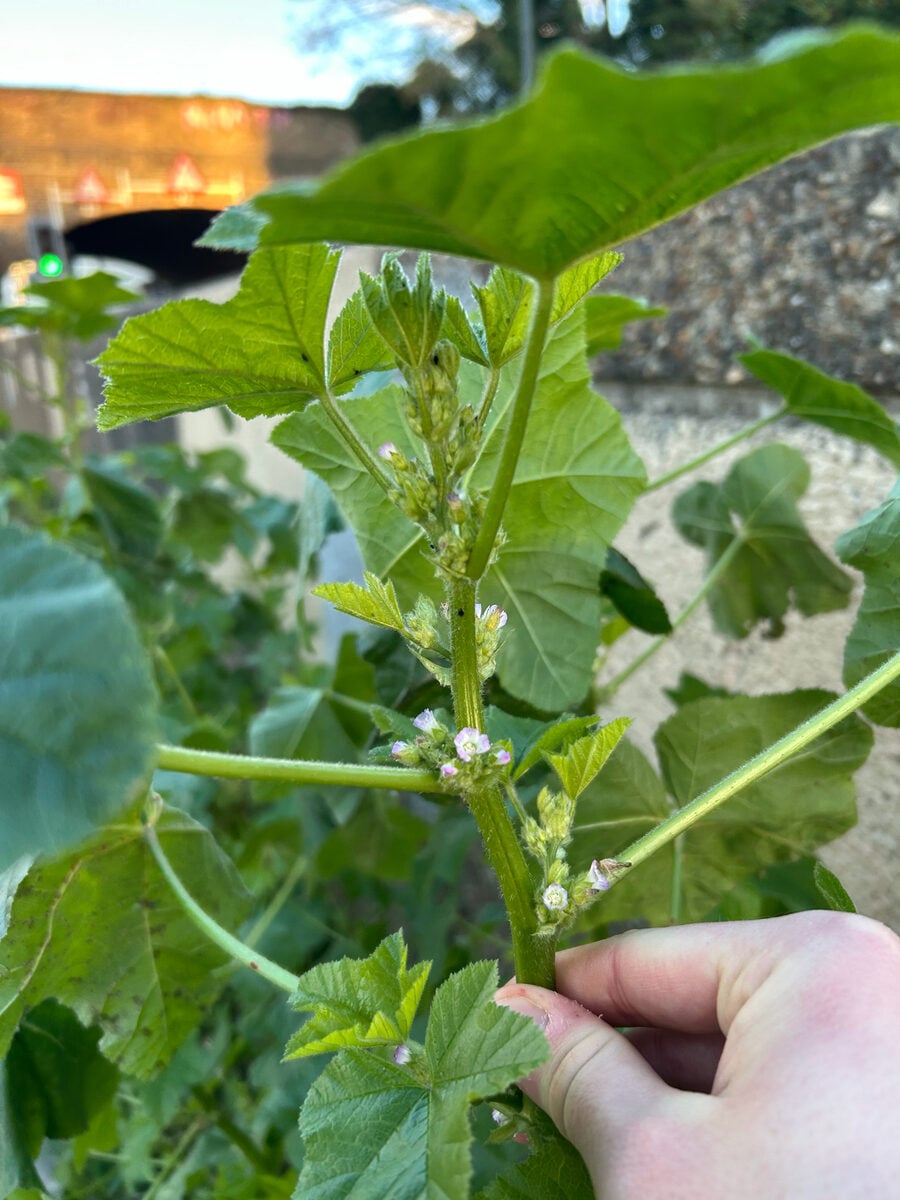
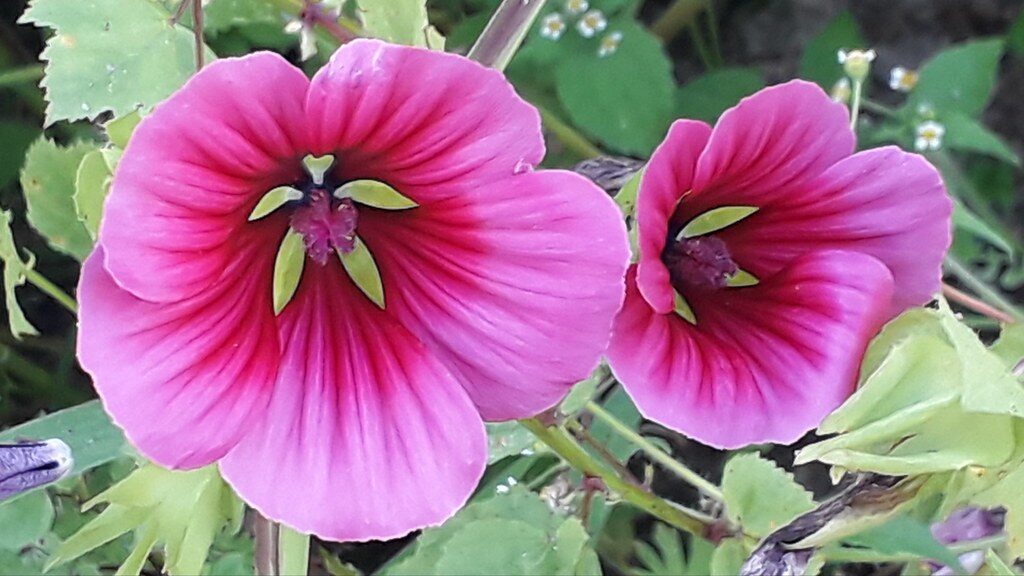
A tree up to 30 m high with a silvery crown and wide spreading branch-like buttresses. The trunk can be 90 cm across. The bark is light coloured and coarsely furrowed. The leaves are grouped near the ends of branches and are dark green on top and with silvery scales underneath. The leaves are 14-29 cm long. The upper side of the leaves is smooth and without hairs while the under side is silvery. The flowering branches are borne in the axils of leaves and have many flowers. The flowers are small, and hang in tassels. The flowers are of one sex, yellowish green and bell shaped. The fruit are hard, woody, smooth and shiny and boat shaped. The fruit are in clusters near the ends of branches. Fruit are 5-10 cm long. There is one seed inside which is edible. The wood is very hard.
Edible Uses
The seed inside the fruit is edible after roasting; the seeds are bitter and sometimes eaten with fish. The leaves are used to prepare tea.
Traditional Uses
The seeds are eaten after roasting the fruit. They are bitter. The seeds are sometimes eaten with fish. The leaves are used in the preparation of tea.
Medicinal Uses
A root decoction is used to treat mouth infection and toothache. A seed extract is used to treat diarrhoea and dysentery.
Known Hazards
The tree is harvested for timber and is valued for its toughness, durability, and resistance to saltwater. It is commonly used in shipbuilding and for pilings, bridges, wharves, furniture and housing. When sufficiently straight and high, the trunk has been used for ship's masts. The fruit of species in the genus is used in Philippine cuisine to neutralize the fishy taste in kinilaw, a local dish of raw fish in vinegar or citrus juices. Another species used this way is the fruits of the tabon-tabon tree (Atuna excelsa subsp. racemosa, syn. Atuna racemosa). Extracts of the plant were traditionally used to treat diarrhea and dysentery, while the sap was used as a fish poison, arrowhead poison, and spearhead poison. In the Nicobar and Andaman islands, the plant's leaves and seeds are regarded as edible. Twigs have been used to clean teeth and for chewing.
Distribution
A tropical plant. They are found in the inner part of the mangrove swamp and sometimes on dry land just at the back of the swamp in the tropics. They grow on sandy and rocky coasts. It can tolerate salt. They occur up to 50 m altitude. The trees occur from tropical Africa, India through Malaysia to Polynesia. It can grow in arid places. In Townsville palmetum.
Where It Grows
Africa, Andamans, Asia, Australia, Brunei, Cambodia, China, Christmas Island, Chuuk, East Africa, East Timor, Fiji, FSM, Guam, Hawaii, India, Indochina, Indonesia, Japan, Kosrae, Madagascar, Malaysia, Mariana Islands, Marquesas, Micronesia, Mozambique, Myanmar, New Caledonia, Pacific, Palau, Papua New Guinea, PNG, Philippines, Pohnpei, SE Asia, Seychelles, Solomon Islands, Southern Africa, Sri Lanka, Taiwan, Tanzania, Thailand, Timor-Leste, Tonga, USA, Vanuatu, Vietnam, Yap, Zimbabwe,
Cultivation
Plants are grown from seed. Trees grow wild. The fruit can float in sea water for long distances and then still germinate.
Propagation
Seed - the fruits float in water, with the ridge upwards, and the seeds germinate readily in muddy substrates. When washed up on a beach, the flattened base of the fruit weakens, allowing moisture to penetrate. The fruit is split by the extruding thick, hard radicle, which develops into a primary root penetrating deeply into the soil. The primary root branches soon, and subsequently the plumule extrudes. Cuttings of mature wood.
Other Uses
The bark contains 12 - 15% tannin on a dry weight basis. It is used for toughening nets. The seed also contains tannins. The twigs are used as toothbrushes. The poisonous activity of the roots to fish is due to the presence of sesquiterpenoids such as heritonin and vallapin. The latter compound has also shown activity against boll weevils. The heartwood is reddish brown or dark brown, often with a chocolate or purple tinge. The wood is hard, strong and durable, the grain interlocked, texture fine and even. It often smells like leather. The timber is difficult to season, being subject to considerable end splitting and surface checking. It rapidly blunts edged tools due to the presence of silica, but turns fairly well and takes a good finish. The wood is moderately durable when exposed to the weather or in contact with the ground; a life of 3 years in contact with the ground under tropical conditions is probably as much as can be expected. In durability tests in Tanzania, fungi showed a particularly high affinity for Heritiera littoralis wood. The wood is not susceptible to powder-post beetles, and is reported to be resistant to marine borers, but not always to termites. It is probably difficult to impregnate with preservative because gum-like deposits are present. It is used for ships' masts when sufficiently straight and long, as well as for house posts, joists, wheel hubs, boat ribs, furniture, rice pounders and other domestic articles. It is recommended for steamed bentwork. The wood pulp is suitable for the production of wrapping, writing and printing paper. It is an excellent firewood, having a high energy value.
Production
Trees are slow growing. In the southern hemisphere flowering and fruiting is from April to November.
Other Information
In Papua New Guinea, a moderately common tree but the nuts are probably only occasionally eaten.
Notes
The seeds are used in medicine in Indonesia. There are about 35 Heritiera species. Also put in the family Sterculiaceae.
Synonyms
Also Known As
Adavibadamu, Chandmara, Chebibech, Chomuntri, Cui, Dugun kecil, Dungun ayer, Dungun, Etuna, Itik-itikan, Kalampu, Kannadi-yilai, Kolland, Mawtda, Mkokoshi, Mkungu, Msikundazi, Mukuram, Nakam, Pinle-kanazo, Pohon dungun teropong, Sundari, Sundrichand, Thhiey, Tulip mangrove
References (44)
- Ambasta, S.P. (Ed.), 2000, The Useful Plants of India. CSIR India. p 263
- Argent, G et al, nd, Manual of the Larger and More important non Dipterocarp Trees of Central Kalimantan Indonesia. Volume 2 Forest Research Institute, Samarinda, Indonesia. p 607
- Barwick, M., 2004, Tropical and Subtropical Trees. A Worldwide Encyclopedic Guide. Thames and Hudson p 217
- Bhargava, N., 1983, Ethnobotanical Studies of the Tribes of Andaman and Nicobar Islands, India. 1. Onge. Economic Botany 37(1): 110-119
- Borrell, O.W., 1989, An Annotated Checklist of the Flora of Kairiru Island, New Guinea. Marcellin College, Victoria Australia. p 139
Show all 44 references Hide references
- Bourke, M., 1995, Edible Indigenous Nuts in Papua New Guinea. In South Pacific Indigenous Nuts. ACIAR Proceedings No 69, Canberra. p 46
- Burkill, I.H., 1966, A Dictionary of the Economic Products of the Malay Peninsula. Ministry of Agriculture and Cooperatives, Kuala Lumpur, Malaysia. Vol 1 (A-H) p 1159
- Cooper W & Cooper W T, 1994, Fruits of the Rain Forest. RD Press p 162
- Cooper, W. and Cooper, W., 2004, Fruits of the Australian Tropical Rainforest. Nokomis Editions, Victoria, Australia. p 532
- Cowie, I, 2006, A Survey of Flora and vegetation of the proposed Jaco-Tutuala-Lore National Park. Timor-Lests (East Timor) www.territorystories.nt/gov.au p 53
- Dharani, N., 2002, Field Guide to common Trees & Shrubs of East Africa. Struik. p 302
- Dobriyal, M. J. R. & Dobriyal, R., 2014, Non Wood Forest Produce an Option for Ethnic Food and Nutritional Security in India. Int. J. of Usuf. Mngt. 15(1):17-37
- Elliot, W.R., & Jones, D.L., 1990, Encyclopedia of Australian Plants suitable for cultivation. Vol. 5. Lothian. p 318
- Facciola, S., 1998, Cornucopia 2: a Source Book of Edible Plants. Kampong Publications, p 239
- Foreman, D. B., 1971, A checklist of the Vascular Plants of Bougainville with Descriptions of some Common Forest Trees. Botany Bulletin No. 5. Department of Botany. p 129
- Franklin, J., Keppel, G., & Whistler, W., 2008, The vegetation and flora of Lakeba, Nayau and Aiwa Islands, Central Lau Group, Fiji. Micronesica 40(1/2): 169–225, 2008
- French, B.R., 1986, Food Plants of Papua New Guinea, A Compendium. Asia Pacific Science Foundation p 179
- French, B.R., 2010, Food Plants of Solomon Islands. A Compendium. Food Plants International Inc. p 337
- Frodin, D.G. & Leach, G.L., 1982, Mangroves of the Port Moresby Region. Biology Department Occasional Paper No 3 Revised edition. Papua New Guinea, p 44
- Havel, J.J., 1975, Forest Botany, Volume 3 Part 2 Botanical taxonomy. Papua New Guinea Department of Forests, p 188
- Hort. kew. 3:546. 1789
- Kitalong, A. H., DeMeo, R. A., & Holm, T., 2013, A Field Guide to the Native Trees of Palau. 2nd edition. USDA p82
- Lovelock, C., & Clarke, S., 1999, Field Guide to the Mangroves of Queensland. Australian Institute of Marine Science. p 62
- McClatchey, W. C., 2012, Wild food plants of Remote Oceania. Acta Societatis Botanicorum Poloniae 81(4) 371-380
- Menninger, E.A., 1977, Edible Nuts of the World. Horticultural Books. Florida p 41
- Monsalud, M.R., Tongacan, A.L., Lopez, F.R., & Lagrimas, M.Q., 1966, Edible Wild Plants in Philippine Forests. Philippine Journal of Science. p 547
- Palgrave, K.C., 1996, Trees of Southern Africa. Struik Publishers. p 600
- Peekel, P.G., 1984, (Translation E.E.Henty), Flora of the Bismarck Archipelago for Naturalists, Division of Botany, Lae, PNG. p 374, 372
- Pham-Hoang Ho, 1999, An Illustrated Flora of Vietnam. Nha Xuat Ban Tre. p 513
- Phon, P., 2000, Plants used in Cambodia. © Pauline Dy Phon, Phnom Penh, Cambodia. p 340
- Roy, S. D., et al, 2009, Mangroves of Andaman and Nicobar Islands. ICAR p 22
- Royal Botanic Gardens, Kew (1999). Survey of Economic Plants for Arid and Semi-Arid Lands (SEPASAL) database. Published on the Internet; http://www.rbgkew.org.uk/ceb/sepasal/internet [Accessed 11th June 2011]
- Scarth-Johnson, V., 2000, National Treasures. Flowering Plants of Cooktown and Northern Australia. Vera Scarth-Johnson Gallery Association. Cooktown, Australia. p 24
- Schatz, G.E., 2001, Generic Tree Flora of Madagascar. Royal Botanical Gardens, Kew and Missouri Botanical Garden. p 248
- Selvam, V., 2007, Trees and shrubs of the Maldives. RAP Publication No. 2007/12 p 192
- Slik, F., www.asianplant.net
- Smith, A.C., 1981, Flora Vitiensis Nova, Lawaii, Kuai, Hawaii, Volume 2 p 407
- Staples, G.W. and Herbst, D.R., 2005, A tropical Garden Flora. Bishop Museum Press, Honolulu, Hawaii. p 542 (Drawing)
- Sukarya, D. G., (Ed.) 2013, 3,500 Plant Species of the Botanic Gardens of Indonesia. LIPI p 320
- Tanaka,
- Walter, A. & Sam C., 2002, Fruits of Oceania. ACIAR Monograph No. 85. Canberra. p 280
- Wickens, G.E., 1995, Edible Nuts. FAO Non-wood forest products. FAO, Rome. p155
- World Checklist of Useful Plant Species 2020. Royal Botanic Gardens, Kew
- Yuncker, T.G., 1959, Plants of Tonga, Bernice P. Bishop Museum, Hawaii, Bulletin 220. p 187