Hemerocallis hakuunensis
Nakai
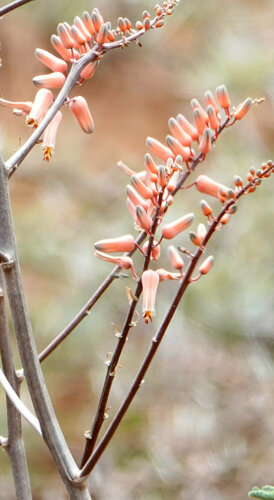
iNaturalist· cc-by
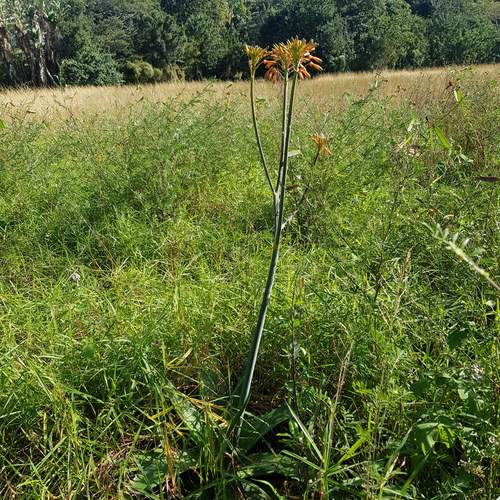
(c) shinkimmm, some rights reserved (CC BY)
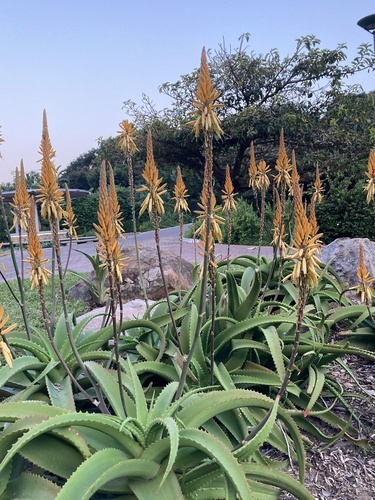
iNaturalist· cc-by-nc
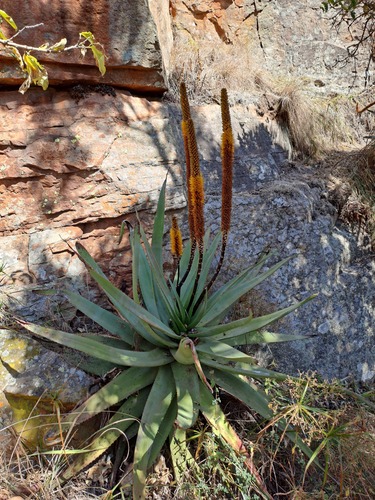
(c) Bolinas Frank, some rights reserved (CC BY-NC)
iNaturalist· cc-by-nc
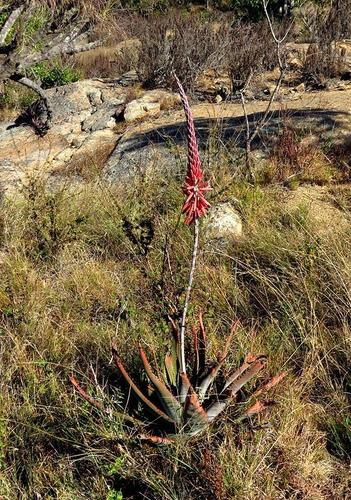
(c) Bolinas Frank, some rights reserved (CC BY-NC)
Summary
Source: WikipediaHemerocallis hakuunensis, known as Baekunsan daylily, is a species in the family Asphodelaceae, native to Korea, and Japan. This plant was first described by Takenoshin Nakai in 1943 Its Korean name is Baegunsan wonchuri (백운산원추리). Baegunsan (백운산) is the name of several mountains. The word wonchuri (원추리) refers to a variety of daylily species in Korean, and H. hakuunensis is the most commonly encountered and gastronomically consumed daylily species in Korea.
Description
A temperate daylily in the Xanthorrhoeaceae family with edible flowers, leaves, and roots.
This description is brief — help expand it
Edible Uses
The flowers, leaves, and roots are edible.
Distribution
It is a temperate plant.
Where It Grows
Asia, Korea,
Notes
There are about 15 Hemerocallis species. Also put in the family Hemerocallidaceae.
Synonyms
References (2)
- J. Jap. Bot. 19:315. 1943 (As Hemerocallis micrantha)
- Plants for a Future database, The Field, Penpol, Lostwithiel, Cornwall, PL22 0NG, UK. http://www.scs.leeds.ac.uk/pfaf/ (As Hemerocallis micrantha)