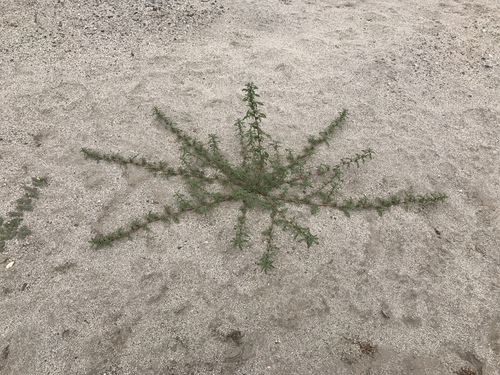
Haloxylon salicornicum
(Moq.) Bunge ex Boiss.
Lana, Desi
iNaturalist· cc-by-nc
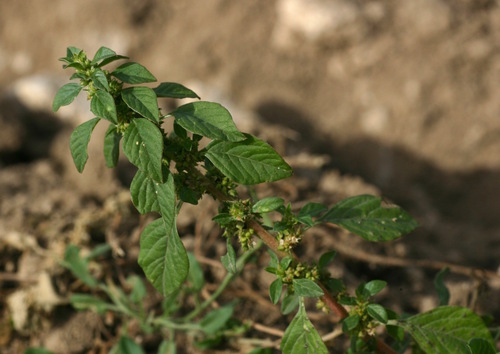
(c) John Pereira, some rights reserved (CC BY-NC), uploaded by John Pereira
iNaturalist· cc-by-nc
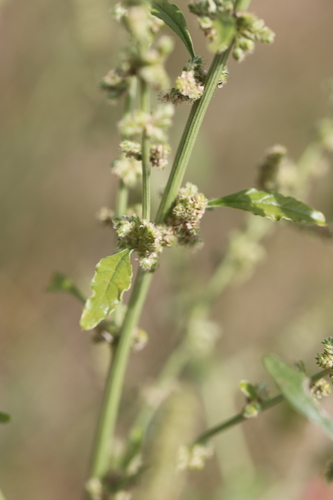
(c) Radha Veach, some rights reserved (CC BY-NC)
iNaturalist· cc-by-nc
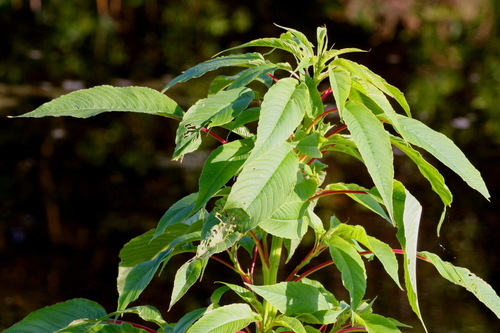
(c) Radha Veach, some rights reserved (CC BY-NC)
Summary
Source: WikipediaHaloxylon salicornicum is a salt tolerant, drought tolerant, desert shrub belonging to the family Amaranthaceae. It is a desert shrub and is found in Palestine, Syria, Jordan, Egypt, Saudi Arabia, Kuwait, Oman, United Arab Emirates, Afghanistan and Pakistan.
Description
A small shrub. They keep growing from year to year. It is pale and has many branches. It is almost without leaves. It grows up to 60 cm tall. The leaves are reduced to small triangle shaped scales. The flowers are in 3-6 cm long spikes. The flowers are creamy white.
Edible Uses
The seeds are mixed with other grains for making bread. The plant also produces an edible gum.
Traditional Uses
The seeds are mixed with other grains for making bread.
This uses section is brief — help expand it
Distribution
It is a Mediterranean climate plant. It can grow in salty soils and near the bases of dunes. It grows in desert.
Where It Grows
Afghanistan, Africa, Arabia, Asia, Egypt, India, Iran, Jordan, Kuwait, Mediterranean, Middle East, Pakistan, Palestine, Qatar, Saudi Arabia,
Notes
Chemical composition (after Hooper): Albumenoids = 11.12% (dry). Ash = 15.21% (dry). Nitrogen = 1.78% (dry). Phosphoric acid = 13% (dry). Silicates = .21% (dry). Also put in the family Chenopodiaceae.
Synonyms
Also Known As
Hammada elegance, Hand, Remith, Rimth
References (8)
- Ambasta, S.P. (Ed.), 2000, The Useful Plants of India. CSIR India. p 256
- Fl. orient. 4:949. 1879
- GUPTA & KANODIA,
- HOOPER,
- Joshi, A., et al, 2018, Halophytes of Thar Desert: Potential source of nutrition and feedstuff. International Journal of Bioassays 8.1 (2018) pp. 5674-5683
Show all 8 references Hide references
- Mandaville, J. P., 2004, Bedouin ethnobotany: Plant concepts and plant use in a desert pastoral world. PhD thesis University of Arizona. p 169
- SAXENA,
- World Checklist of Useful Plant Species 2020. Royal Botanic Gardens, Kew