Glycyrrhiza glabra
L.
Liquorice, Licorice
iNaturalist· cc-by-nc
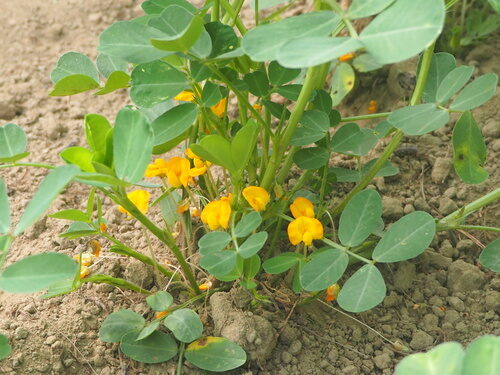
(c) J. IGNASI, some rights reserved (CC BY-NC), uploaded by J. IGNASI
iNaturalist· cc-by-nc
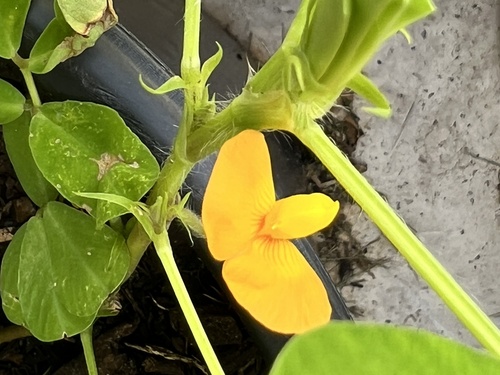
(c) Наталья Бешко, some rights reserved (CC BY-NC)
iNaturalist· cc-by-nc-sa
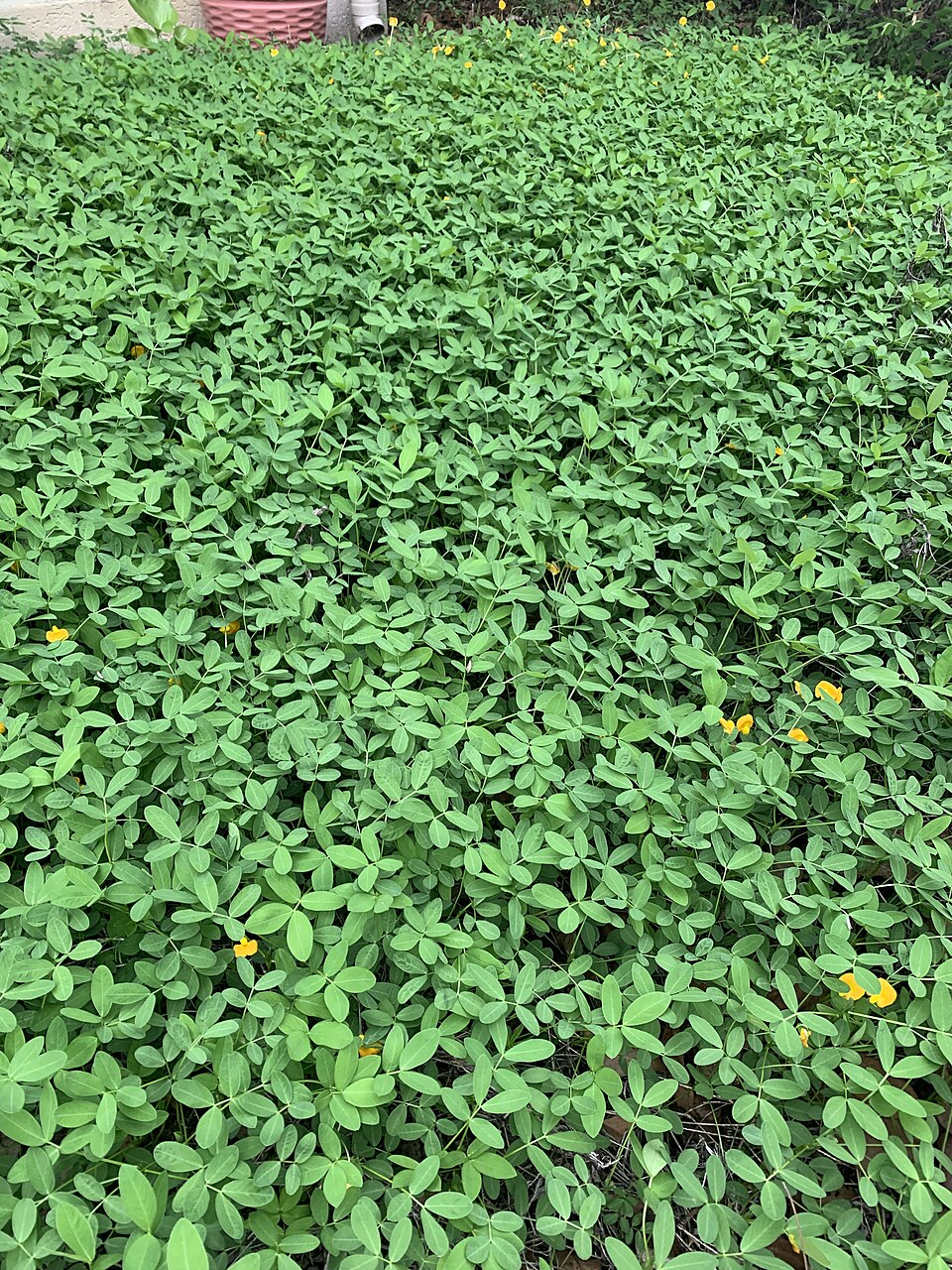
(c) Belinda Lo, some rights reserved (CC BY-NC-SA), uploaded by Belinda Lo
Summary
Source: WikipediaGlycyrrhiza glabra is a perennial herbaceous plant reaching 1.2 m tall with a spread of 1 m. Hardy to UK zone 8, it flowers from June to July with hermaphroditic insect-pollinated blooms. The plant grows well in light sandy or medium loamy soils across a range of pH values from mildly acidic to mildly alkaline. It tolerates semi-shade or full sun, prefers consistently moist soil, and withstands strong winds but not salt spray exposure.
Description
A hardy deciduous perennial herb or bush. It grows to 1-2 m tall. It has a clump of straight woody stalks. It has a deep taproot. It also has spreading stolons just under the ground surface. It has spreading leaves with leaflets along the stalk. The plant loses its leaves during the winter. The flowers are in a cluster and are blue and pea like. The pods are flat and 2-3 cm long. They turn brown at maturity. The pods contain between 1 and 7 kidney shaped seeds. They are brown and very small.
Edible Uses
The root is eaten raw or used as a flavouring. It is the source of liquorice powder, extracted for use in sweets, baked goods, ice cream, and soft drinks, as well as medicinally. The flavour is sweet and delicious, though the root itself is very fibrous. It contains glycyrrhizin, a compound 50 times sweeter than sucrose. The dried root is good for chewing — excellent for teething children and as a tooth cleaner — and the powdered root can sweeten other herbal teas. A tea made from the roots is an excellent thirst quencher. In Mongolia, the leaves are used as a tea substitute.
Traditional Uses
The extract from the roots is used to flavour foods which are eaten. The sweet root is chewed. It is the source of licorice. The root is used to flavour drinks. The leaves are used for tea.
Medicinal Uses
Liquorice is one of the most commonly used herbs in Western herbal medicine, with a very long history of use as both a medicine and a flavouring to disguise unpleasant-tasting remedies. It is a sweet, moist, soothing herb that detoxifies and protects the liver and is powerfully anti-inflammatory, with applications ranging from arthritis to mouth ulcers. The root is alterative, antispasmodic, demulcent, diuretic, emollient, expectorant, laxative, moderately pectoral, and tonic, and has been shown to have a hormonal effect similar to the ovarian hormone. It is widely used in cough medicines and in treating catarrhal infections of the urinary tract. Internally it is taken for Addison's disease, asthma, bronchitis, coughs, peptic ulcer, arthritis, allergic complaints, and following steroidal therapy. It should be used in moderation and should not be prescribed for pregnant women or those with high blood pressure, kidney disease, or who are taking digoxin-based medication; prolonged use raises blood pressure and causes water retention. Externally, the root is used to treat herpes, eczema, and shingles. Roots are harvested in autumn when 3–4 years old and dried for later use. The German Commission E Monographs approve Glycyrrhiza glabra for coughs, bronchitis, and gastritis.
Known Hazards
The major dose-limiting toxicities of liquorice are corticosteroid in nature, because of the inhibitory effect that its chief active constituents, glycyrrhizin and enoxolone, have on cortisol degradation, and include oedema, hypokalaemia, weight gain or loss, and hypertension.
Distribution
It does well in warm temperate and subtropical climates. It grows well in areas suitable for citrus. It needs a deep light soil. It needs a sunny position. It can tolerate drought. It can grow in arid places. It suits hardiness zones 7-9.
Where It Grows
Afghanistan, Africa, Albania, Algeria, Armenia, Australia, Austria, Asia, Azerbaijan, Balkans, Bosnia, Britain, Bulgaria, Canada, Caucasus, Central Asia, China, Crete, Cyprus, Czech Republic, Egypt, England, Europe, France, Georgia, Germany, Greece, Hungary, India, Indochina, Iran, Iraq, Israel, Italy, Jordan, Kazakhstan, Kyrgyzstan, Laos, Lebanon, Libya, Macedonia, Maldives, Mediterranean, Middle East, Moldova, Mongolia, Myanmar, North Africa, North America, Pakistan, Palestine, Portugal, Romania, Russia, SE Asia, Serbia, Sicily, Slovakia, Slovenia, South Africa, Southern Africa, Spain, Switzerland, Syria, Tajikistan, Tasmania, Turkey, Türkiye, Turkmenistan, USA, Uzbekistan, Vietnam, Yugoslavia,
Cultivation
Requires a deep well cultivated fertile moisture-retentive soil for good root production. Prefers a sandy soil with abundant moisture and does not flourish in clay. Slightly alkaline conditions produce the best plants. The plant thrives in a maritime climate. Plants are hardy to about -15°c. Liquorice is often cultivated for its edible root which is widely used in medicine and as a flavouring. There are some named varieties. The ssp. glandulifera grows in Russia and produces adventitious roots up to 10 cm thick. Yields of 10 - 12 tonnes per hectare were considered good in the early 20th century, this only being attained in the fourth year of growth. Unless seed is required, the plant is usually prevented from flowering so that it puts more energy into producing good quality roots. The bruised root has a characteristic sweet pungent smell. Plants are slow to settle in and do not produce much growth in their first two years after being moved. The young growth is also very susceptible to damage by slugs and so the plant will require some protection for its first few years. A fairly deep-rooting plant, the roots are up to 120cm long. It can be difficult to eradicate once it is established. This species has a symbiotic relationship with certain soil bacteria, these bacteria form nodules on the roots and fix atmospheric nitrogen. Some of this nitrogen is utilized by the growing plant but some can also be used by other plants growing nearby.
Propagation
Pre-soak seed for 24 hours in warm water, then sow in spring or autumn in a greenhouse. Prick out seedlings into individual pots when large enough to handle and grow on through their first winter under glass. Plant out in late spring or early summer when in active growth. Plants are rather slow to grow from seed. Divide roots in spring or autumn, ensuring each division has at least one growth bud. Autumn divisions can be replanted immediately or stored in clamps until spring. Pot up smaller divisions and grow them on in a cold frame until established before planting out in spring or summer.
Other Uses
The plant yields a substance used for etching steel sections in photomicrographic work. Root extracts are used as a foaming agent in beers and fire extinguishers. A fibre obtained from the roots — usable after medicinal and flavouring constituents have been removed — is employed in insulation, wallboard, and boxboard manufacture. The plant acts as a dynamic accumulator, gathering minerals and nutrients from the soil and storing them in a more bioavailable form for use as fertilizer or mulch improver.
Production
Plants make slow growth during the first two years. Plants are ready for harvesting in the third or fourth year. The plant is harvested and the roots washed then cut into 30-60 cm long lengths. Roots can be sold or used fresh or dried. The roots are finely cut or crushed to produce a pulp. The material is then boiled and evaporated to produce an extract.
Other Information
Much licorice sold is an artifical product. Licorice contains glycyrrhizin which is 50 times sweeter than sucrose. It is a cultivated food plant.
Notes
There are about 18 Glycyrrhiza species. It has anticancer properties. It is also useful for its anti-diabetic benefits.
Nutrition
| Part | Moisture | kJ | kcal | Protein | Vit A | Vit C | Iron | Zinc |
|---|---|---|---|---|---|---|---|---|
| Roots | 9.2 | 886 | 212 | 6.3 | 0 | 0 | 49.8 | — |
Synonyms
Also Known As
Athimathuram, Atimadhura, Atimadhuramu, Atimaduram, Ava suse, Biyam bali, Biyan, Camthao, Dzirt'k'bila, Gan cao, Golostebelni sladki koren, Iarba dulce, Iratimadhuram, Jaishbodomodhu, Jashtimadhu, Jestha madha, Jethi Madh, Jethi madha, Jethi-madh, Kan ts'ao, Lakritze, Lakritzpflanze, Liquirizia, Madhuka, Matutak, Meyan, Mithi lakdi, Mulhatti, Orozuz, Palidu, Palodu, Palodulce, Regalissia, Regaliz, Regaliz, Reglisse, Siribiyan, Sladic, Sus, Suus, Sweetroot, Sweetwood, Thinbaw-nwecho, Yashti madhuka, Yashti-madhu, Yashtimadhukam
References (74)
- Ali-Shtayeh, M. S., et al, 2008, Traditional knowledge of wild edible plants used in Palestine (Northern West Bank): A comparative study. J Ethnobiol Ethnomed. 4: 13
- Al-Qura'n, S. A., 2010, Ethnobotanical and Ecological Studies of Wild Edible Plants in Jordan. Libyan Agriculture Research Center Journal International 1(4):231-243
- Ambasta, S.P. (Ed.), 2000, The Useful Plants of India. CSIR India. p 240
- Bianchini, F., Corbetta, F., and Pistoia, M., 1975, Fruits of the Earth. Cassell. p 210
- Blamey, M and Grey-Wilson, C., 2005, Wild flowers of the Mediterranean. A & C Black London. p 87
Show all 74 references Hide references
- Bodkin, F., 1991, Encyclopedia Botanica. Cornstalk publishing, p 500
- Bonet, M. A. & Valles, J., 2002, Use of non-crop food vascular plants in Montseny biosphere reserve (Catalonia, Iberian Peninsula). International Journal of Food Sciences and Nutrition (2002) 53, 225–248
- Bremness, L., 1994, Herbs. Collins Eyewitness Handbooks. Harper Collins. p 175
- Brickell, C. (Ed.), 1999, The Royal Horticultural Society A-Z Encyclopedia of Garden Plants. Convent Garden Books. p 478
- Brouk, B., 1975, Plants Consumed by Man. Academic Press, London. p 309
- Brown, D., 2002, The Royal Horticultural Society encyclopedia of Herbs and their uses. DK Books. p 224
- Burkill, I.H., 1966, A Dictionary of the Economic Products of the Malay Peninsula. Ministry of Agriculture and Cooperatives, Kuala Lumpur, Malaysia. Vol 1 (A-H) p 1104
- Bussman, R. W., et al, 2016, A comparative ethnobotany of Khevsureti, Samtskhe-Javakheti, Tusheti, Svaneti, and Racha-Lechkhumi, Republic of Georgia (Sakartvelo), Caucasus. Journal of Ethnobiology and Ethnomedicine (2016) 12:4
- Bussman, R. W., et al, 2021, Unity in diversity—food plants and fungi of Sakartvelo (Republic of Georgia), Caucasus. Journal of Ethnobiology and Ethnomedicine (2021) 17:72 p 9
- Cakir, E. A., 2017, Traditional knowledge of wild edible plants of Iğdır Province (East Anatolia, Turkey). Acta Soc Bot Pol. 2017;86(4):3568.
- Cheifetz, A., (ed), 1999, 500 popular vegetables, herbs, fruits and nuts for Australian Gardeners. Random House p 128
- Ciocarlan, N. & Ghendov, V., 2015, Ethnobotanical and Ecological Studies of Wild Edible Plants from Bugeac Steppe, Republic of Moldova. Journal of EcoAgriTourism. Cailta terra Vol. 11(2):
- Cundall, P., (ed.), 2004, Gardening Australia: flora: the gardener's bible. ABC Books. p 644
- Demir, I. & Ayaz, N., 2022, Wild edible plants contributing to the traditional foods of Mardin (Turkey) Province. Indian Journal of Traditional Knowledge Vol 21(3), July 2022, pp 569-582
- Denes, A., et al, 2012, Wild plants used for food by Hungarian ethnic groups living in the Carpathian Basin. Acta Societatis Botanicorum Poloniae 81 (4): 381-396
- Dogan, Y., et al, 2004, The Use of Wild Edible Plants in Western and Central Anatolia (Turkey). Economic Botany 58(4) pp. 684-690
- Ertug, F, Yenen Bitkiler. Resimli Türkiye Florası -I- Flora of Turkey - Ethnobotany supplement
- Facciola, S., 1998, Cornucopia 2: a Source Book of Edible Plants. Kampong Publications, p 105
- Flora of Pakistan. www.eFloras.org
- Gabrielian, E. & Zohary, D.: Wild relatives of food crops native to Armenia and Nakhichevan. — Fl. Medit. 14: 5-80. 2004. — ISSN 1120-4052.
- Gouldstone, S., 1983, Growing your own Food-bearing Plants in Australia. Macmillan p 190
- Hedrick, U.P., 1919, (Ed.), Sturtevant's edible plants of the world. p 331
- Hemphill, I, 2002, Spice Notes. Macmillan. p 231
- Heywood, V. H. & Zohary, D.,1995, A Catalogue of the Wild Relatives of Cultivated Plants Native to Europe. Flora Mediterranea 5 - 1995, p 396
- Hibbert, M., 2002, The Aussie Plant Finder 2002, Florilegium. p 112
- Hu, Shiu-ying, 2005, Food Plants of China. The Chinese University Press. p 475
- Ibanoglu, E. and Ibanoglu, S., 2000, Foaming behaviour of liquorice (Glycrrhiza glabra) extract. Food Chemistry 70: 333-336
- ILDIS Legumes of the World http:www:ildis.org/Legume/Web
- Jackes, D. A., Edible Forest Gardens
- Jardin, C., 1970, List of Foods Used In Africa, FAO Nutrition Information Document Series No 2.p 22
- Kargioglu, M. et al, 2010, Traditional Uses of Wild Plants in the Middle Aegean Region. Human Ecology 38:429-450
- Kaya, O. M., et al, 2020, An ethnobotanical research in Sanhurfa central district and attached Villages (Turkey). Indian Journal of Traditional Knowledge. Vol. 19(1) pp 7-23
- Kintzios, S. E., 2006, Terrestrial Plant-Derived Anticancer Agents and Plant Species Used in Anticancer research. Critical Reviews in Plant Sciences. 25: pp 79-113
- Kiple, K.F. & Ornelas, K.C., (eds), 2000, The Cambridge World History of Food. CUP p 433, 1802
- Kybal, J., 1980, Herbs and Spices, A Hamlyn Colour Guide, Hamlyn Sydney p 102
- Lazarides, M. & Hince, B., 1993, Handbook of Economic Plants of Australia, CSIRO. p 122
- Licata, M., et al, 2016, A survey of wild plant species for food use in Sicily (Italy) – results of a 3-year study in four Regional Parks. Journal of Ethnobiology and Ethnomedicine 12:12
- Lim, T. K., 2015, Edible Medicinal and Non Medicinal Plants. Volume 9, Modified Stems, Roots, Bulbs. Springer p 44
- Lyle, S., 2006, Discovering fruit and nuts. Land Links. p 231
- Morley, B. & Everard, B., 1970, Wild Flowers of the World. Ebury press. Plate 29
- Mulherin, J., 1994, Spices and natural flavourings. Tiger Books, London. p 57
- Nanagulyan, S., et al, 2020, Wild plants and fungi sold in the markets of Yerevan (Armenia). Journal of Ethnobiology and Ethnomedicine 16:26
- Pasta, S., et al, 2020, An Updated Checklist of the Sicilian Native Edible Plants: Preserving the Traditional Ecological Knowledge of Century-Old Agro-Pastoral Landscapes. Frontiers in Plant Science. Volume 11|Article 388
- Pham-Hoang Ho, 1999, An Illustrated Flora of Vietnam. Nha Xuat Ban Tre. p 976
- Pieroni, A., et al, 2005, Food for two seasons: Culinary uses of non-cultivated local vegetables and mushrooms in a south Italian village. International Journal of Food Sciences and Nutrition, 56(4): 245-272
- Plants for a Future database, The Field, Penpol, Lostwithiel, Cornwall, PL22 0NG, UK. http://www.scs.leeds.ac.uk/pfaf/
- Polat, R., et al, 2015, Survey of wild food plants for human consumption in Elazig (Turkey). Indian Journal of Traditional Knowledge. Vol. 1(1): 69-75
- Polat, R., et al, 2017, Survey of wild food plants for human consumption in Bingol, (Turkey). Indian Journal of Traditional Knowledge. Vol. 16(3) July 2017, pp. 378-384
- Redzic, S. J., 2006, Wild Edible Plants and their Traditional Use in the Human Nutrition in Bosnia-Herzegovina. Ecology of Food and Nutrition, 45:189-232
- Rivera, C., et al, 2005, The Ethnobotanical Study of Local Mediterranean Food Plants as Medicinal Resources in Southern Spain. Journal of Physiologyand Pharmacology. 56, Suppl. 1, 97-114
- Royal Botanic Gardens, Kew (1999). Survey of Economic Plants for Arid and Semi-Arid Lands (SEPASAL) database. Published on the Internet; http://www.rbgkew.org.uk/ceb/sepasal/internet [Accessed 29th April 2011]
- Ruiters-Welcome, A. K., 2019, Food plants of southern Africa. Ph.D. thesis. Univ. of Johannesburg p 58
- Samydurai, P., et al, 2012, Wild habits of Kolli Hills being staple food of inhabitant tribes of eastern Ghats, Tamil Nadu, India. Indian Journal of Natural Products and Resources. 3(3) September 2012 pp 432-437
- Sansanelli, S., et al, 2017, Ethnobotanical survey of wild food plants traditionally collected and consumed in the Middle Agri Valley (Basilicata region, southern Italy). Journal of Ethnobiology and Ethnomedicine (2017) 13:50
- Seidemann J., 2005, World Spice Plants. Economic Usage, Botany, Taxonomy. Springer. p 169
- Smith, P.M., 1979, Liquorice, in Simmonds, N.W., (ed), Crop Plant Evolution. Longmans. London. p 312
- Sp. pl. 2:742. 1753
- Tardio, J., et al, Ethnobotanical review of wild edible plants in Spain. Botanical J. Linnean Soc. 152 (2006), 27-71
- Tukan, S. K., et al, 1998, The use of wild edible plants in the Jordanian diet. International Journal of Food Sciences and Nutrition. 49:225-235
- Urgamal, M., Oyuntsetseg, B., Nyambayar, D. & Dulamsuren, Ch. 2014. Conspectus of the vascular plants of Mongolia. (Editors: Sanchir, Ch. & Jamsran, Ts.). Ulaanbaatar, Mongolia. “Admon“ Press. 334pp. (p. 121-143).
- van Wyk, B., 2005, Food Plants of the World. An illustrated guide. Timber press. p 202
- van Wyk, Be., & Gericke, N., 2007, People's plants. A Guide to Useful Plants of Southern Africa. Briza. p 104
- van Wyk, Ben-Erik, 2019, The diversity and multiple uses of southern African legumes. Australian Systematic Botany, 2019, 32, 519–546
- Welcome, A. K. & Van Wyk, B.-E., 2019, An inventory and analysis of the food plants of southern Africa. South African Journal of Botany 122 (2019) 136–179
- Wiersema, J. H. & Leon, B., 2013, World Economic Plants. A Standard Reference CRC Press. 2nd Ed. p 328
- World Checklist of Useful Plant Species 2020. Royal Botanic Gardens, Kew
- Yesil, Y., et al, 2019, Wild edible plants in Yeşilli (Mardin-Turkey), a multicultural area. Journal of Ethnobiology and Ethnomedicine (2019) 15:52
- Yesil, Y., et al, 2019, Traditional knowledge of wild edible plants in Hasankeyf (Batman Province, Turkey). Acta Societatis Botanicorum Poloniae. 88(3):3633
- Zeven, A. C. & de West, J. M. J., 1982, Dictionary of cultivated plants and their regions of diversity. Wageningen. p 113