Allenrolfea occidentalis
(S. Watson) Kuntze
Iodine bush, Pickleweed
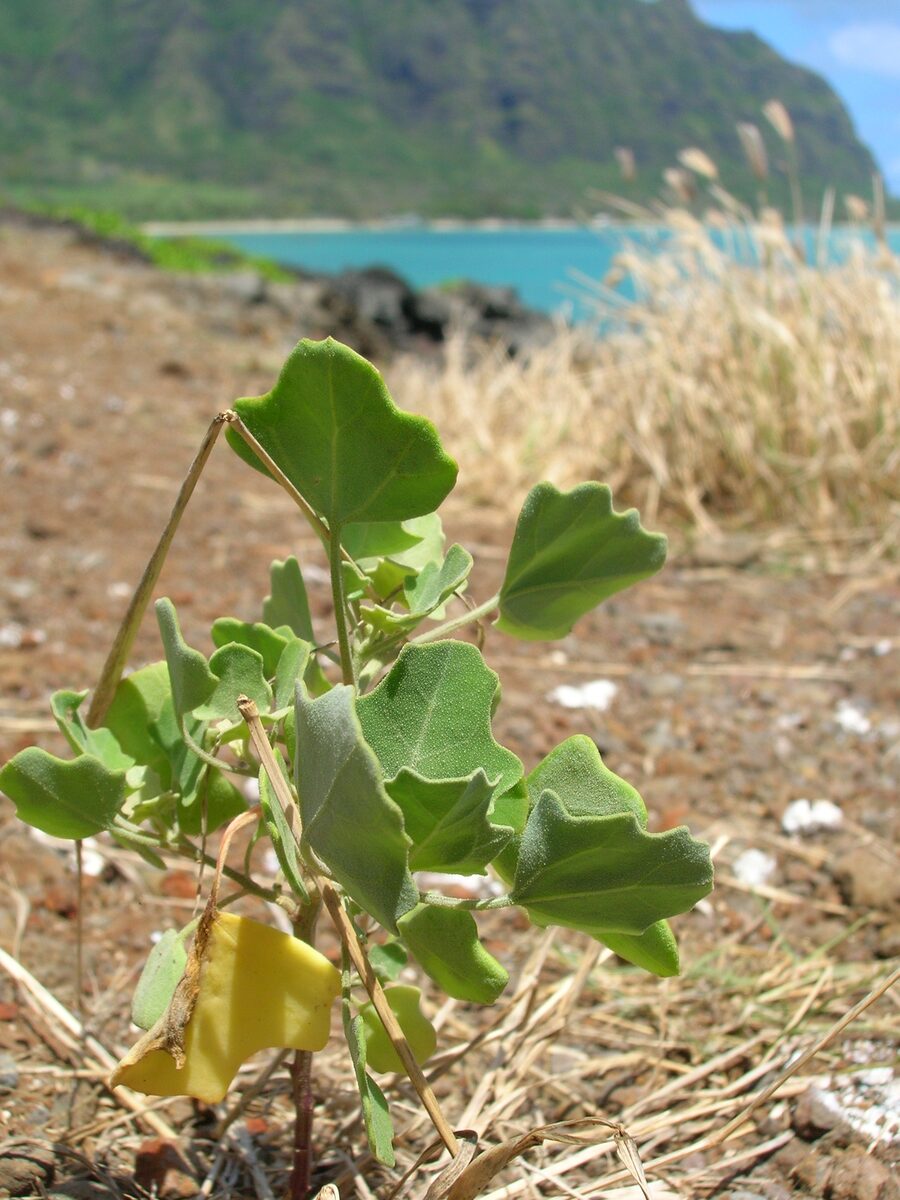
iNaturalist· cc-by-nc
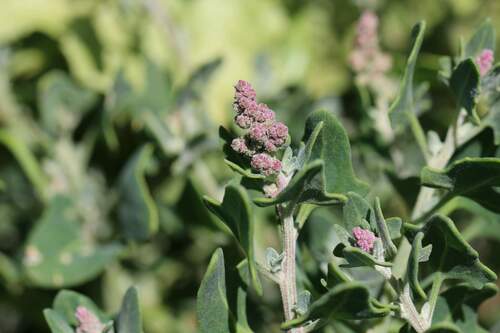
(c) Liliana Ortiz Serrato, some rights reserved (CC BY-NC), uploaded by Liliana Ortiz Serrato
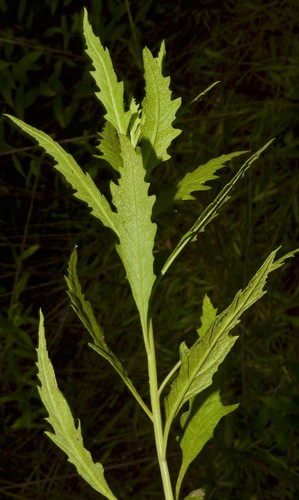
iNaturalist· cc-by-nc
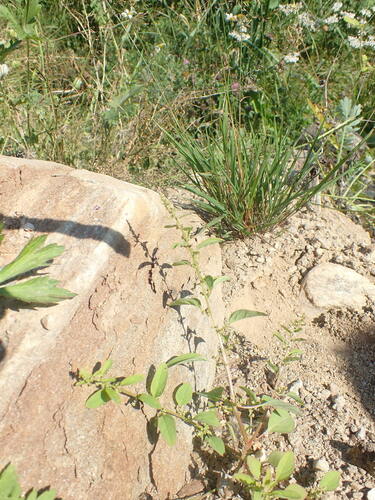
(c) Christian Schwarz, some rights reserved (CC BY-NC), uploaded by Christian Schwarz
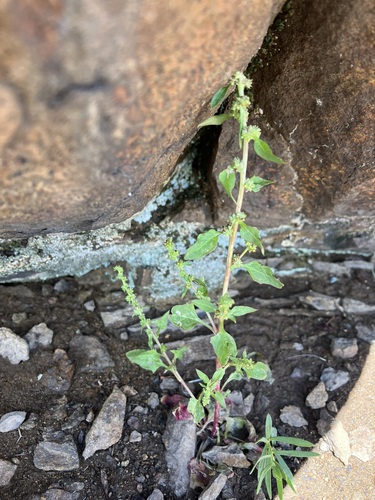
iNaturalist· cc-by-nc
(c) Christian Schwarz, some rights reserved (CC BY-NC), uploaded by Christian Schwarz
Summary
Source: WikipediaAllenrolfea occidentalis, the iodine bush, is a low-lying shrub of the Southwestern United States, California, Idaho, and northern Mexico. It grows in sandy, often salty, distinctly alkaline soils, such as desert washes and saline dry lakebeds. It is a common halophyte member of the alkali flat ecosystem.
Description
Low shrub growing to 0.5 m tall by 0.4 m wide at medium rate. Hardy to UK zone 7; not frost tender. Wind-pollinated flowers. Noted for attracting wildlife. Tolerates light sandy, medium loamy, and heavy clay soils, prefers well-drained, and grows in nutritionally poor soil. Neutral to basic (mildly alkaline) pH; grows in very alkaline and saline soils. Cannot tolerate shade. Prefers dry or moist soil and tolerates drought. Evergreen to semi-evergreen with fleshy growth most active in warm seasons. Flowers and seeds typically late summer to autumn.
Edible Uses
The seeds are the primary edible part and were once a staple food for Native Americans in the Great Basin. Small and brown with a mild whole-grain flavour, they lack the musty character of many goosefoot relatives. Seeds mature from August to December and can be collected in large quantities by gently tapping the dried, brittle stem tips. Processing is straightforward: the papery capsules crumble away and the seeds can be winnowed clean, then toasted, boiled, or ground into flour. Traditionally they were made into porridges, flatbreads, and seed cakes, and rank among the most significant ancient desert grains. The young stem tips are also edible raw or cooked, but are extremely salty and contain oxalic acid; they should be eaten only in moderation and preferably boiled to reduce saltiness and potential irritation. Older stems become woody and are unsuitable. Dried stem tips can also be chopped and used as a salty seasoning substitute.
Traditional Uses
The young salty stems can be eaten raw in small amounts. They are used as a cooked green. The seeds can be eaten.
This uses section is brief — help expand it
Medicinal Uses
None Known
Distribution
It is a temperate plant.
Where It Grows
America, North America, USA,
Propagation
Propagated by seed or semi-woody cuttings; seed germination improves under saline conditions.
Other Uses
This plant is an ecological specialist and a valuable restoration asset, forming compact, durable shrubs well suited to extreme-salinity reclamation. It provides cover and structure for small mammals and birds on otherwise barren flats, and its seeds and associated invertebrates offer food resources for wildlife. It contributes to salt and water table dynamics. Pollination is largely wind-mediated with minor insect visitation.
Notes
There are 3 Allenrolfia species. Also put in the family Chenopodiaceae.
Synonyms
References (3)
- Beckstrom-Sternberg, Stephen M., and James A. Duke. "The Foodplant Database." http://probe.nalusda.gov:8300/cgi-bin/browse/foodplantdb.(ACEDB version 4.0 - data version July 1994)
- Heywood, V.H., Brummitt, R.K., Culham, A., and Seberg, O. 2007, Flowering Plant Families of the World. Royal Botanical Gardens, Kew. p 96 (Genus)
- World Checklist of Useful Plant Species 2020. Royal Botanic Gardens, Kew