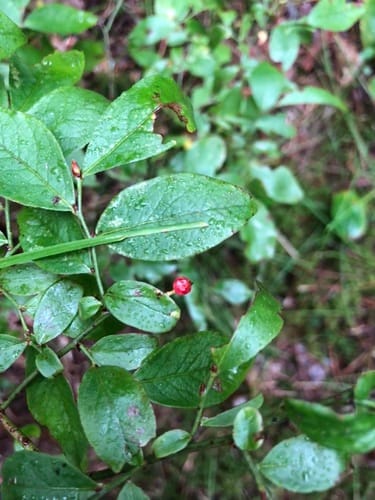
Gaultheria pumila
(L.f.) Middleton
Chaura
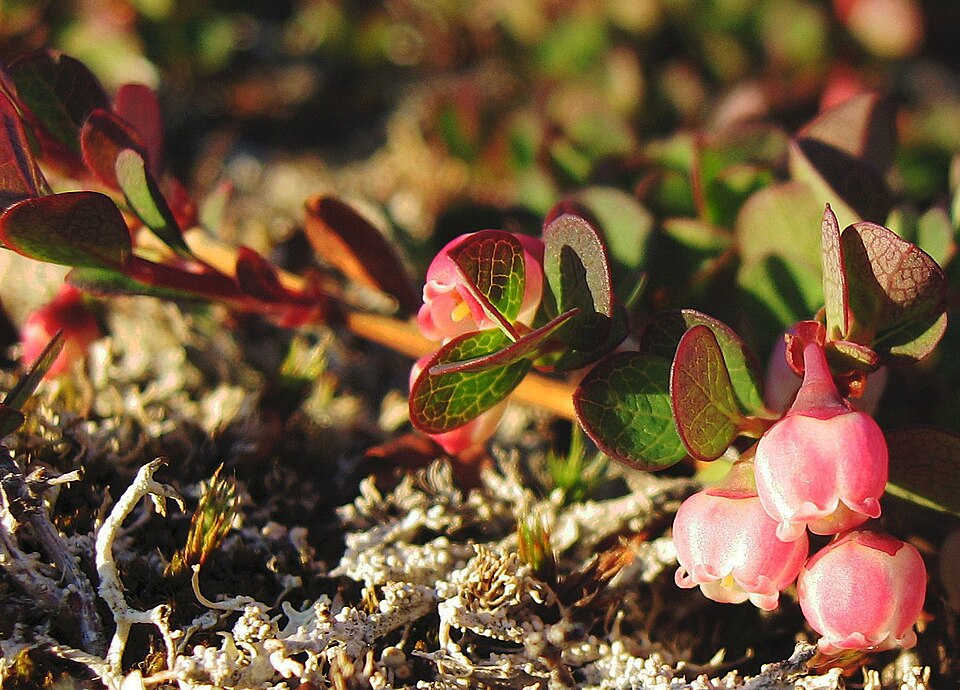
iNaturalist· cc-by
(c) Andrew Thornhill, some rights reserved (CC BY)
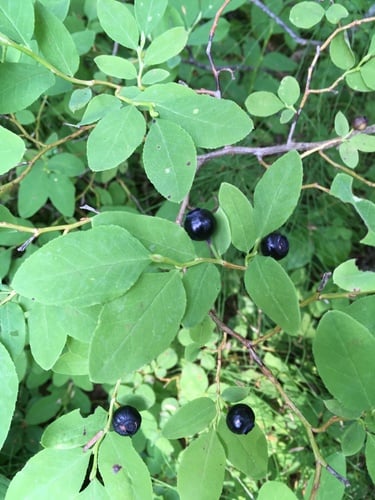
iNaturalist· cc-by-nc
(c) Sebastián Lescano, some rights reserved (CC BY-NC)
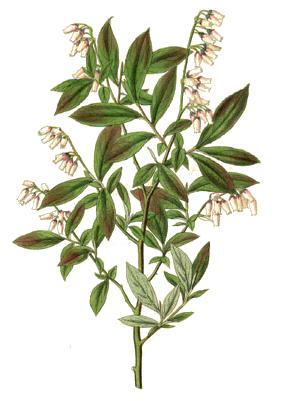
iNaturalist· cc-by-nc
(c) Damon Tighe, some rights reserved (CC BY-NC)
Summary
Evergreen shrub growing slowly to 10cm tall and 60cm wide. Hardy to UK zone 7. Year-round foliage, flowering April–May. Dioecious with separate male and female plants required for seed production; insect-pollinated and not self-fertile. Tolerates light sandy and medium loamy soils, preferring well-drained conditions. Grows in semi-shade to full sun, thriving in mildly acid to very acid soils. Prefers moist soil.
Description
A shrub. It grows 80 cm high. The flowers are white and have 5 petals. The fruit are white or pink. They are oval and 6-12 mm across.
This description is brief — help expand it
Edible Uses
The fruit can be eaten raw or cooked, used in the same way as huckleberries, and grows up to 22mm in diameter.
Medicinal Uses
None known.
Distribution
It is a temperate plant. In Chile it can grow at low altitudes and also at high altitudes. It can tolerate wet and dry soil. It usually grows in humid areas with constant rainfall. It can grow in some shade. In Argentina it grows from sea level to 1,000 m above sea level. It suits hardiness zone 7. It can tolerate frost and snow.
Where It Grows
Argentina - Falklands, Britain, Chile, Europe, South America*,
Propagation
Seed requires cold stratification — pre-chill for 4–10 weeks, then surface sow in lime-free compost in a shady part of the greenhouse and keep the compost moist. Germination is usually good, typically within 1–2 months at 20°C, but seedlings are prone to damping off. Water carefully, ensure good ventilation, and watering with a garlic infusion can also help prevent damping off. Prick out seedlings into individual pots when about 25mm tall and grow on in light shade in the greenhouse for at least their first winter. Plant out in late spring or early summer; seedlings are susceptible to spring frosts and may need protection for their first few years outdoors. Leaves remain very small for the first few years. Take cuttings of half-ripe wood 3–6cm long in July/August in a shaded frame; roots form in late summer or spring with a good success rate. For division, do so in spring just before new growth begins. 'Drop' plants 12 months earlier by digging them up and replanting deeper so branches are buried and can root — this works best in sandy soil. Pot up divisions and grow on in a lightly shaded greenhouse until established, then plant out in summer. Layering in September/October takes 12 months.
Other Uses
None known.
Notes
There are about 170 Gaultheria species.
Synonyms
Also Known As
Chaurilla, Mutilla, Shal, Wash, Washege
References (9)
- Altschul, S.V.R., 1973, Drugs and Foods from Little-known Plants. Notes in Harvard University Herbaria. Harvard Univ. Press. Massachusetts. no. 3185 (As Pernettya pumila)
- Chamorro, M. F., & Ladio, A., 2020, Native and exotic plants with edible fleshy fruits utilized in Patagonia and their role as sources of local functional foods. BMC Complementary Medicine and Therapies. 20:155
- Cordero, S. E., Abello, L. A., & Galvez, F. L., 2017, Plantas silvestres comestibles y medicinales de Chile y otras partes del mundo. CORMA p 71
- Leon-Lobos, P., et al, 2022, Patterns of Traditional and Modern Uses of Wild Edible Native Plants of Chile: Challenges and Future Perspectives. Plants (Basel) v 11 (6) Table S1
- Plants for a Future database, The Field, Penpol, Lostwithiel, Cornwall, PL22 0NG, UK. http://www.scs.leeds.ac.uk/pfaf/
Show all 9 references Hide references
- Rapoport, E., H., et al, 2003, Plantas Nativas Comestibles de la Patagonia Andina Argentino/Chilena Parte 1, Department de Ecologi Centro Regional Universitario Briloche p 34
- Upson, R., & Lewis R., 2014, Updated Vascular Plant Checklist and Atlas for the Falkland Islands. Falklands Conservation and Kew.
- Velasquez, P. & Montenegro, G., 2017, Chilean Endemic/Native Plant Resources as Functional and Superfoods. Chp. 6 in Superfood and Functional Food - An Overview of Their Processing and Utilization
- www.chileflora.com