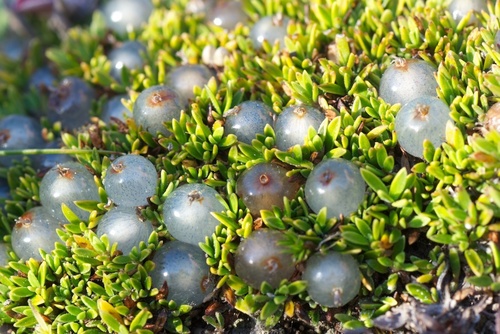
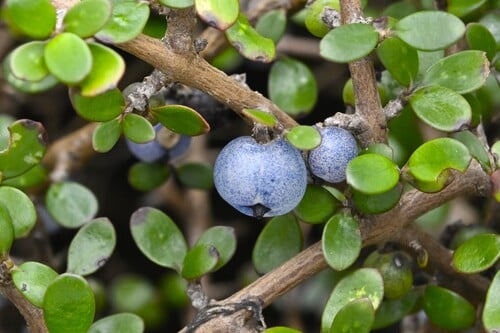
Gardenia aqualla
(Schweinf.) Stapf et Hutch.
iNaturalist· cc-by-nc-sa
(c) Stefan Dressler, some rights reserved (CC BY-NC-SA)
iNaturalist· cc-by-nc
(c) ong_pepiniere_d_afrique, some rights reserved (CC BY-NC)
iNaturalist· cc-by-nc
(c) d_jerome, some rights reserved (CC BY-NC)
Description
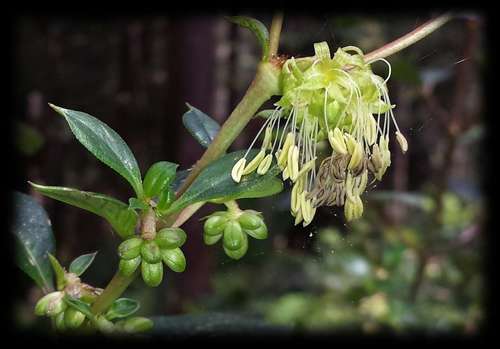
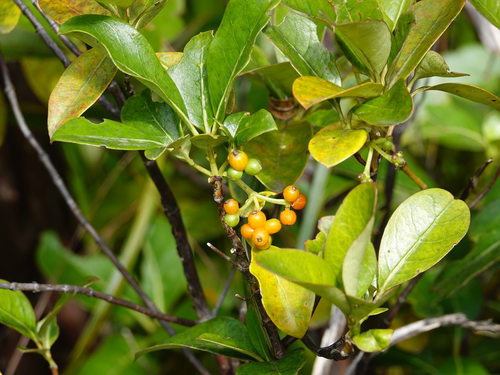
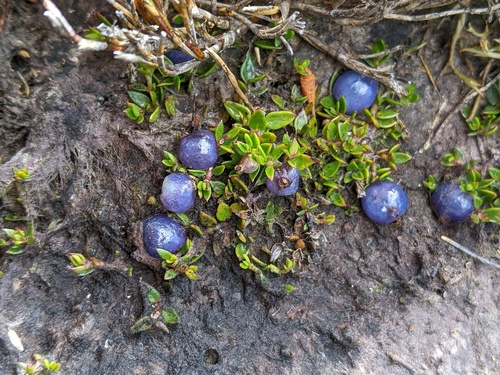
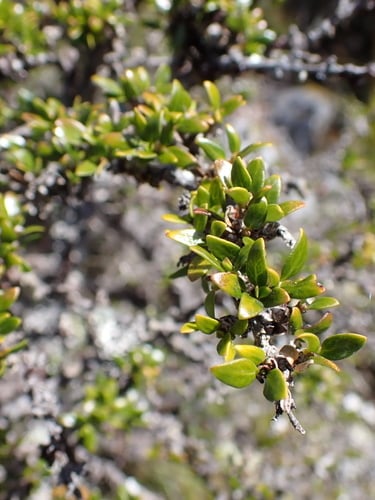
A shrub. It loses its leaves during the year. It grows 2-3 m high. The bark is smooth and yellowish. The branches are hairy. The leaves are in rings and are hairy on both sides. They are oval and 6 cm long by 2 cm wide. The flowers are white to yellow. They are small and 2-4 cm long. They have a straight tube with spreading petals at the end. The fruit is narrowly oval and barrel shaped. They are 4 cm long and yellow.
Edible Uses
The fruit are eaten, especially by children.
Medicinal Uses
The plant is used in the treatment of several ailments including leprosy, oral and ear infections, dysmenorrhea, jaundice, ulcers, diabete, syphilis and cancer. An infusion of the stem bark is used in the treatment of bowel disorders. The roots are used in the treatment of dysmenorrhoea and oral infections. The leaves are used in the treatment of leprosy. The fruits are used in the treatment of ear infections. Phytochemical investigation on this species has revealed the presence of steroids, triterpenes and flavonoids in the petroleum ether extract of the stem bark A methanolic extract of the bark was found to contain anthraquinones, carbohydrates, cardiac glycosides, flavonoids, saponins, steroids, tannins and triterpenes. The stem bark contains several active compounds that inhibit a range of micro-organisms. A methanol extract of the stem bark has shown analgesic and anti- inflammatory activities. The potent antimicrobial, antioxidant and hepatoprotective potential of this plant have been demonstrated.
Distribution
It is a tropical plant. It grows in the African savannah and the Sahel. It is often in shady depressions. It can grow in arid places.
Where It Grows
Africa, Benin, Burkina Faso, Cameroon, Central Africa, Côte d'Ivoire, East Africa, Ghana, Guinea, Guinée, Ivory Coast, Mali, Nigeria, Sahel, Senegal, Sudan, Uganda, West Africa,
Cultivation
The yellow flowers are fragrant.
Other Information
The fruit are eaten especially by children.
Notes
There are about 200 Gardenia species.
Also Known As
Boure ke, Bure, Dazunga, Gaude, Giginya, Yiru
References (6)
- Bonou, A., et al, 2013, Valeur economique des Produits Forestiers Non Ligneux (PFNL) au Benin. Editions Universitaires Europeennes p 98
- Diarra, N. et al, 2016, Etude ethnobotanique des plantes alimentaires utilisées en période de soudure dans les régions Sud du Mali. Int. J. Biol. Chem. Sci. 10(1): 184-197
- INFOODS:FAO/INFOODS Databases
- Jardin, C., 1970, List of Foods Used In Africa, FAO Nutrition Information Document Series No 2.p 139
- Maydell, H. von, 1990, Trees and shrubs of the Sahel: their characteristics and uses. Margraf. p 285
Show all 6 references Hide references
- Moksia, F., et al, 2019, Diversity and Socio-Economic Value of Wild Edible Plants in the Mounts Mandara Region, Cameroon. International Journal of Sciences. Vol. 8:10