Galium triflorum
Michx.
Fragrant bedstraw, Sweet-scented bedstraw
iNaturalist· cc-by-nc
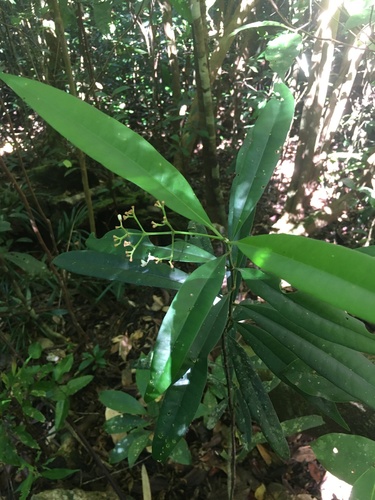
(c) jonas_barzdenas, some rights reserved (CC BY-NC)
iNaturalist· cc-by-nc
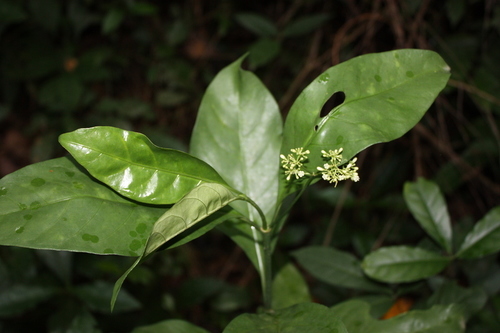
(c) Jason Headley, some rights reserved (CC BY-NC), uploaded by Jason Headley
iNaturalist· cc0
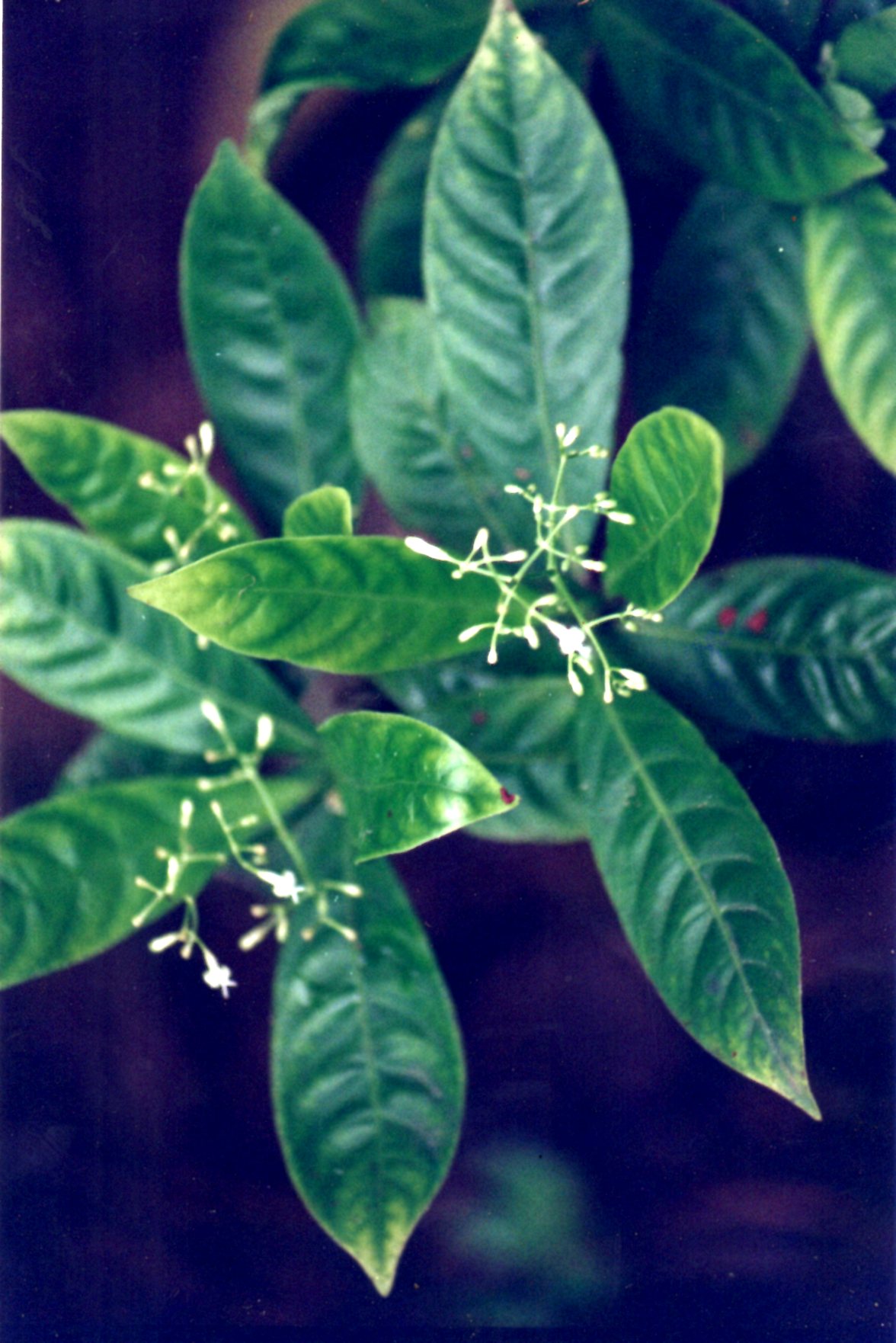
no rights reserved, uploaded by Randal
Summary
Source: WikipediaGalium triflorum (also known as cudweed, sweet-scented bedstraw, and fragrant bedstraw) is a herbaceous plant of the family Rubiaceae. It is widespread in northern Europe (Scandinavia, Switzerland, Russia, Baltic States), eastern Asia (Kamchatka, Japan, Korea, Guizhou, Sichuan), the Middle East and Indian subcontinent (parts of North India and Nepal), and North America (from Alaska and Greenland south to Veracruz). The plant is considered a noxious weed in New York, Pennsylvania, Vermont, New Hampshire, Connecticut and Massachusetts. Galium triflorum grows on the forest floor, spreading vegetatively by means of stolons. It has whorled leaves and single fruiting peduncles rising above basal rosettes. There are six bracts in a whorl below the peduncle. Each peduncle has three fruiting structures, each having a single fuzzy ball. Stems are square in cross-section. The entire vine does not feel very coarse, but it is rough enough to stick to clothing. This species is sometimes confused with Galium odoratum, a species with traditional culinary uses.
Description
A herb. The stems are weak and have many bristles. They fork freely. The leaves are thin and deep green. They are in rings of 6. The flowers are greenish-white. They have long stalks. They are borne in clusters of 3. The fruit are 2 rounded, bristly nutlets.
Edible Uses
The leaves can be eaten raw or cooked. A tea is also made from the flowering stems.
Medicinal Uses
An infusion of the plant has been used to treat gallstones and kidney complaints. A poultice of the whole plant has been used to treat backaches in babies. Both Asperuloside (a terpenoid) and Coumarin (a benzopyrone) occur in some species of Galium. Asperuloside can be converted into prostaglandins, which stimulate the uterus and affect blood vessels, making the genus of significant interest to the pharmaceutical industry.
Distribution
They grow in damp rich woodlands in the Rocky Mountains. In China it grows in mountain forests between 1,500-2,000 m above sea level. In Sichuan.
Where It Grows
Asia, Canada, China, Europe, Japan, Korea, Russia, North America, USA,
Cultivation
Prefers a loose moist leafy soil in some shade. Tolerates dry soils but the leaves quickly become scorched when growing in full sun. This species does not thrive in a hot climate.
Propagation
Seed is best sown in situ as soon as it is ripe in late summer, though spring sowing is possible and germination may be very slow. Divide in spring or throughout the growing season, keeping divisions moist until established. Larger clumps can be replanted directly into permanent positions; smaller clumps are best potted and grown on in a cold frame until rooting well before planting out in spring.
Other Uses
A red dye is obtained from the root. The plant is aromatic and has been crushed and used as a perfume, particularly by women, with the aroma developing as the plant dries. A poultice of the whole plant has been rubbed on the scalp to encourage hair growth. The plant is also used as a stuffing material for mattresses.
Notes
There are about 300 Galium species. There are 60 species in tropical America.
Synonyms
References (4)
- Cormack, R. G. H., 1967, Wild Flowers of Alberta. Commercial Printers Edmonton, Canada. p 323
- MacKinnon, A., et al, 2009, Edible & Medicinal Plants of Canada. Lone Pine. p 269
- Plants for a Future database, The Field, Penpol, Lostwithiel, Cornwall, PL22 0NG, UK. http://www.scs.leeds.ac.uk/pfaf/
- Porsild, A.E., 1974, Rocky Mountain Wild Flowers. Natural History Series No. 2 National Museums of Canada. p 364