Citrus swinglei
Burkill ex Harms
Malayan kumquat, Hedge lime
iNaturalist· cc-by-nc
(c) ellleanorl, some rights reserved (CC BY-NC)
iNaturalist· cc-by-nc
(c) ellleanorl, some rights reserved (CC BY-NC)
Summary
Source: WikipediaCitrus swinglei, the Malayan kumquat, is a species of kumquat; a type of citrus fruit in the genus Citrus, family Rutaceae. It was first described by Burkill ex Harms in 1931. Citrus swinglei, from the Malay Peninsula where it is known as the "hedge lime" (limau pagar), had type E chromosomes. It has a thin peel on larger fruit compared to any other kumquats.
Description
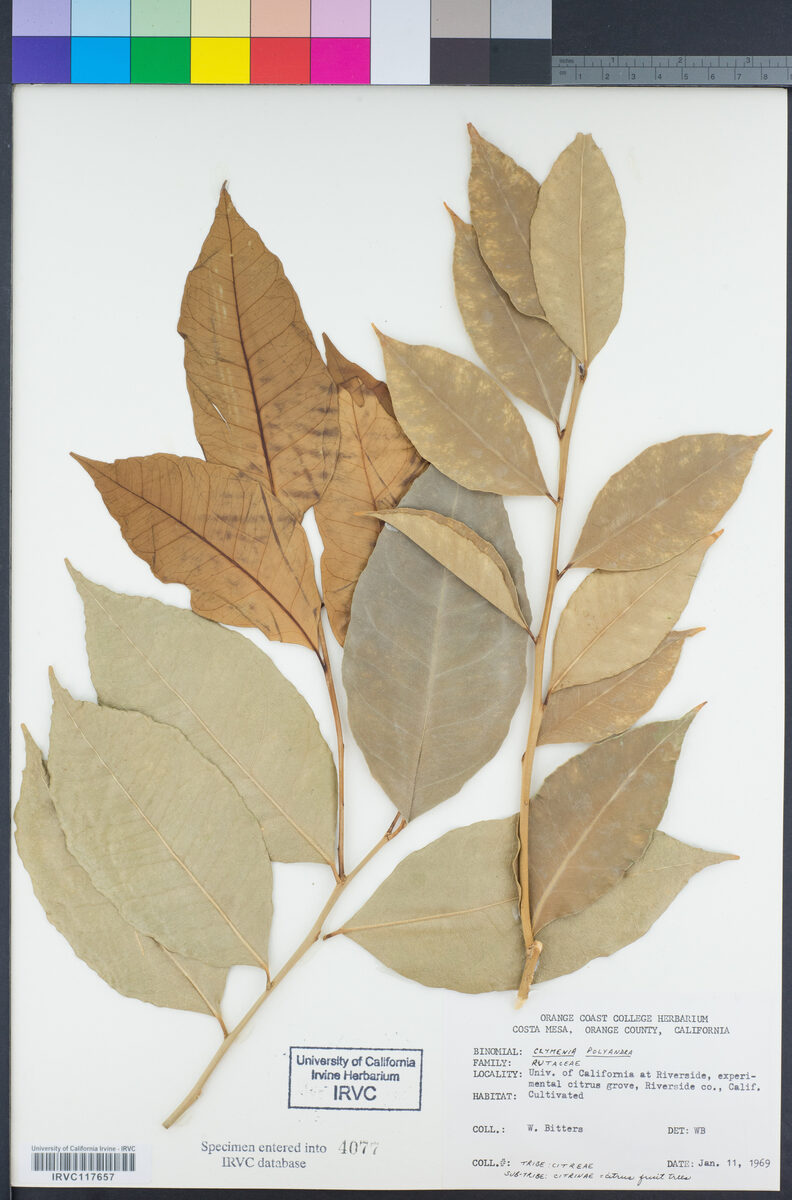
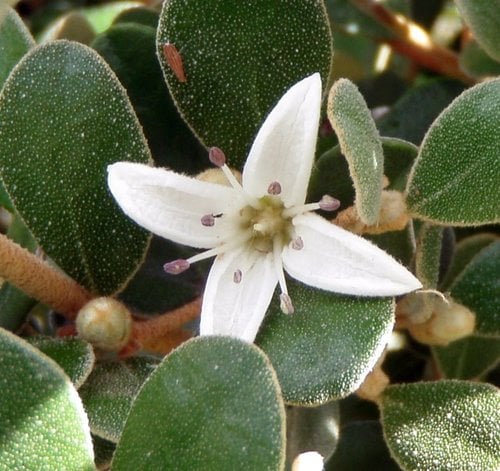
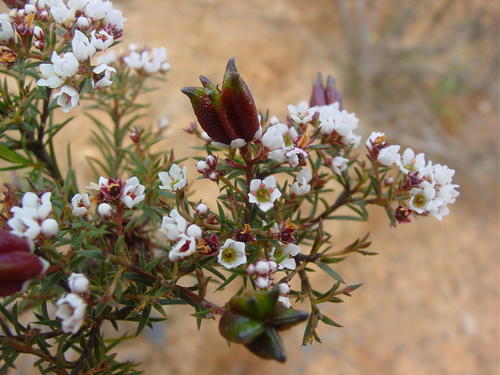
The plant grows 1-5 m high. It can be grown in a pot as a small plant. The plants have thorns and the leaves are long and narrow and do not have a citrus smell. The flowers are white and have a smell. They appear in clusters of 1-5. The fruit are round and 2.5 cm across. The skin is smooth soft and shiny. Fruit are green but turn yellow when ripe.
Edible Uses
The fruit is used in drinks and for preserves, and can be used as a spice.
Traditional Uses
The fruit are used in drinks and for preserves.
This uses section is brief — help expand it
Distribution
A tropical plant.
Where It Grows
Asia, Australia, China, Hainan, Indonesia, Malaysia, Pacific, SE Asia,
Cultivation
Plants can be grown from seed or by airlayering.
Notes
The Fortunella's will probably be renamed Citrus. There are 5 Fortunella species.
Synonyms
Also Known As
Limau pagar
References (11)
- Chin, H.F., & Yong, H.S., 1996, Malaysian Fruits in Colour. Tropical press, Kuala Lumpur p 70 (As Fortunella polyandra)
- Elevitch, C.R.(ed.), 2006, Traditional Trees of the Pacific Islands: Their Culture, Environment and Use. Permanent Agriculture Resources, Holualoa, Hawaii. p 266 (As Fortunella polyandra)
- John, L., & Stevenson, V., 1979, The Complete Book of Fruit. Angus & Robertson p 169 (As Fortunella polyandra)
- Milow, P., et al, 2013, Malaysian species of plants with edible fruits or seeds and their evaluation. International Journal of Fruit Science. 14:1, 1-27 (As Fortunella polyandra)
- PROSEA handbook Volume 13 Spices. p 276 (As Fortunella polyandra)
Show all 11 references Hide references
- PROSEA (Plant Resources of South East Asia) handbook, Volume 2, 1991, Edible fruits and nut. p 170 (As Fortunella polyandra)
- Purseglove, J.W., 1968, Tropical Crops Dicotyledons, Longmans. p 494 (As Fortunella polyandra)
- Recher, P, 2001, Fruit Spirit Botanical Gardens Plant Index. www.nrg.com.au/~recher/ seedlist.html p 2 (As Fortunella polyandra)
- Stud. Citrol. 5:143. 1932 (As Fortunella polyandra)
- USDA, ARS, National Genetic Resources Program. Germplasm Resources Information Network - (GRIN). [Online Database] National Germplasm Resources Laboratory, Beltsville, Maryland. Available: www.ars-grin.gov/cgi-bin/npgs/html/econ.pl (10 April 2000)
- World Checklist of Useful Plant Species 2020. Royal Botanic Gardens, Kew