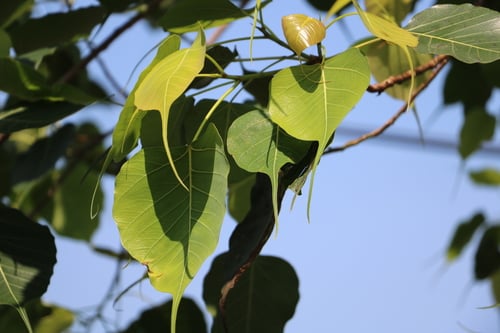
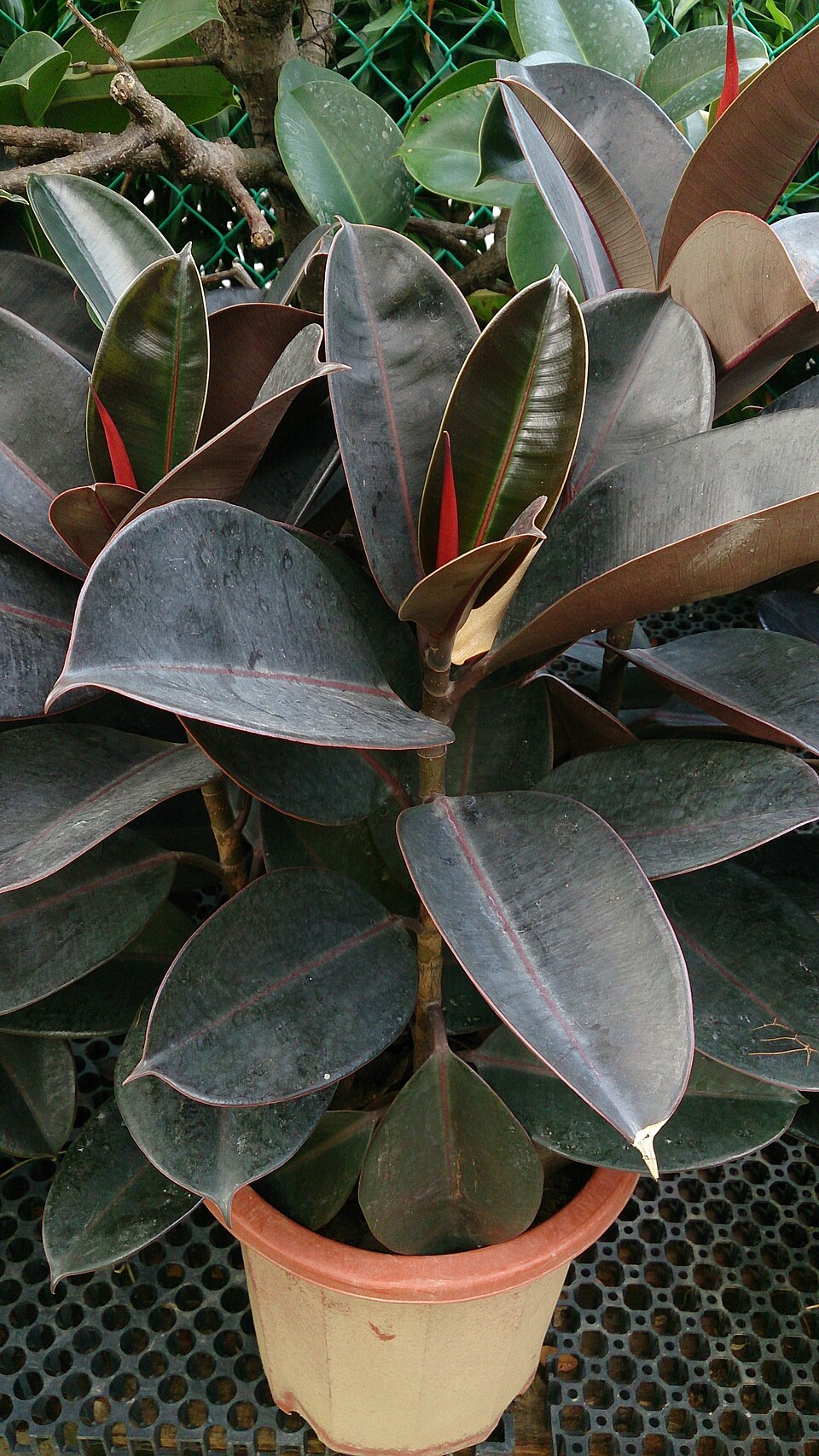
Ficus hederacea
Roxb.
Beduli
iNaturalist· cc-by
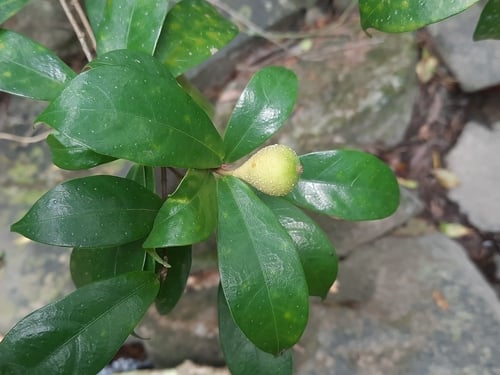
(c) CYL, some rights reserved (CC BY), uploaded by CYL
iNaturalist· cc-by
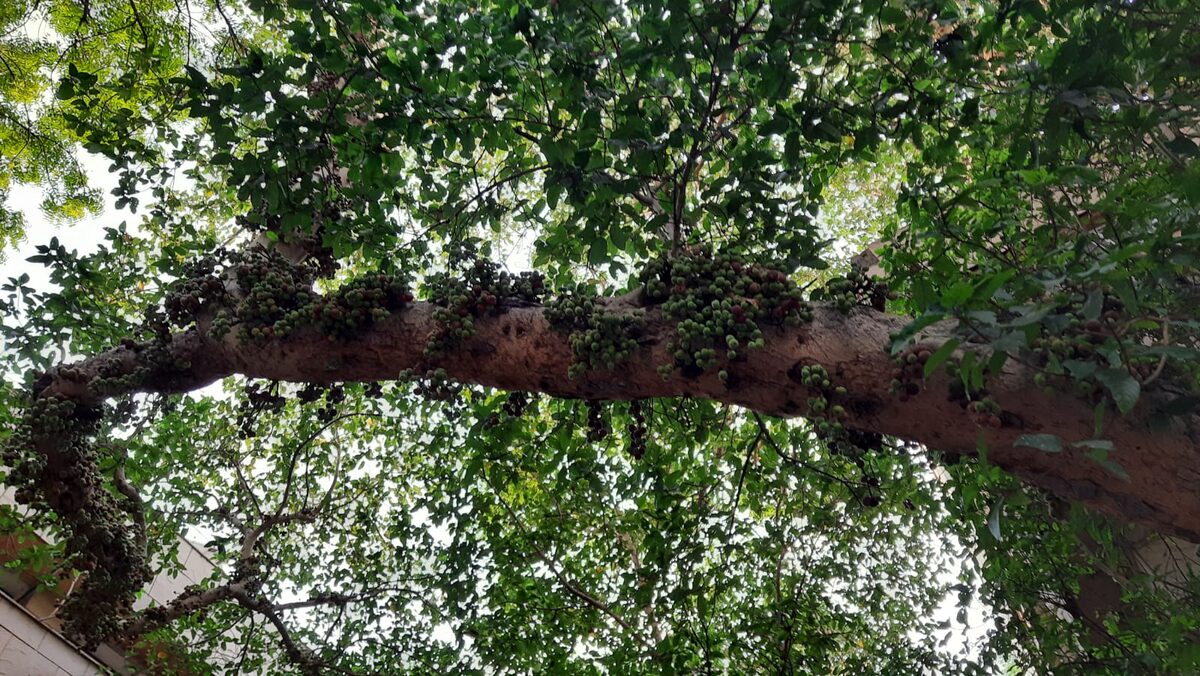
(c) CYL, some rights reserved (CC BY), uploaded by CYL
iNaturalist· cc-by
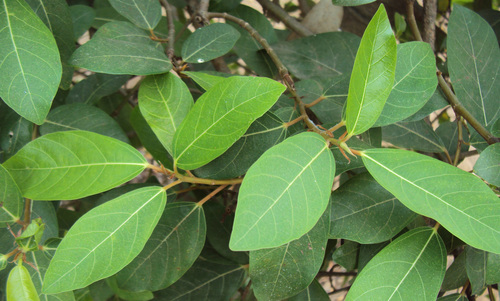
(c) Siddarth Machado, some rights reserved (CC BY), uploaded by Siddarth Machado
Summary
Source: WikipediaFicus hederacea is a climbing fig species, in the family Moraceae, which can be found in the Himalayas, southern China and Indo-China. In Vietnam it may be called sung leo. No subspecies are listed in the Catalogue of Life.
Description
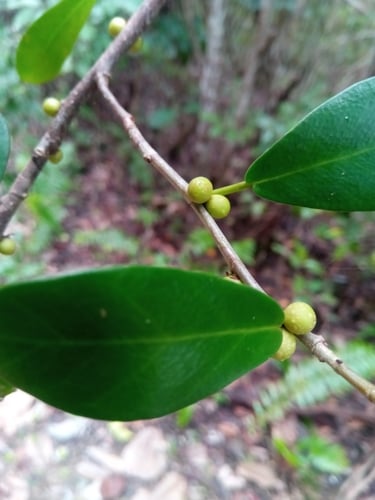
A fig. It is a climbing evergreen shrub. The stems and branches form aerial roots at the nodes. The leaves are 6-11 cm long by 4-5 cm wide. They are thickly leathery. The figs are round or oval. They are 1-1.5 cm across. They are orange-yellow or pink. They become black with pale dots when ripe.
Edible Uses
The ripe fruits are mixed with salt and eaten fresh.
Traditional Uses
The ripe fruit are mixed with salt and eaten fresh.
This uses section is brief — help expand it
Distribution
It is a tropical plant. It grows up to 2000 m altitude in Uttar Pradesh in India. In the Indian Himalayas it grows between 1,300-2,000 m above sea level. In southern China it grows between 500-700 m above sea level and up to 1,500 m.
Where It Grows
Asia, Bhutan, China, Himalayas, India, Indochina, Laos, Myanmar, Nepal, Northeastern India, SE Asia, Sikkim, Thailand,
Notes
There are about 800-1000 Ficus species. They are mostly in the tropics. There are 120 Ficus species in tropical America.
Synonyms
Also Known As
Jia ni ni bai
References (3)
- Luo, B., et al, 2019, Wild edible plants collected by Hani from terraced rice paddy agroecosystem in Honghe Prefecture, Yunnan, China. Journal of Ethnobiology and Ethnomedicine 15:56
- Negi, K.S., 1988, Some little known wild edible plants of U.P. Hills. J. Econ. Tax. Bot. Vol. 12 No. 2 pp 345-360
- Radha, B., et al, 2013, Wild Edible Plant Resources of the Lohba Range of Kedarnath Forest Division (KFD), Garhwal Himalaya, India. Int. Res J. Biological Sci. Vol. 2 (11), 65-73