Ficus albipila
(Miq.) King
Rocket Fig, Abbey Tree, Poison Fig
iNaturalist· cc-by-nc
(c) muthmazifa, some rights reserved (CC BY-NC)
iNaturalist· cc-by-nc
(c) muthmazifa, some rights reserved (CC BY-NC)
iNaturalist· cc-by-nc
(c) muthmazifa, some rights reserved (CC BY-NC)
Summary
Source: WikipediaFicus albipila, the abbey tree, is a species of flowering plant in the family Moraceae, native to India, the Andaman and Nicobar Islands, Thailand, Peninsular Malaysia, Sumatra, Java, the Lesser Sunda Islands, New Guinea, and Queensland. It is a widespread rainforest tree reaching 35 m (115 ft).
Description
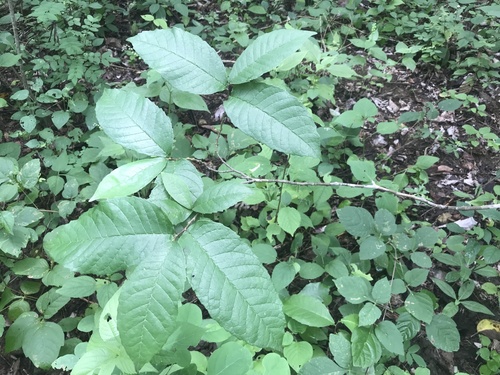
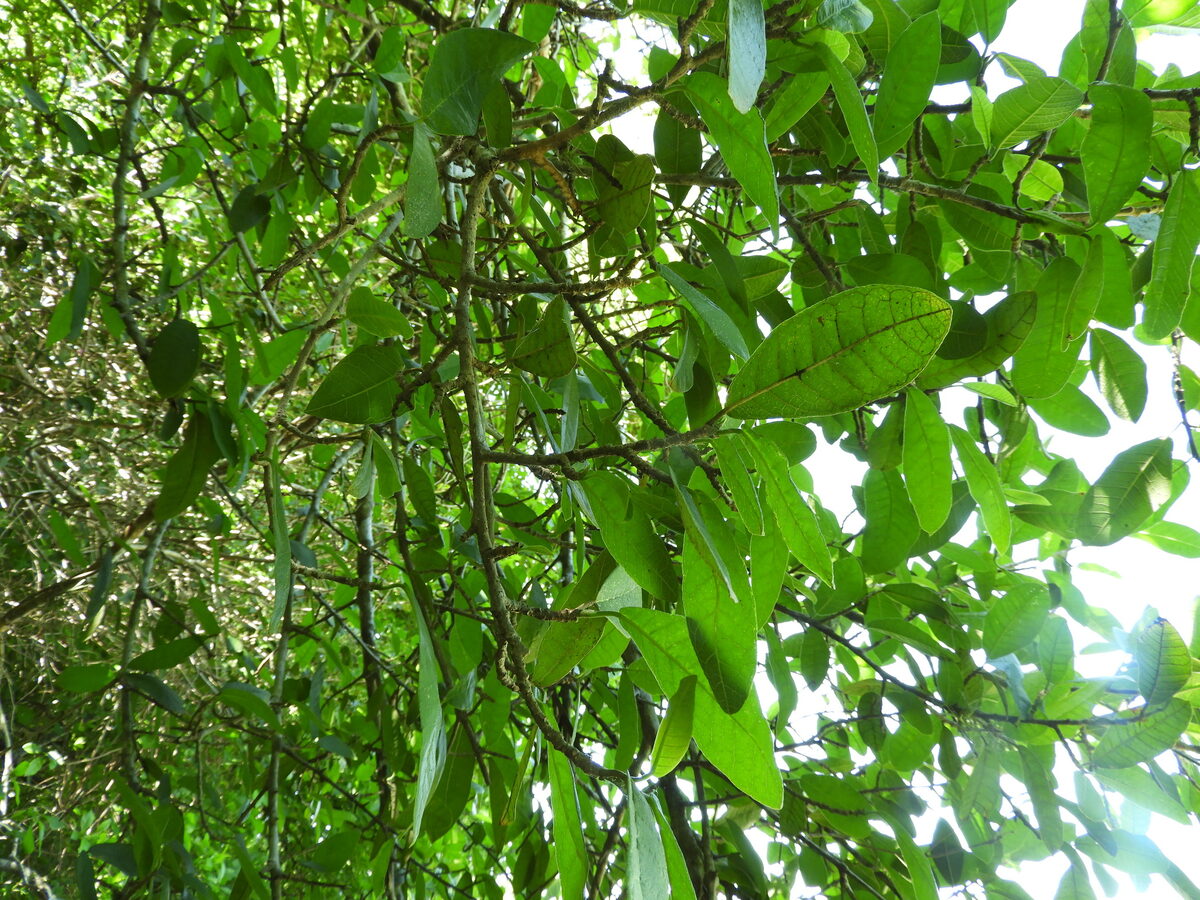
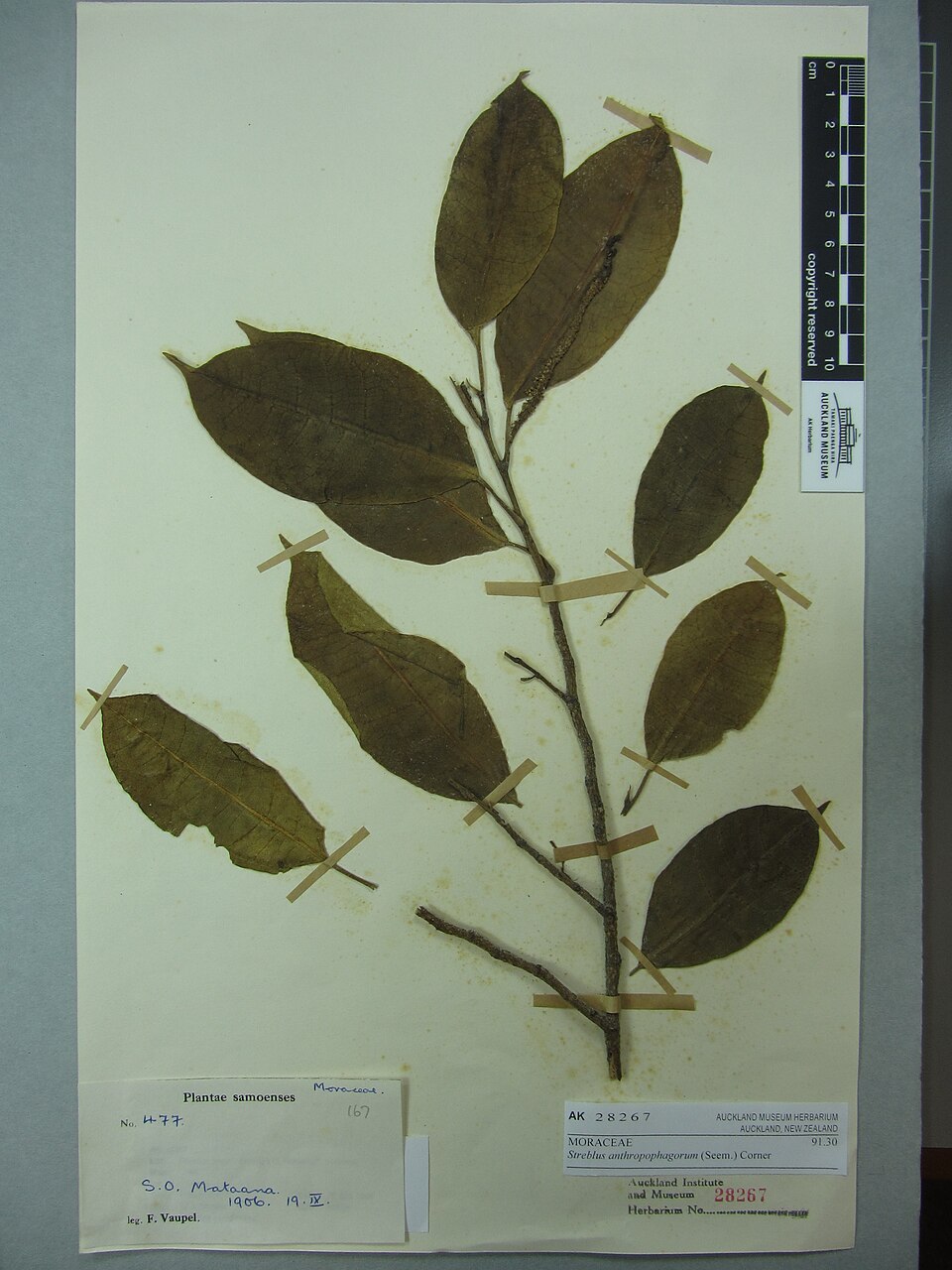
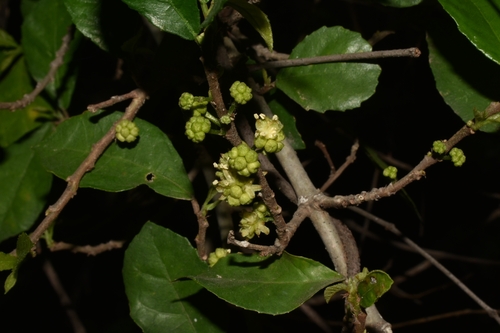
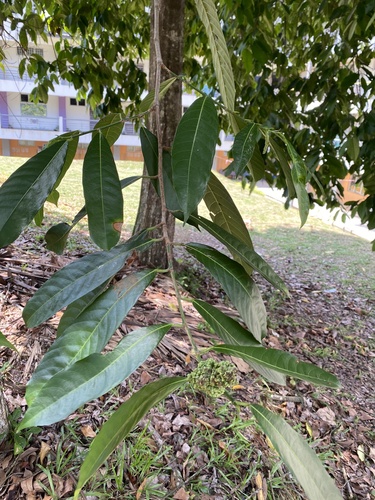
A fig. It is a tall tree. It grows 20-30 m high and spreads 15-25 m wide. The crown is widely spreading. The trunk is long. There are buttresses at the base. The bark is grey with green blotches. Young shoots have soft white hairs. The leaves are alternate. They are 10-14 cm long by 7-10 cm wide. They are oval or heart shaped. The leaf stalks are 2.5-4 cm long. Leaves taper to the tip. The fig is 1-2 cm across. They are black and in the axils of leaves. They are covered with white hairs.
Edible Uses
The fruit are eaten.
Traditional Uses
The fruit are eaten.
This uses section is brief — help expand it
Known Hazards
The sap is irritating.
Distribution
A tropical plant. In tropical Queensland it grows from sea level to 270 m altitude. In Indonesia it grows up to 1,200 m above sea level.
Where It Grows
Asia, Australia*, Indonesia, Malaysia, New Guinea, SE Asia,
Cultivation
Plants can be grown from seed. They can probably also be grown by aerial layering.
Notes
There are about 800-1000 Ficus species. They are mostly in the tropics. There are 120 Ficus species in tropical America. The sap is irritating.
Synonyms
Also Known As
Pohon ara ratu
References (6)
- Cooper, W. and Cooper, W., 2004, Fruits of the Australian Tropical Rainforest. Nokomis Editions, Victoria, Australia. p 322
- Elliot, W.R., & Jones, D.L., 1992, Encyclopedia of Australian Plants suitable for cultivation. Vol 4. Lothian. p 280
- Flora of Australia, Volume 3, Hamamelidales to Casuarinales, Australian Government Publishing Service, Canberra (1989) p 50, 51
- Jackes, B.R., 2001, Plants of the Tropics. Rainforest to Heath. An Identification Guide. James Cook University. p 66
- Sukarya, D. G., (Ed.) 2013, 3,500 Plant Species of the Botanic Gardens of Indonesia. LIPI p 280
Show all 6 references Hide references
- World Checklist of Useful Plant Species 2020. Royal Botanic Gardens, Kew