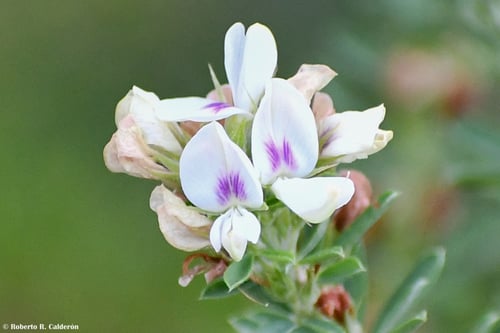
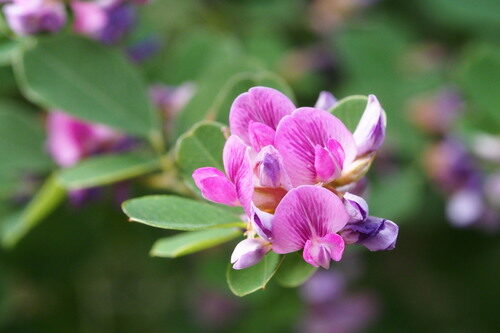
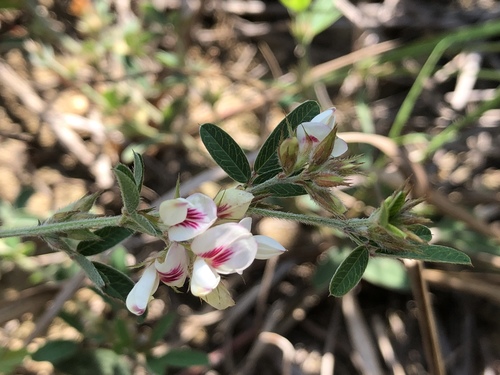
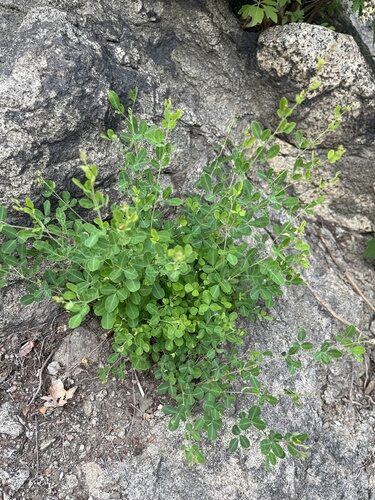
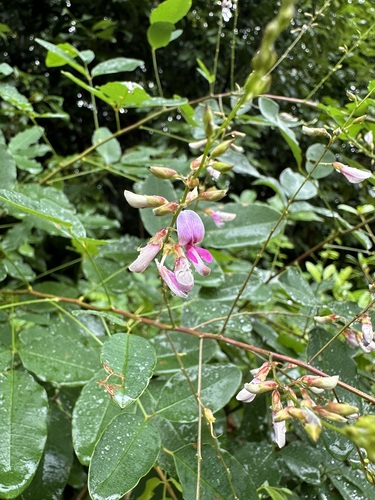
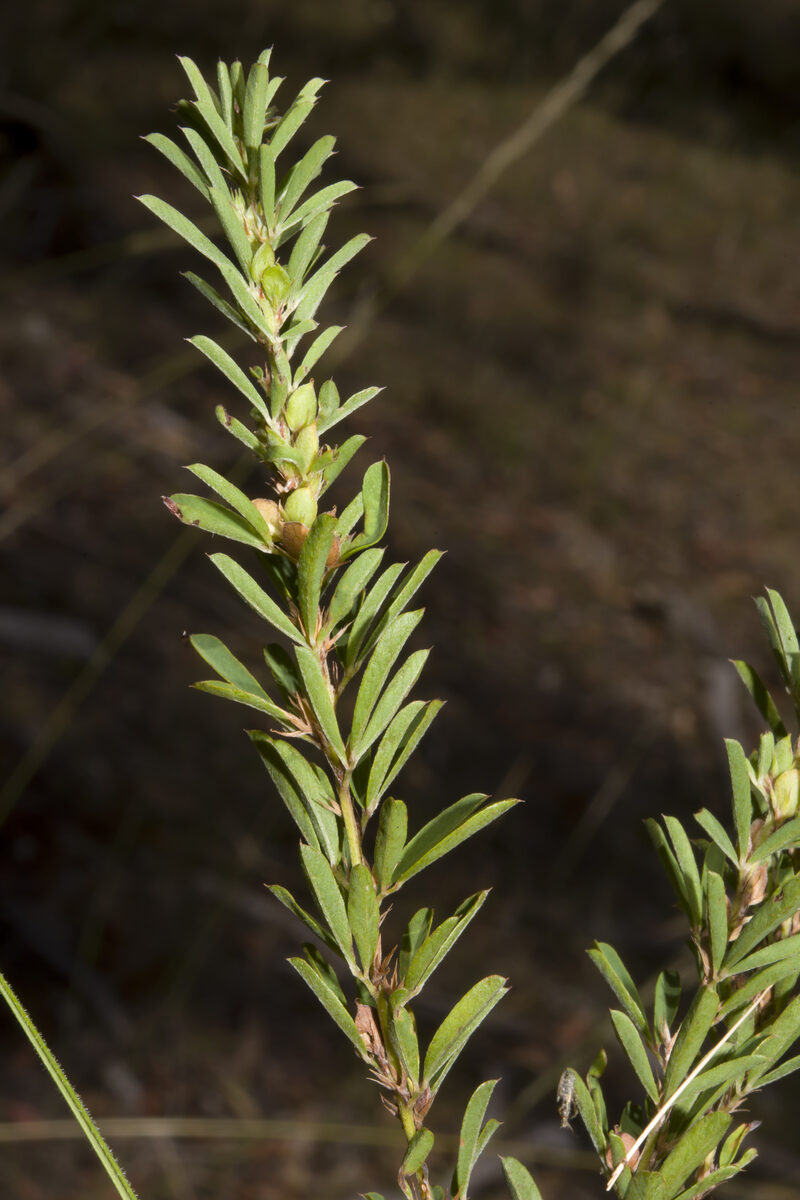
Psorothamnus polydenius - (Torr. ex S.Watson) Rydb.
(Torr. ex S.Watson) Rydb.
Nevada smokebush
gbif· cc-by
Steve Matson
gbif· cc-by
Steve Matson
gbif· cc-by
Steve Matson
Description
Psorothamnus polydenius is a SHRUB growing to 1 m (3ft 3in) by 1 m (3ft 3in). See above for USDA hardiness. It is hardy to UK zone 9 and is frost tender. The flowers are pollinated by Insects. It can fix Nitrogen. Suitable for: light (sandy) and medium (loamy) soils, prefers well-drained soil and can grow in nutritionally poor soil. Suitable pH: mildly acid, neutral and basic (mildly alkaline) soils and can grow in very alkaline soils. It cannot grow in the shade. It prefers dry or moist soil and can tolerate drought.
Edible Uses
Nevada smokebush (Psorothamnus polydenius), also known as Nevada dalea, is a desert shrub native to the arid Southwest. Its seeds are reported to be edible, though, as with Emory’s dyebush, production is unreliable. During field observations, seed yields were meager or vanished quickly, making them of little practical value to foragers. This scarcity likely reflects the plant’s dependence on favorable rainfall for reproduction. While the seeds are technically edible, there are no records of them being a significant food source for Native Americans. Instead, the fragrant flowers of Nevada smokebush were more culturally important—they were added to tobacco mixtures, lending an aromatic quality to ceremonial and practical use. No other edible parts of this species are reported.
Medicinal Uses
The plant is antirheumatic, antiseptic, astringent, diuretic. A decoction of the stems and plant tops is used to treat a variety of complaints including muscular pain, stomach aches, coughs, colds and influenza, TB, kidney problems, venereal diseases. The stem is chewed as a treatment for toothaches and facial neuralgia. A strong infusion of the plant isused to treat diarrhoea. The dried or crushed, fresh stems are applied to sores. A decoction of the stems is used as a wash to treat smallpox, measles etc. A hot decoction of the plant is used as a wash to relieve rheumatism.
Distribution
Southwestern N. America - California, Nevada, Utah.
Where It Grows
Native to: California, Nevada, Utah.
Cultivation
Sandy and gravelly, often alkaline flats and low hills, commonly associated with Chenopods, sometimes on dunes; at elevations from 880 - 2,250 metres. The plant often forms colonies but is seldom crowded into thickets. USDA Hardiness Zones: Best suited to Zones 8–10, thriving in desert habitats. Weed/Invasiveness: A US native desert shrub; not considered invasive and tends to remain localized due to its limited seed production.
Propagation
Like many species within the family Fabaceae, once they have ripened and dried the seeds of this species may benefit from scarification before sowing in order to speed up and improve germination. This can usually be done by pouring a small amount of nearly boiling water on the seeds (being careful not to cook them!) and then soaking them for 12 - 24 hours in warm water. By this time they should have imbibed moisture and swollen - if they have not, then carefully make a nick in the seedcoat (being careful not to damage the embryo) and soak for a further 12 hours before sowing.
Other Uses
Nevada smokebush (Psorothamnus polydenius) produces edible seeds, but only in very small, unreliable quantities. Its greater value lies in its fragrant flowers, traditionally used in tobacco mixtures.
Synonyms
Also Known As
Nevada smokebush or Nevada dalea