Lespedeza davurica
(Laxmann) Schindler
Ox bush-clover, Mongolia lespedeza tea
iNaturalist· cc-by-nc
(c) JODY HSIEH, some rights reserved (CC BY-NC)
iNaturalist· cc-by-nc
(c) JODY HSIEH, some rights reserved (CC BY-NC)
iNaturalist· cc-by-nc
(c) JODY HSIEH, some rights reserved (CC BY-NC)
Description
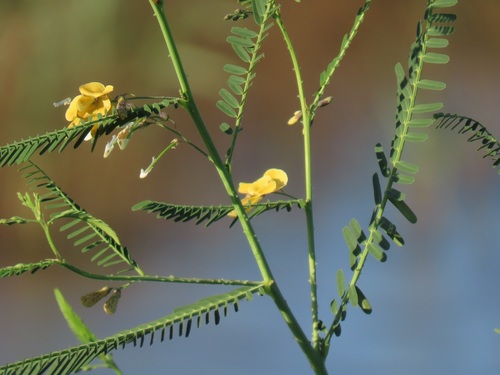
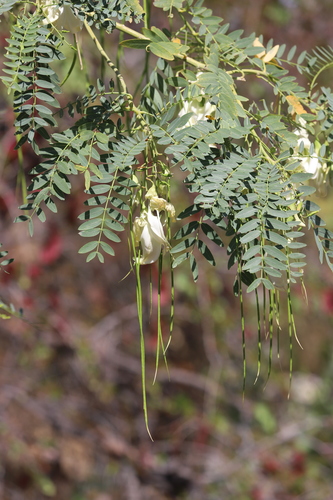
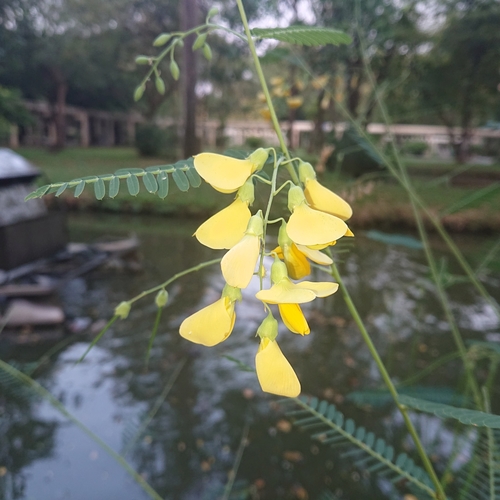
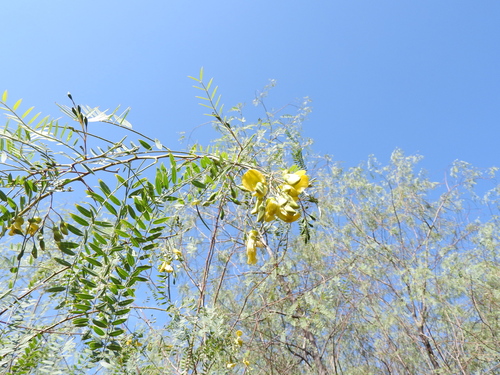
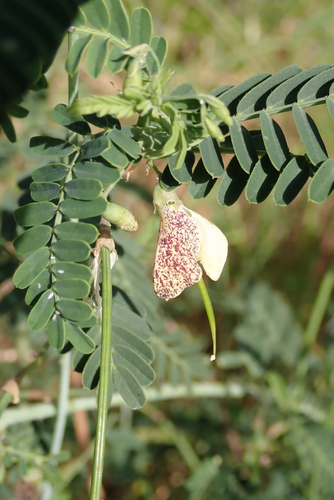
A small shrub. It loses its leaves during the year. It grows 1 m high. The branches are hairy. The leaves have 3 leaflets. The leaflets are oval and 2-3 cm long by 7-10 mm wide. The flowers are greenish-yellow and a legume flower. The fruits are oval and 3 mm long. They have one seed. The seeds are black.
Edible Uses
The flowers and leaves are dried and used for tea. Young leaves are also steamed with flour.
Traditional Uses
The flowers and leaves are dried and used for tea. The young leaves are also steamed with flour.
This uses section is brief — help expand it
Distribution
It is a temperate plant. It grows on dry mountain slopes and sandy soils. In Sichuan and Yunnan.
Where It Grows
Asia, China, Indochina, Korea, Mongolia, Russia, SE Asia, Taiwan, Vietnam,
Synonyms
Also Known As
Hurbegen chai, Hurbhei, Lietda trondai
References (5)
- https://en.wikipedia.org/wiki/List of wild edible plants in Mongolian cuisine
- Hu, Shiu-ying, 2005, Food Plants of China. The Chinese University Press. p 477
- Khasbagan, Hu-Yin Huai, and Sheng-Ji pei, 2000, Wild Plants in the Diet of Athorchin Mongol Herdsmen in Inner Mongolia. Economic Botany 54(4): 528-536
- Sachula, et al, 2020, Wild edible plants collected and consumed by the locals in Daqinggou, Inner Mongolia, China. Journal of Ethnobiology and Ethnomedicine (2020) 16:60
- Urgamal, M., Oyuntsetseg, B., Nyambayar, D. & Dulamsuren, Ch. 2014. Conspectus of the vascular plants of Mongolia. (Editors: Sanchir, Ch. & Jamsran, Ts.). Ulaanbaatar, Mongolia. “Admon“ Press. 334pp. (p. 121-143).