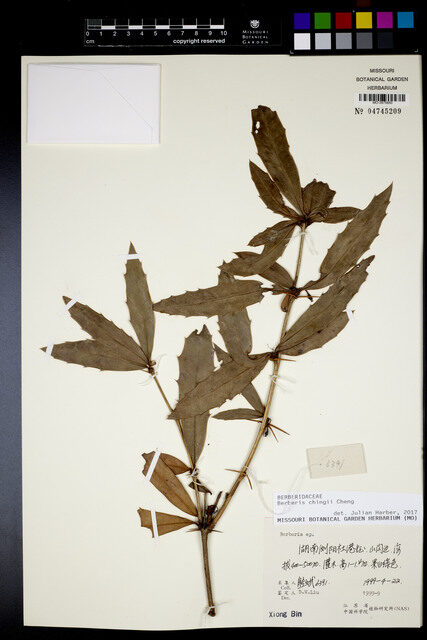
Nandina domestica
Thunb.
Sacred Bamboo, Heavenly Bamboo
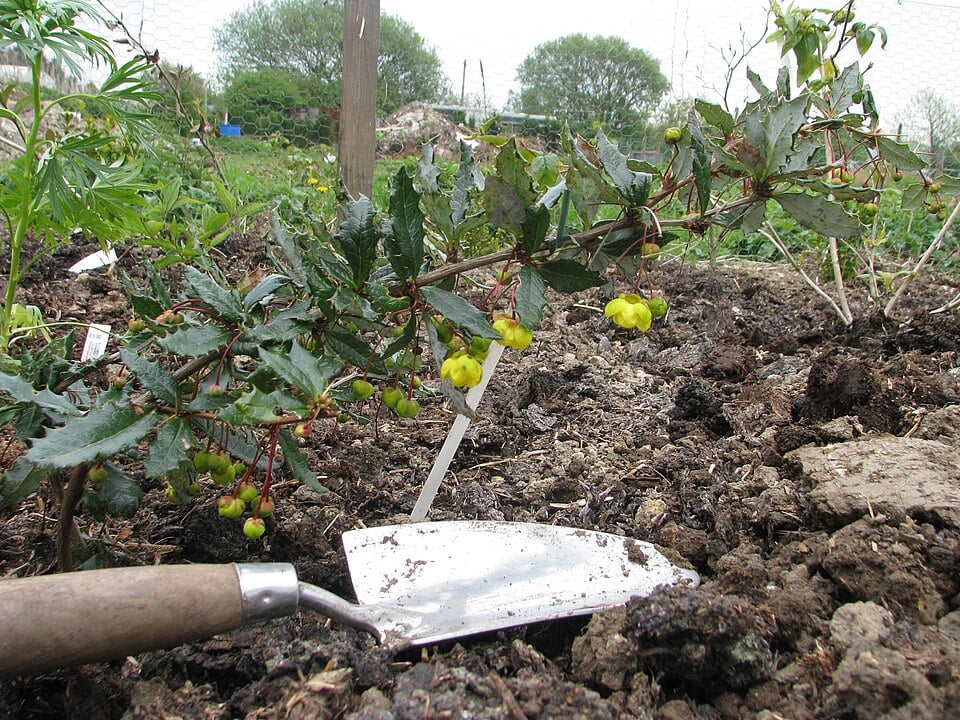
iNaturalist· cc-by
(c) Sam Kieschnick, some rights reserved (CC BY), uploaded by Sam Kieschnick
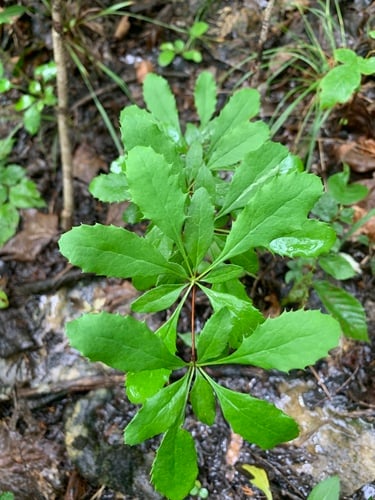
iNaturalist· cc-by-nc
(c) alexisscamman, some rights reserved (CC BY-NC)
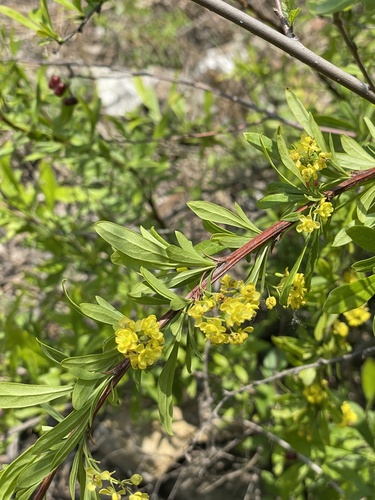
iNaturalist· cc-by-nc
(c) Stargazer, some rights reserved (CC BY-NC), uploaded by Stargazer
Description
Nandina domestica is an evergreen Shrub growing to 2.5 m (8ft) by 2 m (6ft) at a medium rate. See above for USDA hardiness. It is hardy to UK zone 7 and is not frost tender. It is in leaf all year, in flower from June to July. The species is hermaphrodite (has both male and female organs). Suitable for: light (sandy), medium (loamy) and heavy (clay) soils and prefers well-drained soil. Suitable pH: mildly acid, neutral and basic (mildly alkaline) soils. It cannot grow in the shade. It prefers moist soil.
Edible Uses
Fruit. No further details are given, but another report says that the fruit is poisonous. The fruit is about 10mm in diameter. Young leaves - boiled. The water must be changed at least once during the cooking.
Medicinal Uses
Antirheumatic Antitussive Astringent Febrifuge Stomachic Tonic. The roots and stems are antitussive, astringent, febrifuge, stomachic and tonic. A decoction is used in the treatment of fever in influenza, acute bronchitis, whooping cough, indigestion, acute gastro-enteritis, tooth abscess, pain in the bones and muscles and traumatic injuries. It is especially useful in the treatment of children's coughs. There is a danger that an overdose can cause respiratory paralysis. A decoction of the leaves is tonic. The fruit is febrifuge and tonic. Another report says that it is toxic, so great care should be employed if using it. The root is antirheumatic. Young shoots contain high concentrations of laetrile - up to 20% on a zero moisture basis.
Known Hazards
The fruit is poisonous.All parts of the plant contain toxic substances, including hydrocyanic acid and nandenine.
Distribution
E. Asia - China, Japan and India.
Where It Grows
TEMPERATE ASIA: China, Japan (Honshu, Kyushu, Shikoku)
Cultivation
Requires a deep rich moist soil in a sheltered sunny position. Prefers a cool but sunny position. A very ornamental plant, it only successful outdoors in Britain in favoured localities. Grows well in Cornwall. Tender when young, the shoot tips of mature plants can be damaged by hard frosts. A number of named forms have been developed for their ornamental value. Untidy old stems on established plants can be pruned to the base in spring. Cultivated for its fruit in China and Japan ( does this refer to medicinal usage?). It does not fruit freely in Britain. Plants in this genus are notably resistant to honey fungus.
Propagation
Seed - best sown as soon as it is ripe in a greenhouse. Stored seed should be sown as early in the year as possible in a greenhouse. Germination is often poor. When they are large enough to handle, prick the seedlings out into individual pots and grow them on in the greenhouse for at least their first winter. Plant them out into their permanent positions in late spring or early summer, after the last expected frosts. Cuttings of half-ripe wood 10 - 15cm long, July/August in a frame. Pot up in the autumn and overwinter in a cold frame. Plant out in late spring. High percentage but very slow. Cuttings of mature wood, 10 - 15cm with a heel, November in a frame. Plant out the following autumn. High percentage but very slow.
Other Uses
Hedge Hedge. Plants are used for hedging in warm temperate zones.