Myoporum montanum
R.Br.
Water Bush
iNaturalist· cc-by-nc
(c) andamooka, some rights reserved (CC BY-NC), uploaded by andamooka
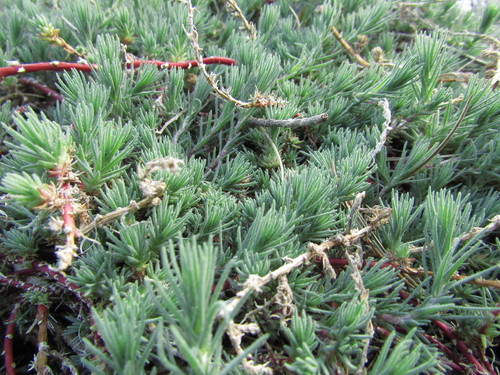
iNaturalist· cc-by-nc
(c) Stephen Fricker, some rights reserved (CC BY-NC), uploaded by Stephen Fricker
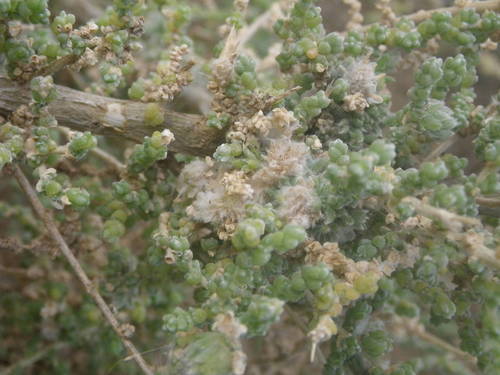
iNaturalist· cc-by-nc
(c) Dr Manfred Jusaitis, some rights reserved (CC BY-NC), uploaded by Dr Manfred Jusaitis
Description
Myoporum montanum is an evergreen Shrub growing to 2 m (6ft 7in). See above for USDA hardiness. It is hardy to UK zone 9. It is in leaf all year. The species is hermaphrodite (has both male and female organs). Suitable for: light (sandy), medium (loamy) and heavy (clay) soils and prefers well-drained soil. Suitable pH: mildly acid, neutral and basic (mildly alkaline) soils. It cannot grow in the shade. It prefers dry or moist soil.
Edible Uses
Fruit - raw or cooked. Bitterly aromatic and salty sweet. The purplish fruit is 5 - 7mm in diameter. Caution is advised, see notes above on toxicity.
Known Hazards
Although no records of toxicity have been found for this species, the fruits of at least some members of this genus are known to contain liver toxins and can be harmful in large quantities.
Distribution
Australia - New South Wales, Queensland, South Australia, Victoria.
Where It Grows
TROPICAL ASIA: Papua New Guinea, East Timor AUSTRALASIA: Australia (New South Wales, Queensland, South Australia, Victoria (north), Western Australia, Northern Territory)
Cultivation
We have very little information on this species and do not know if it will be hardy in Britain. A very tough plant tolerating most well-drained soils and situations, frost and extended dry periods. Also tolerates alkaline soils. Prefers full sun but will grow in partial shade, not as dense as full sun. Can be rejuvenated by pruning or cutting back hard if it becomes too woody.
Propagation
Seed - sow spring in a greenhouse. When they are large enough to handle, prick the seedlings out into individual pots and grow them on in the greenhouse for at least their first winter. Plant them out into their permanent positions in late spring or early summer, after the last expected frosts. Consider giving the plants some protection from the cold for their first few winters outdoors. Cuttings of half-ripe wood, 5 - 10cm with a heel, July/August in a frame. Pot up in the autumn. Good percentage.
Other Uses
Hedge Hedge Wood. The plant can be used as a hedge or screen. Wood - soft but tough. Excellent for embankment and erosion control and is a good fire retardant plant.
Synonyms
Also Known As
Waterbush