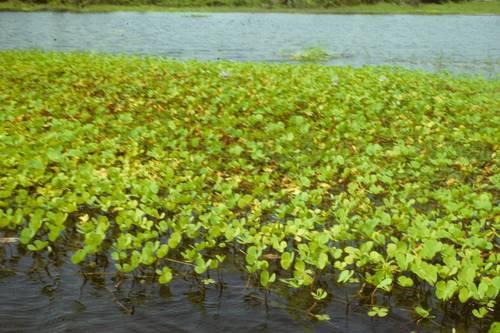
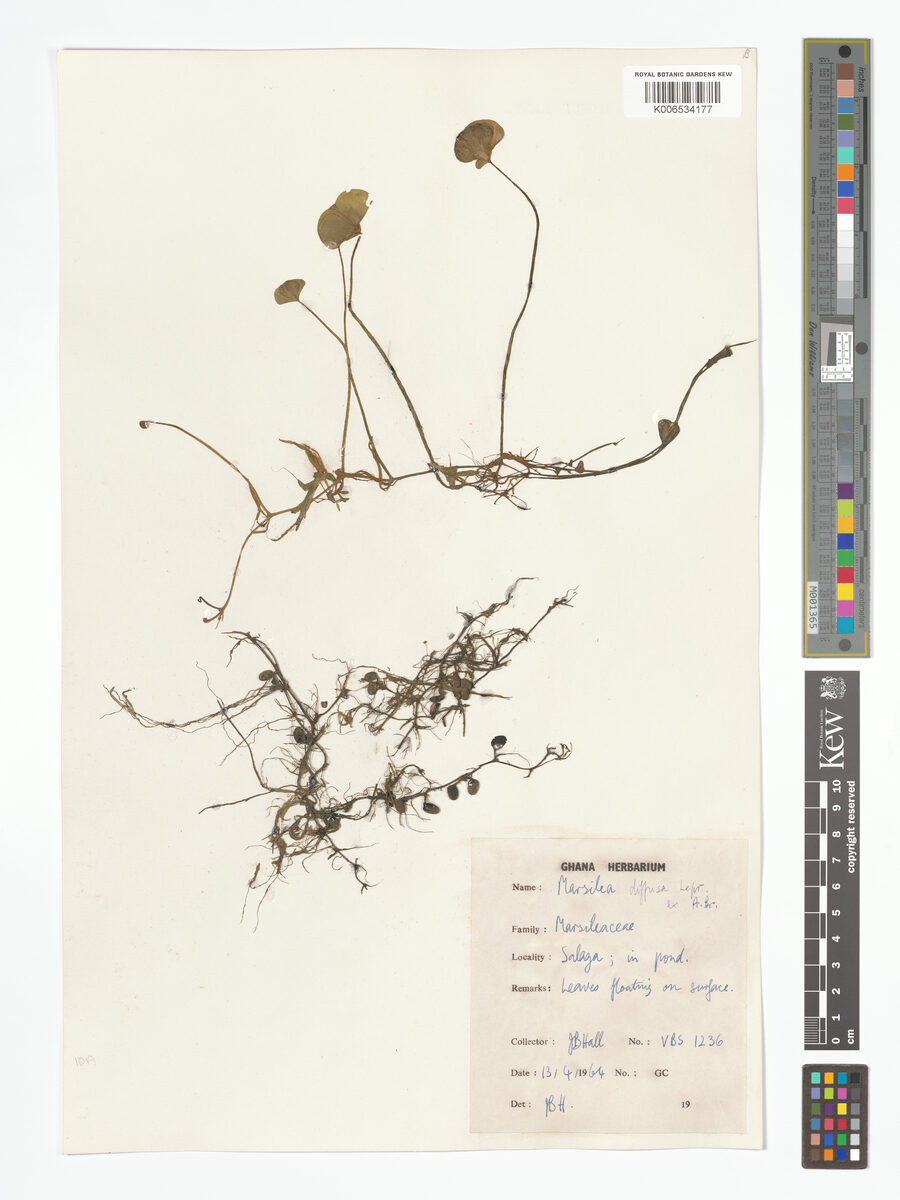
Marsilea quadrifolia
L.
Water Clover, European waterclover
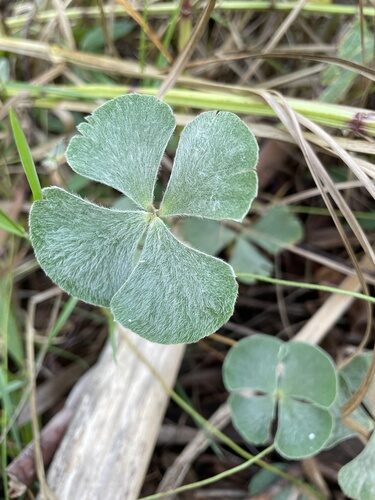
iNaturalist· cc-by-nc
(c) Sebastian J. Dunkl, some rights reserved (CC BY-NC), uploaded by Sebastian J. Dunkl
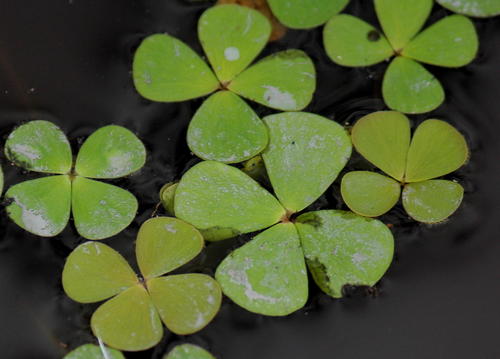
iNaturalist· cc-by-nc
(c) Sebastian J. Dunkl, some rights reserved (CC BY-NC), uploaded by Sebastian J. Dunkl
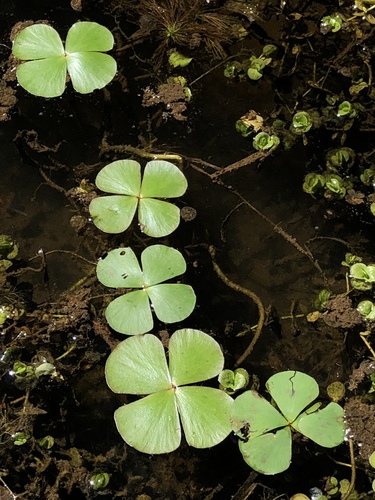
iNaturalist· cc-by-nc
(c) Sebastian J. Dunkl, some rights reserved (CC BY-NC), uploaded by Sebastian J. Dunkl
Description
Marsilea quadrifolia is a FERN growing to 0.2 m (0ft 8in). See above for USDA hardiness. It is hardy to UK zone 5. Suitable for: light (sandy) and medium (loamy) soils. Suitable pH: mildly acid, neutral and basic (mildly alkaline) soils. It can grow in semi-shade (light woodland) or no shade. It prefers moist or wet soil and can grow in water.
Edible Uses
Young stems and leaves. A famine food, only used in times of scarcity. The spores are produced in a sporocarp (like a fairly large container) and in allied species this is ground up and mixed with flour etc and used in making bread etc. It is rich in starch.
Medicinal Uses
Antidote Antiphlogistic Depurative Diuretic Febrifuge SkinA juice made from the leaves is diuretic and febrifuge. It is also used to treat snakebite and applied to abscesses etc. The plant is anti-inflammatory, diuretic, depurative, febrifuge and refrigerant.
Known Hazards
Although we have found no reports of toxicity for this species, a number of ferns contain carcinogens so some caution is advisable. Many ferns also contain thiaminase, an enzyme that robs the body of its vitamin B complex. In small quantities this enzyme will do no harm to people eating an adequate diet that is rich in vitamin B, though large quantities can cause severe health problems. The enzyme is destroyed by heat or thorough drying, so cooking the plant will remove the thiaminase.
Distribution
C. Europe to Asia.
Where It Grows
TEMPERATE ASIA: Armenia, Azerbaijan, Georgia EUROPE: Austria, Switzerland, Germany, Hungary, Poland, Slovakia, Russian Federation (European part), Moldova, Russian Federation (Astrakhan, Saratov, Volgogradskaja oblast), Ukraine, Albania, Bulgaria, Greece, Croatia, Italy, North Macedonia, Montenegro, Romania, Serbia, Slovenia, Spain, France, Portugal AFRICA: Spain (Canarias)
Cultivation
Requires a permanently moist or wet soil, it can be grown by the side of ponds etc or in the shallow edges of the pond. Thrives in a turfy loam or in peat. Hardy to about -15°c. Members of this genus are rarely if ever troubled by browsing deer.
Propagation
Spores. The plant produces sporocarps, these need to be lightly abraded and then immersed in water. The sporocarps will then swell and burst to release the spores. The spores germinate immediately, the highly developed prothallus remains inside the large seed-like spores. The gametophyte generation is completed in 24 hours and the first roots and shoots appear in 2 - 3 days. Mature plants bearing sporocarps can develop in as little as 3 months. Spore germination in the family occurs after rupture of the sporocarp wall allows the sporocarp contents to be hydrated. A gelatinous structure emerges from the sporocarp, breaking it into valves and carrying the sori into the water. Spore germination (gametophyte growth) and fertilization occur immediately. Division.