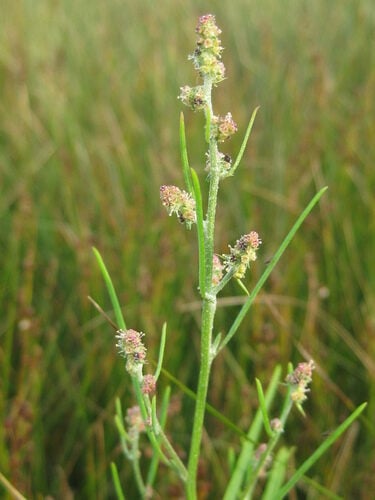
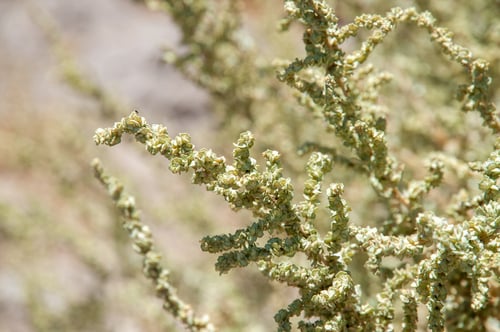
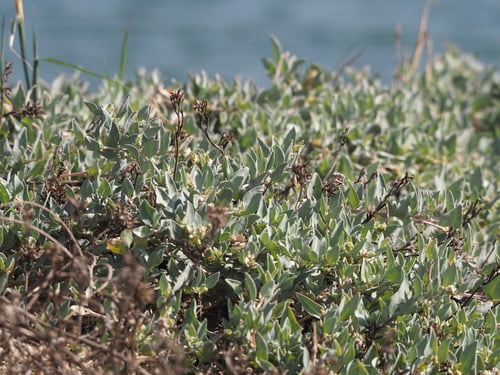
Lolium temulentum
L.
Darnel
iNaturalist· cc-by-nc
(c) James Bailey, some rights reserved (CC BY-NC), uploaded by James Bailey
iNaturalist· cc-by-nc
(c) James Bailey, some rights reserved (CC BY-NC), uploaded by James Bailey
Description
Lolium temulentum is a ANNUAL growing to 1 m (3ft 3in). See above for USDA hardiness. It is hardy to UK zone 5 and is not frost tender. It is in flower from June to August. The species is hermaphrodite (has both male and female organs) and is pollinated by Wind. Suitable for: light (sandy), medium (loamy) and heavy (clay) soils. Suitable pH: mildly acid, neutral and basic (mildly alkaline) soils. It cannot grow in the shade. It prefers moist soil.
Edible Uses
Seed - cooked. Used as a piñole or ground into a flour and used to make bread etc. It is very nutritious, like oats, but it is not advisable to eat the seed due to the risk of fungal infection. This fungal infection, called ergot, causes hallucinations in small doses but can cause severe damage to the nervous system in larger quantities.
Medicinal Uses
Anodyne Sedative. The seed is anodyne and sedative. It is not actually the seed, but a fungus that is often found on the seed that has the medicinal properties.
Known Hazards
The seed is not poisonous but it is often infected by a fungus which is very toxic. It is probably safer not to eat the seed because of the risk involved.
Distribution
Europe - Mediterranean. An introduced casual in Britain.
Where It Grows
EUROPE: Russian Federation (Saratov)
Cultivation
Succeeds in ordinary garden soil.
Propagation
Seed - sow spring in situ.