Isatis lusitanica
L.
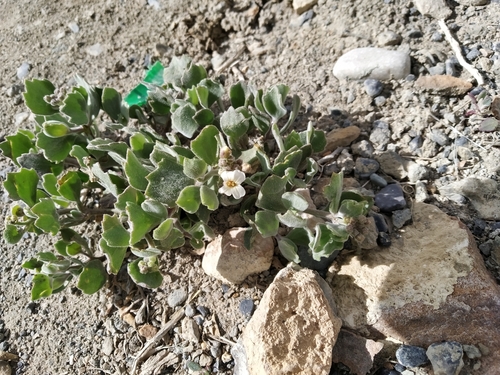
iNaturalist· cc-by-nc
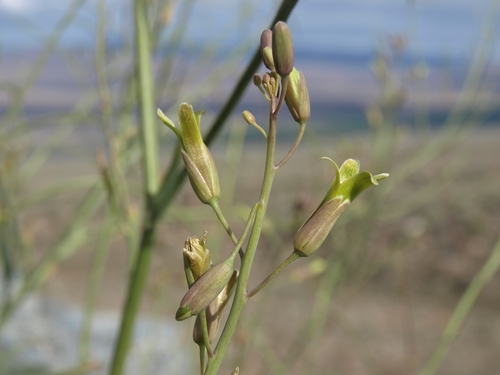
(c) Errol Véla, some rights reserved (CC BY-NC), uploaded by Errol Véla
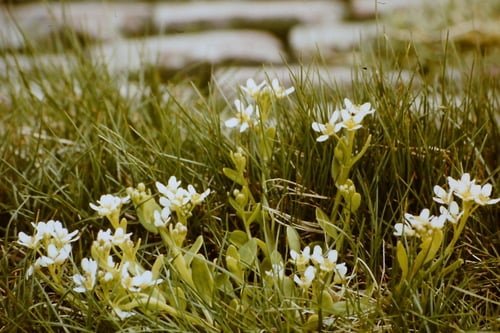
iNaturalist· cc-by-nc
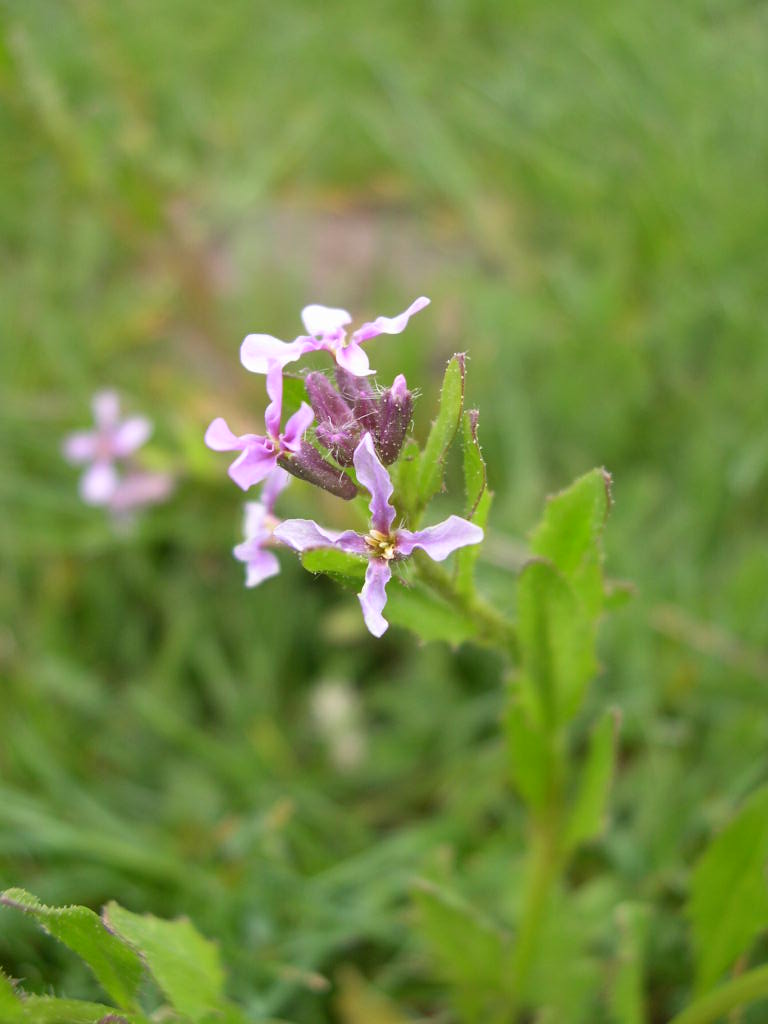
(c) Errol Véla, some rights reserved (CC BY-NC), uploaded by Errol Véla
Description
Isatis lusitanica is a ANNUAL/BIENNIAL growing to 0.6 m (2ft). The species is hermaphrodite (has both male and female organs) and is pollinated by Insects. Suitable for: light (sandy), medium (loamy) and heavy (clay) soils and prefers well-drained soil. Suitable pH: mildly acid, neutral and basic (mildly alkaline) soils. It cannot grow in the shade. It prefers moist soil.
Edible Uses
The leaves are probably eaten.
Distribution
S. Europe - Greece, to W. Asia.
Where It Grows
TEMPERATE ASIA: Egypt (Sinai), Iran, Iraq, Israel, Jordan, Lebanon, Syria, Turkey (south) EUROPE: Greece (Kríti) AFRICA: Libya (north), Tunisia
Cultivation
We have very little information on this species and do not know if it will be hardy in Britain, though judging by its native range it could succeed outdoors in many parts of this country. The following notes are based on the general needs of the genus. Prefers a well-drained fertile soil in a sunny position. Succeeds in ordinary garden soil.
Propagation
Seed - sow spring or autumn in situ. If the seed is in short supply then it might be better to sow it in a cold frame in the spring. Prick out the seedlings into individual pots when they are large enough to handle, and plant out in early summer.