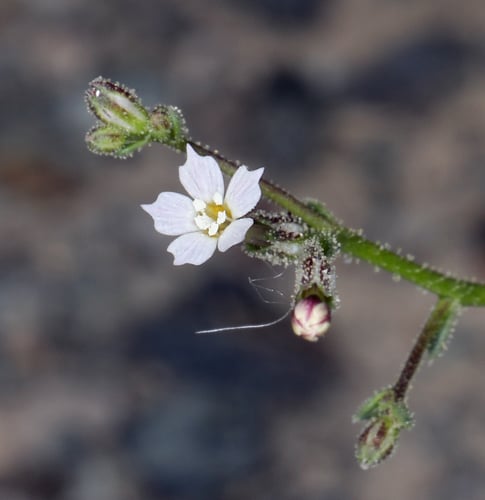
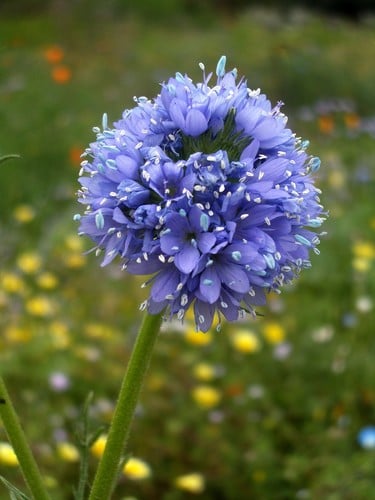
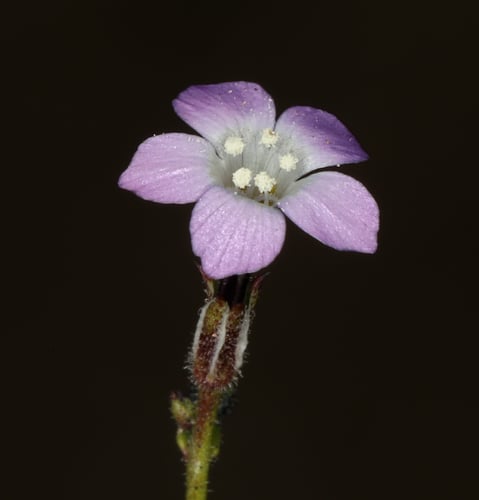
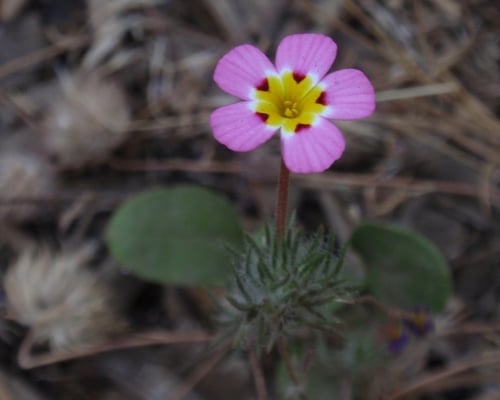
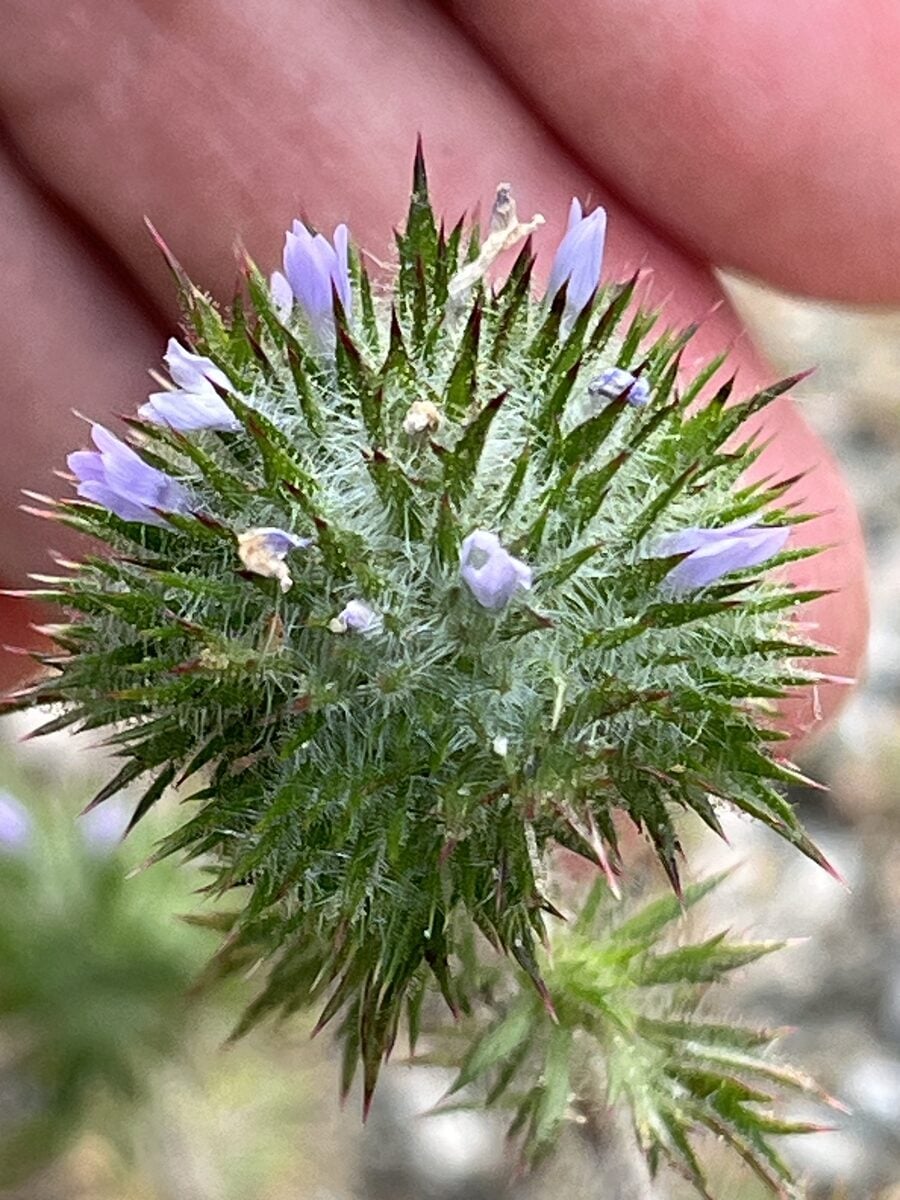
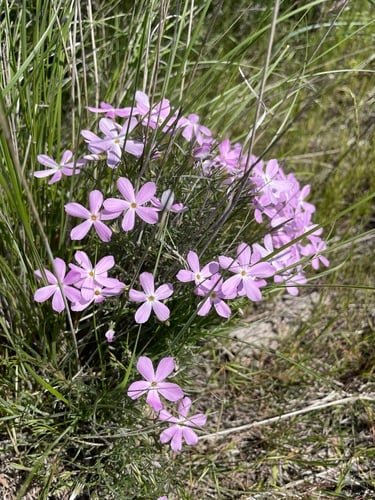
Ipomopsis aggregata - (Pursh.)V.E.Grant.
(Pursh.)V.E.Grant.
Skyrocket, Scarlet gilia
gbif· cc-by-nc
Priscilla Titus
gbif· cc-by-nc
Priscilla Titus
gbif· cc-by-nc
CredibleCorvid
Description
Ipomopsis aggregata is a BIENNIAL/PERENNIAL growing to 1 m (3ft 3in) by 0.3 m (1ft) at a slow rate. See above for USDA hardiness. It is hardy to UK zone 7. It is in flower from June to July. The species is hermaphrodite (has both male and female organs). Suitable for: light (sandy) and medium (loamy) soils and prefers well-drained soil. Suitable pH: mildly acid, neutral and basic (mildly alkaline) soils. It cannot grow in the shade. It prefers dry or moist soil.
Edible Uses
Tea. The plant has been boiled up as a tea. The nectar is sucked from the flowers by children.
Medicinal Uses
Cathartic Disinfectant Emetic Skin Tonic. The whole plant is cathartic and emetic. The leaves are steeped in hot water until the water turns a bright green, this liquid is taken in small doses as a tonic for the blood. An infusion of the whole plant has been used to treat blood diseases. A decoction has been used as a disinfectant wash on itchy skin. A poultice of the whole plant has been applied to rheumatic joints. An infusion of the roots is used as a laxative and in the treatment of high fevers, colds.
Distribution
Western N. America - Oregon to California to Texas, north to N. Dakota.
Where It Grows
NORTHERN AMERICA: Canada (British Columbia (south)), United States (Colorado, Idaho, Montana, Oregon, Washington, Wyoming, New Mexico, Texas, Arizona, California, Nevada, Utah), Mexico (Chihuahua, Coahuila de Zaragoza, Nuevo León, Tamaulipas)
Cultivation
Requires a well-drained dry soil in sun or partial shade. Requires a light very well drained fertile soil in full sun. Plants are cold-hardy to about -15°c, but they are susceptible to rot in areas with wet winters. It is best to cover the plants with a pane of glass in wet winter areas. A slow-growing and short-lived perennial or biennial species. A polymorphic species. The leaves have a musky scent. The crushed leaves smell like a skunk.
Propagation
Seed - sow spring in situ.
Other Uses
Adhesive Disinfectant Soap. The plant is reported to contain saponins and so could possibly be used as a soap substitute. A decoction of the plant has been used as a face and hair wash by adolescent girls. The whole plant has been boiled up to make a glue.