Aliciella leptomeria
(A. Gray) J. M. Porter
Great Basin gilia
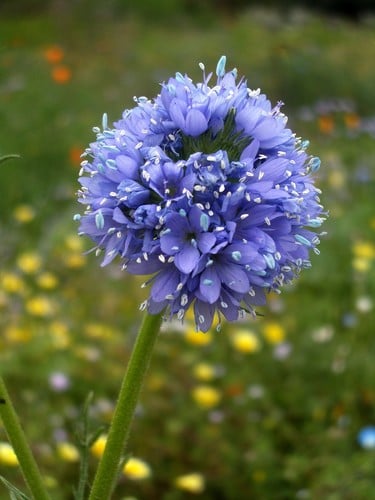
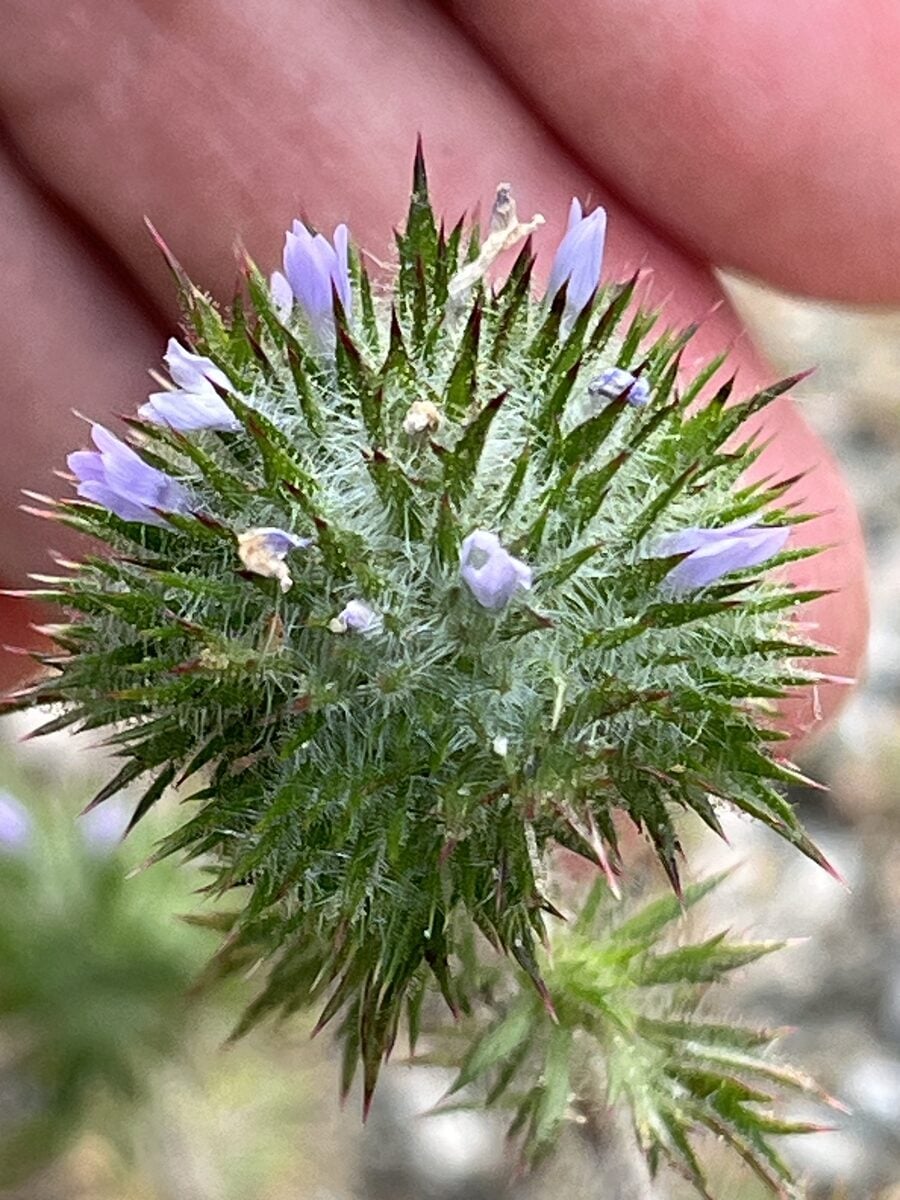
iNaturalist· cc-by
(c) Steve Matson, some rights reserved (CC BY), uploaded by Steve Matson
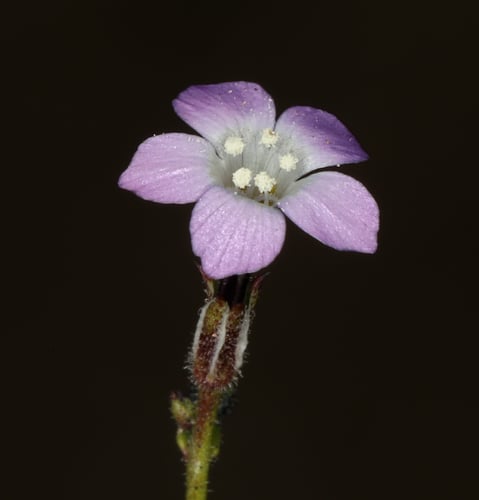
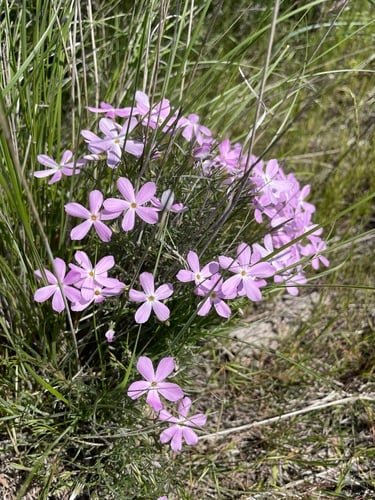
iNaturalist· cc-by
(c) Steve Matson, some rights reserved (CC BY), uploaded by Steve Matson
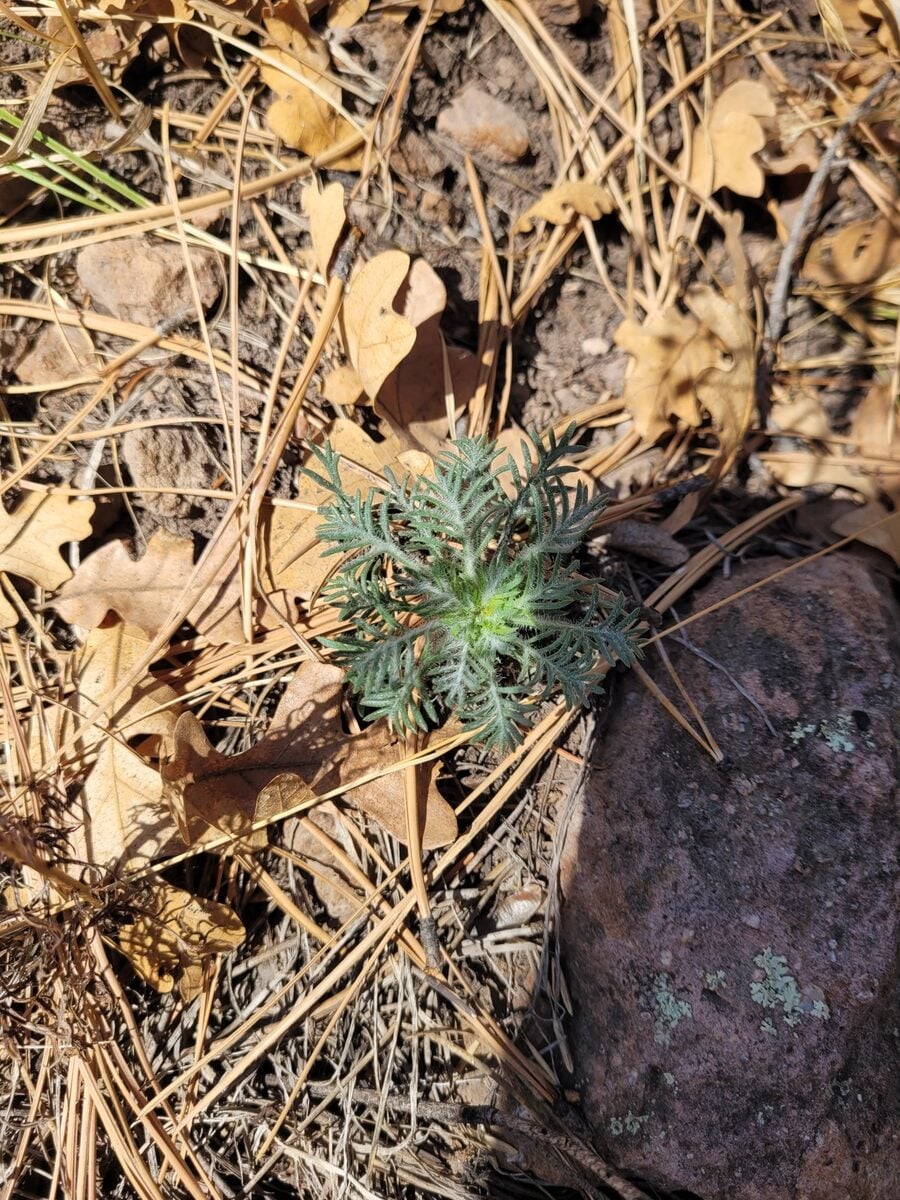
iNaturalist· cc-by-nc
(c) Emma Wynn, some rights reserved (CC BY-NC), uploaded by Emma Wynn
Summary
Source: WikipediaAliciella leptomeria (formerly Gilia leptomeria) is a species of flowering plant in the phlox family known by the common names sand gilia and Great Basin gilia. It is native to the Western United States, where it grows in many types of habitat, such as the sagebrush of the Great Basin and in the Mojave Desert. It is a small herb producing a thin, branching stem up to about 23 centimeters tall. It is coated in glandular hairs. Several deeply lobed leaves 1 to 6 centimeters long are located in a basal rosette at ground level around the stem. There are smaller, unlobed leaves along the stem. The inflorescence produces one to three flowers, each about half a centimeter wide with a thread-thin tube. The corolla is purple-stained white, the throat is yellowish, and the tube is purple.
Description
A herbaceous plant in the phlox family found in temperate regions of the Great Basin.
This description is brief — help expand it
Edible Uses
The seeds are edible and can be consumed.
Distribution
It is a temperate plant.
Where It Grows
North America, USA,
Synonyms
References (1)
- http://www.stoller-eser.com/Flora/ethnobotany_table.htm (As Gilia leptomeria)