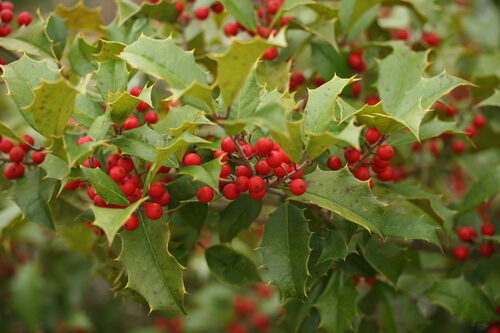
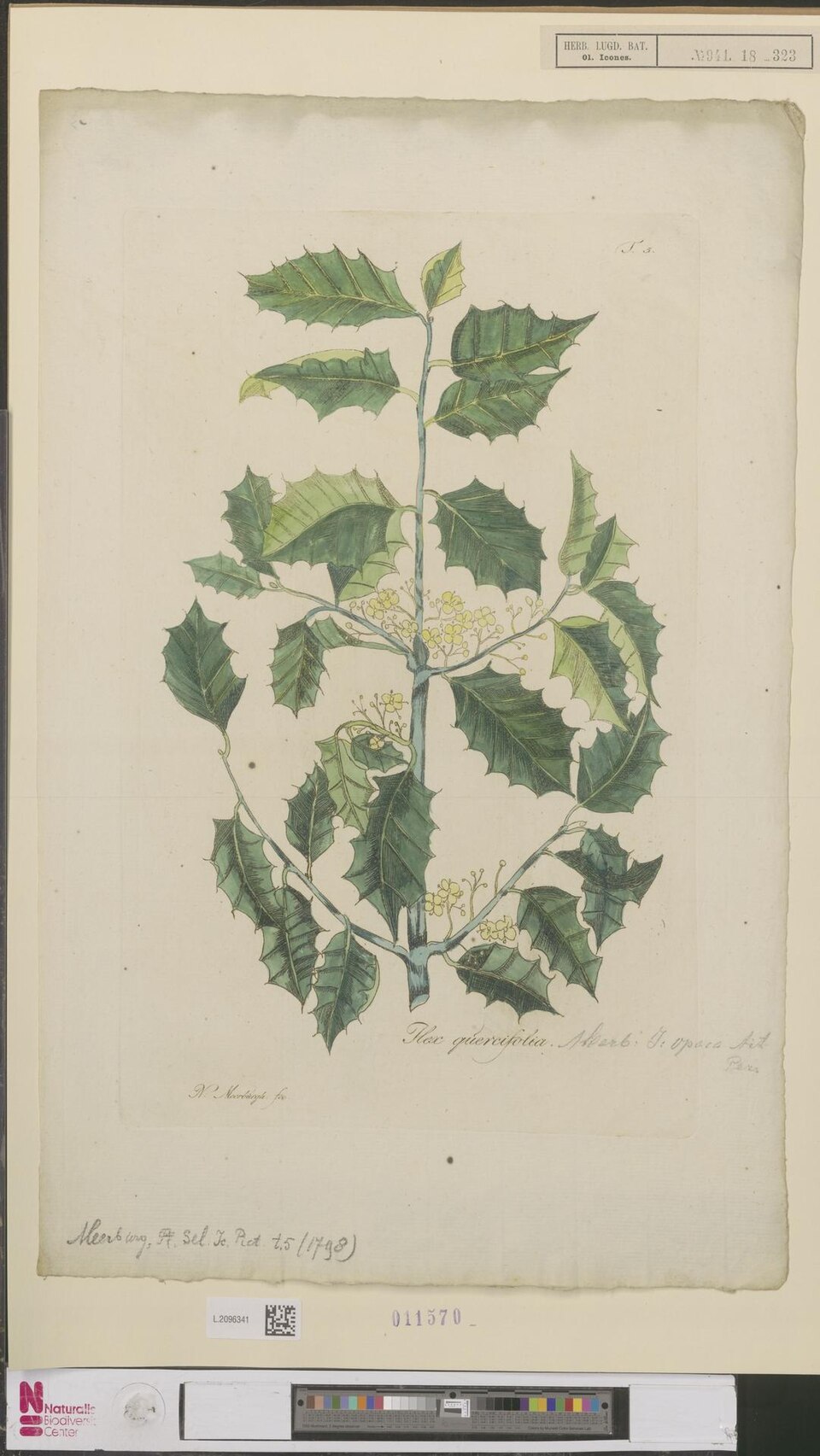
Ilex pedunculosa
Miq.
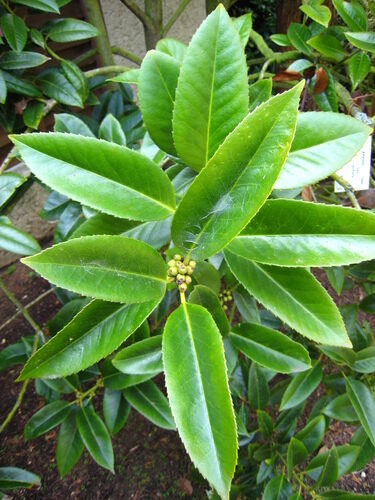
iNaturalist· cc-by-nc
(c) 艸目伊, some rights reserved (CC BY-NC), uploaded by 艸目伊
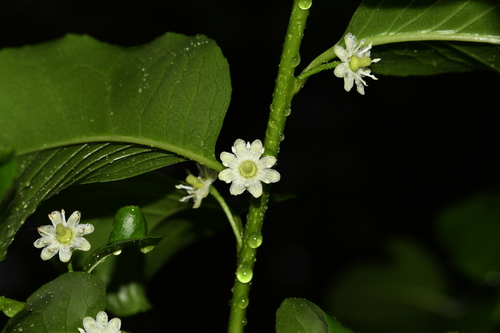
iNaturalist· cc-by-nc
(c) Keita Watanabe, some rights reserved (CC BY-NC), uploaded by Keita Watanabe
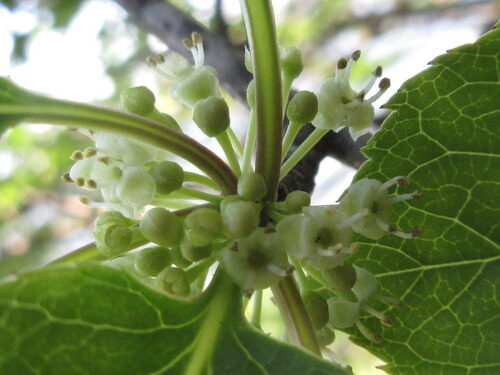
iNaturalist· cc-by
(c) 呂一起(Lu i-chi), some rights reserved (CC BY), uploaded by 呂一起(Lu i-chi)
Description
Ilex pedunculosa is an evergreen Shrub growing to 10 m (32ft) by 6 m (19ft). See above for USDA hardiness. It is hardy to UK zone 5. It is in leaf all year, in flower in June, and the seeds ripen from October to November. The species is dioecious (individual flowers are either male or female, but only one sex is to be found on any one plant so both male and female plants must be grown if seed is required). . Suitable for: light (sandy), medium (loamy) and heavy (clay) soils. Suitable pH: mildly acid, neutral and basic (mildly alkaline) soils. It can grow in semi-shade (light woodland) or no shade. It prefers moist soil.
Edible Uses
Young leaves - cooked. Some caution is advised, see the notes above on toxicity.
Medicinal Uses
Carminative Skin Tonic. Carminative, skin, tonic.
Known Hazards
Although no specific reports of toxicity have been seen for this species, the fruits of at least some members of this genus contain saponins and are slightly toxic. They can cause vomiting, diarrhoea and stupor if eaten in quantity.
Distribution
E. Asia - China, Japan.
Where It Grows
TEMPERATE ASIA: China, Japan (Honshu, Kyushu, Shikoku), Taiwan
Cultivation
Succeeds in most soils so long as they are not water-logged. Plants are hardy to about -10°c. Resents root disturbance, especially as the plants get older. It is best to place the plants into their permanent positions as soon as possible, perhaps giving some winter protection for their first year or two. Plants are very tolerant of pruning and can be cut right back into old wood if required. Dioecious. Male and female plants must be grown if seed is required.
Propagation
Seed - best sown as soon as it is ripe in the autumn in a cold frame. It can take 18 months to germinate. Stored seed generally requires two winters and a summer before it will germinate and should be sown as soon as possible in a cold frame. Scarification, followed by a warm stratification and then a cold stratification may speed up the germination time. The seedlings are rather slow-growing. Pot them up into individual pots when they are large enough to handle and grow them on in light shade in a cold frame for their first year. It is possible to plant them out into a nursery bed in late spring of the following year, but they should not be left here for more than two years since they do not like being transplanted. Alternatively, grow them on in their pots for a second season and then plant them out into their permanent positions in late spring or early summer. Give them a good mulch and some protection for their first winter outdoors. Cuttings of almost ripe wood with a heel, August in a shaded position in a cold frame. Leave for 12 months before potting up. Layering in October. Takes 2 years.
Other Uses
Dye WoodA dark red dye is obtained from the leaves. Wood - white, beautifully veined.