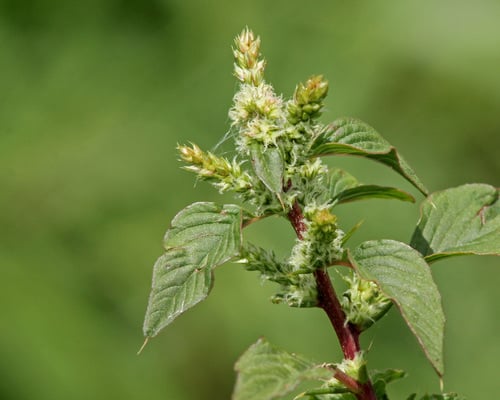
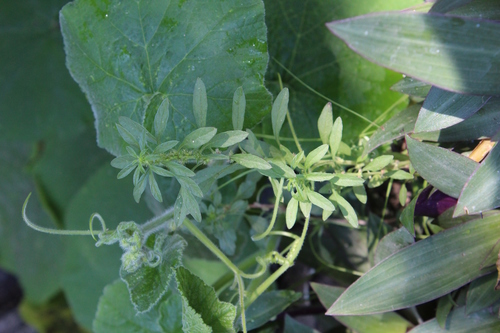
Hordeum jubatum
L.
Foxtail Barley, Intermediate barley
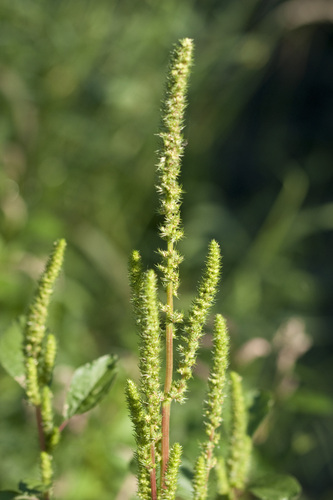
iNaturalist· cc-by-nc
(c) caithdg, some rights reserved (CC BY-NC)
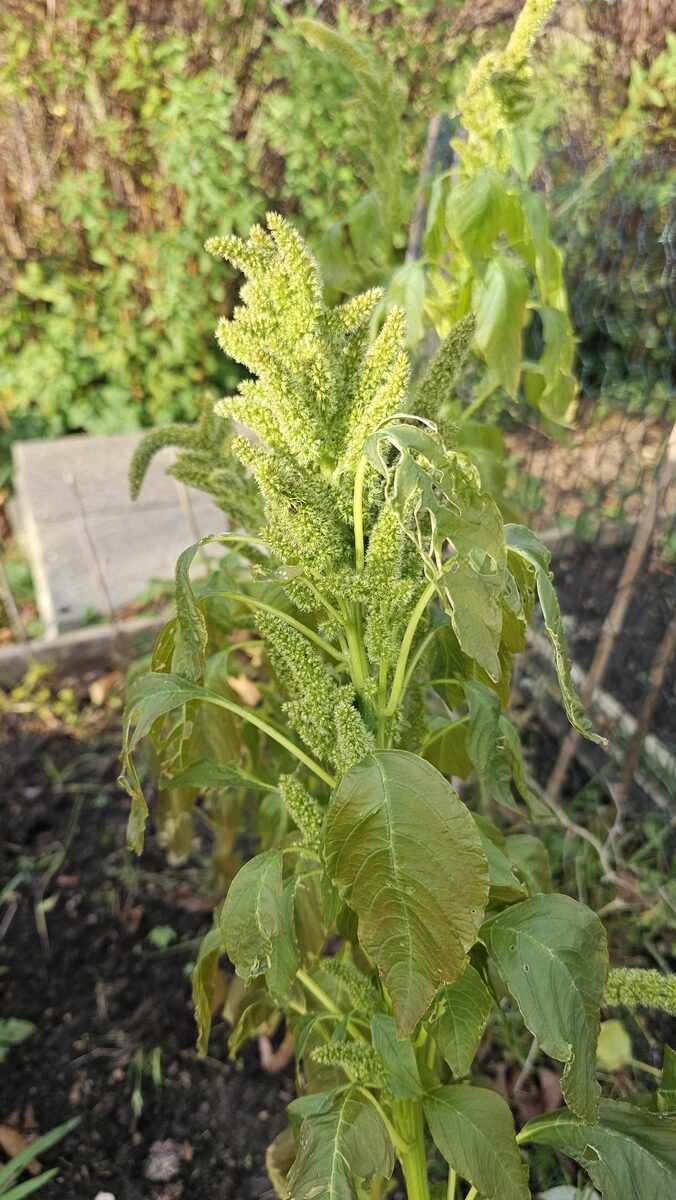
iNaturalist· cc-by-sa
(c) Douglas Goldman, some rights reserved (CC BY-SA), uploaded by Douglas Goldman
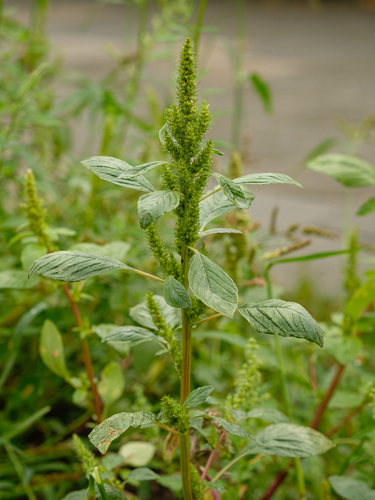
iNaturalist· cc-by-nc
(c) James Bailey, some rights reserved (CC BY-NC), uploaded by James Bailey
Description
Hordeum jubatum is a PERENNIAL growing to 0.3 m (1ft). See above for USDA hardiness. It is hardy to UK zone 5. It is in flower in June. The species is hermaphrodite (has both male and female organs) and is pollinated by Wind. Suitable for: light (sandy), medium (loamy) and heavy (clay) soils and prefers well-drained soil. Suitable pH: mildly acid, neutral and basic (mildly alkaline) soils. It cannot grow in the shade. It prefers dry or moist soil and can tolerate drought.
Edible Uses
Coffee. Seed - raw or cooked. The seed can be ground into a flour and used as a cereal in making bread, porridge etc. Native North Americans would eat the dry flour raw. The seed is exceedingly small and fiddly to use. The roasted seed is used as a coffee substitute.
Medicinal Uses
The dry root can be wrapped, then moistened and used as a compress for styes in the eyes or on swollen eyelids.
Known Hazards
The barbed awns around the seeds can work their way into the gums and digestive tract of animals when the seed is eaten, causing irritation and inflammation. They can also work their way into the ears and eyes, sometimes causing blindness and even death.
Distribution
Most areas of N. America to Siberia. An occasional casual in Britain.
Where It Grows
TEMPERATE ASIA: Russian Federation (Buryatia, Yakutia-Sakha, Krasnoyarsk (south), Irkutsk (south), Kemerovskaja oblast, Kurganskaja oblast, Omsk), Russian Federation (Habarovskij kraj, Primorye, Kamcatskij kraj, Magadanskaja oblast), China (Heilongjiang Sheng, Liaoning Sheng) NORTHERN AMERICA: Canada (Northwest Territories, Yukon, Québec, Nova Scotia, Prince Edward Island, New Brunswick, Newfoundland and Labrador, Saskatchewan, Alberta, Manitoba, British Columbia), United States (Alaska, Indiana, Maine, Massachusetts, Michigan, New Hampshire, New Jersey, New York, Ohio, Pennsylvania, Rhode Island, West Virginia, Illinois, Iowa, Kansas, Minnesota, Missouri, Nebraska, North Dakota, Oklahoma, South Dakota, Wisconsin, Colorado, Idaho, Montana, Oregon, Washington, Wyoming, Maryland, New Mexico, Texas, Arizona, California, Nevada, Utah), Mexico (Baja California (Norte)) EUROPE: Russian Federation (Astrakhan, Saratov)
Cultivation
Prefers a rather dry soil and a sunny position. Succeeds in most soils and in climates ranging from sub-arctic to sub-tropical. Easily grown in light soils. Established plants are drought resistant. A very short-lived plant, it is often only an annual, though it often self sows a little.
Propagation
Seed - sow in situ in March or October and only just cover the seed. Make sure the soil surface does not dry out if the weather is dry. Germination takes place within 2 weeks. Division in spring. Very easy, larger clumps can be replanted direct into their permanent positions, though it is best to pot up smaller clumps and grow them on in a cold frame until they are rooting well. Plant them out in the spring.