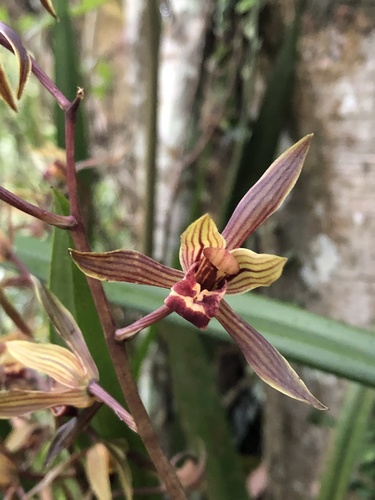
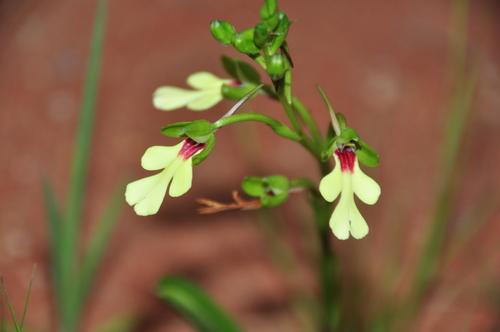
Goodyera oblongifolia
Raf.
Western Rattlesnake Plantain
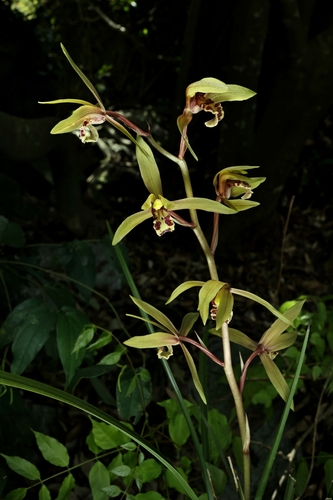
iNaturalist· cc-by-nc
(c) Asa Spade, some rights reserved (CC BY-NC), uploaded by Asa Spade
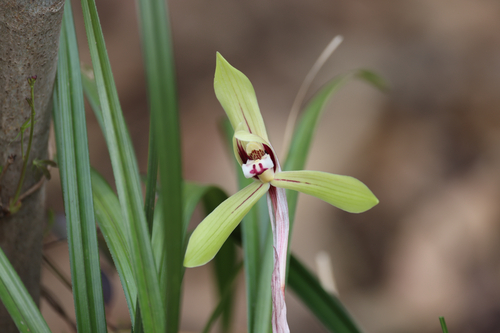
iNaturalist· cc-by-sa
(c) Ayotte, Gilles, 1948-, some rights reserved (CC BY-SA)
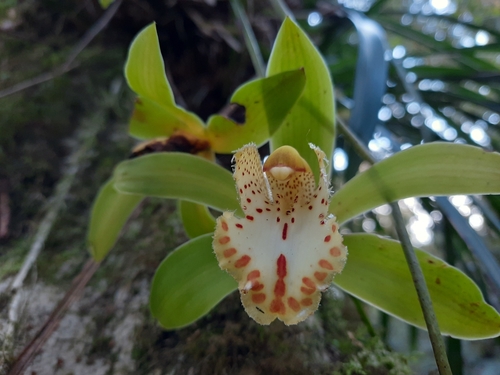
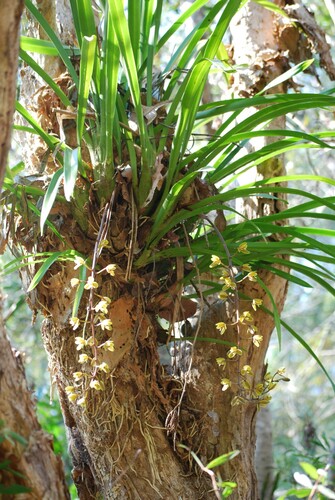
iNaturalist· cc-by-nc
(c) rose02mary, some rights reserved (CC BY-NC)
Description
Goodyera oblongifolia is a PERENNIAL growing to 0.3 m (1ft). See above for USDA hardiness. It is hardy to UK zone 7. It is in flower in August. The species is hermaphrodite (has both male and female organs). Suitable for: light (sandy) and medium (loamy) soils and prefers well-drained soil. Suitable pH: mildly acid, neutral and basic (mildly alkaline) soils. It can grow in semi-shade (light woodland) or no shade. It prefers dry or moist soil.
Edible Uses
An exudation from the plant is used as a chewing gum.
Medicinal Uses
Poultice TonicAn infusion of the plants has been used as a tonic. A poultice of the softened leaves has been applied to cuts and sores. An infusion of the leaves has been used in the bath water for treating stiff muscles.
Distribution
N. America - Quebec to British Columbia, New Hampshire, Michigan, Arizona and California.
Where It Grows
NORTHERN AMERICA: United States (Alaska, Maine, Michigan, Vermont, Nebraska, South Dakota, Wisconsin, Colorado, Idaho, Montana, Oregon, Washington, Wyoming, New Mexico, Arizona, California, Utah), Canada (Québec, Nova Scotia, Ontario, New Brunswick, Newfoundland and Labrador, Saskatchewan, Alberta, British Columbia), Mexico (Chihuahua)
Cultivation
Requires a somewhat shady site and a well-drained compost of peat, leafmold and sand. Does well in the woodland garden. This species is not very hardy in Britain, it is suitable for cultivation in a cool greenhouse or, perhaps, for a select position outdoors. It is closely related to the British native species G. repens. Orchids are, in general, shallow-rooting plants of well-drained low-fertility soils. Their symbiotic relationship with a fungus in the soil allows them to obtain sufficient nutrients and be able to compete successfully with other plants. They are very sensitive to the addition of fertilizers or fungicides since these can harm the symbiotic fungus and thus kill the orchid.
Propagation
Seed - surface sow, preferably as soon as it is ripe, in the greenhouse and do not allow the compost to dry out. The seed of this species is extremely simple, it has a minute embryo surrounded by a single layer of protective cells. It contains very little food reserves and depends upon a symbiotic relationship with a species of soil-dwelling fungus. The fungal hyphae invade the seed and enter the cells of the embryo. The orchid soon begins to digest the fungal tissue and this acts as a food supply for the plant until it is able to obtain nutrients from decaying material in the soil. It is best to use some of the soil that is growing around established plants in order to introduce the fungus, or to sow the seed around a plant of the same species and allow the seedlings to grow on until they are large enough to move. Division is best carried out in the spring. Each division should have a leading point and two, or preferably three, joints of the rhizome. More propagating material can be obtained by cutting halfway through the rhizome during the previous growing season at the point where you wish to divide. This will stimulate the production of growth buds at the point of division.
Other Uses
Gum. None known