Cynanchum sibiricum - (L.)R.Br.
(L.)R.Br.
gbif· cc-by-nc
Mike Yan
gbif· cc-by-nc
Mike Yan
gbif· cc-by-nc
mattmsa
Description
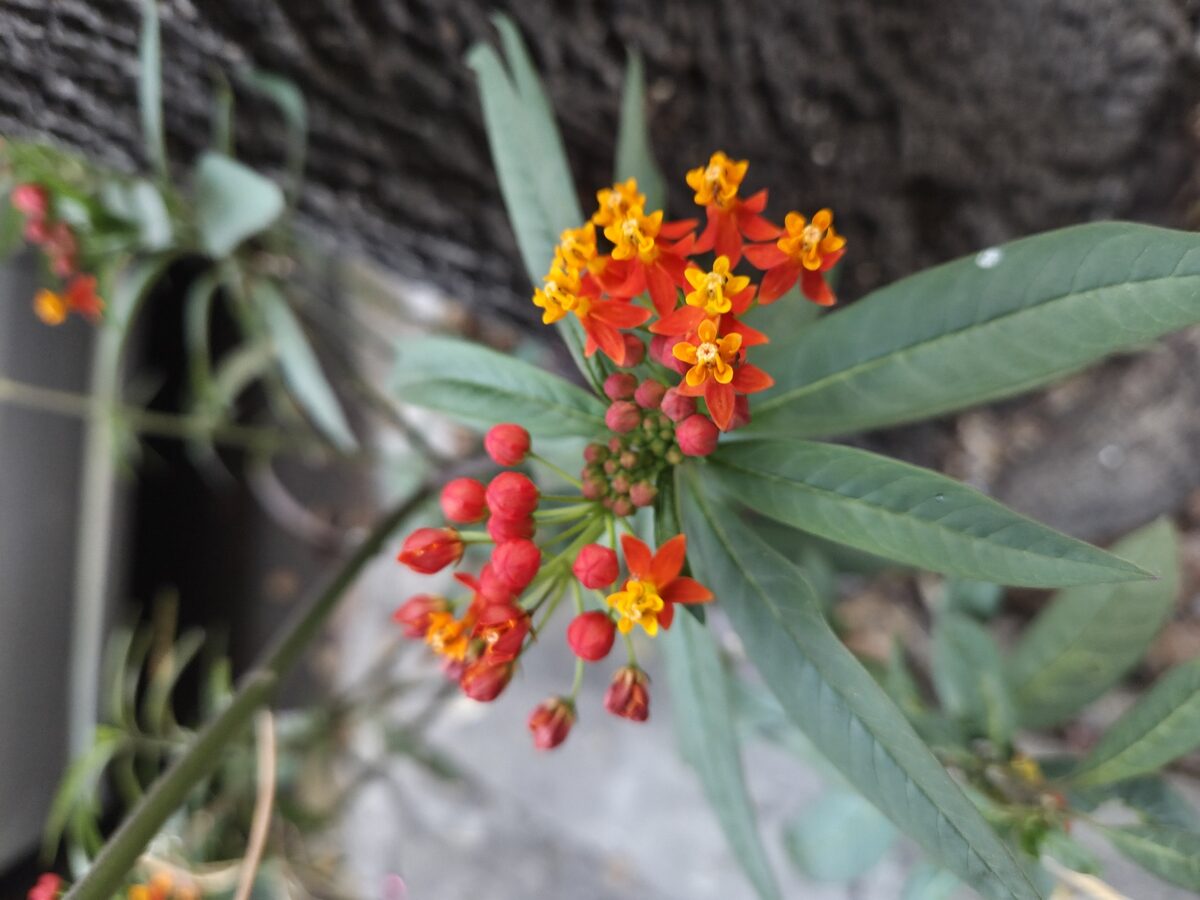
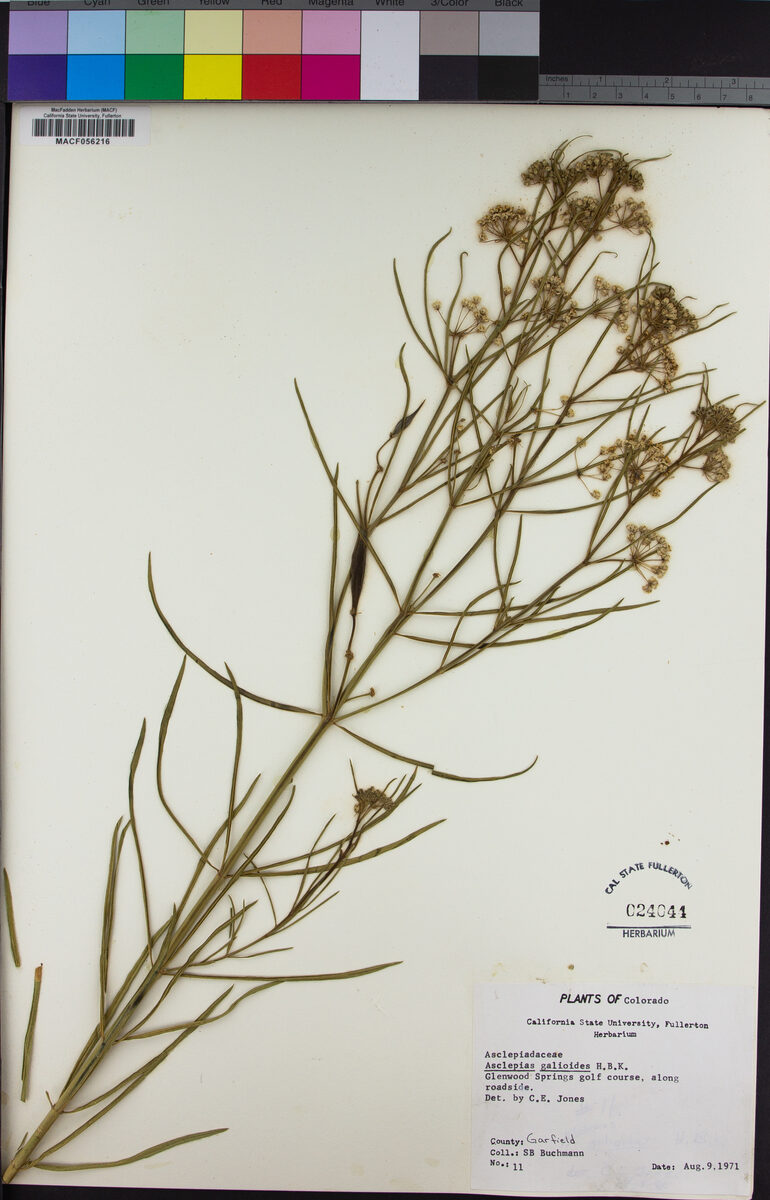
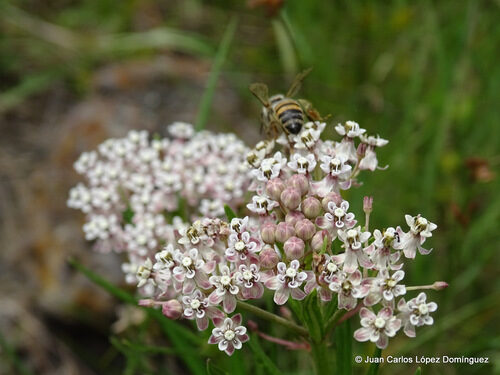
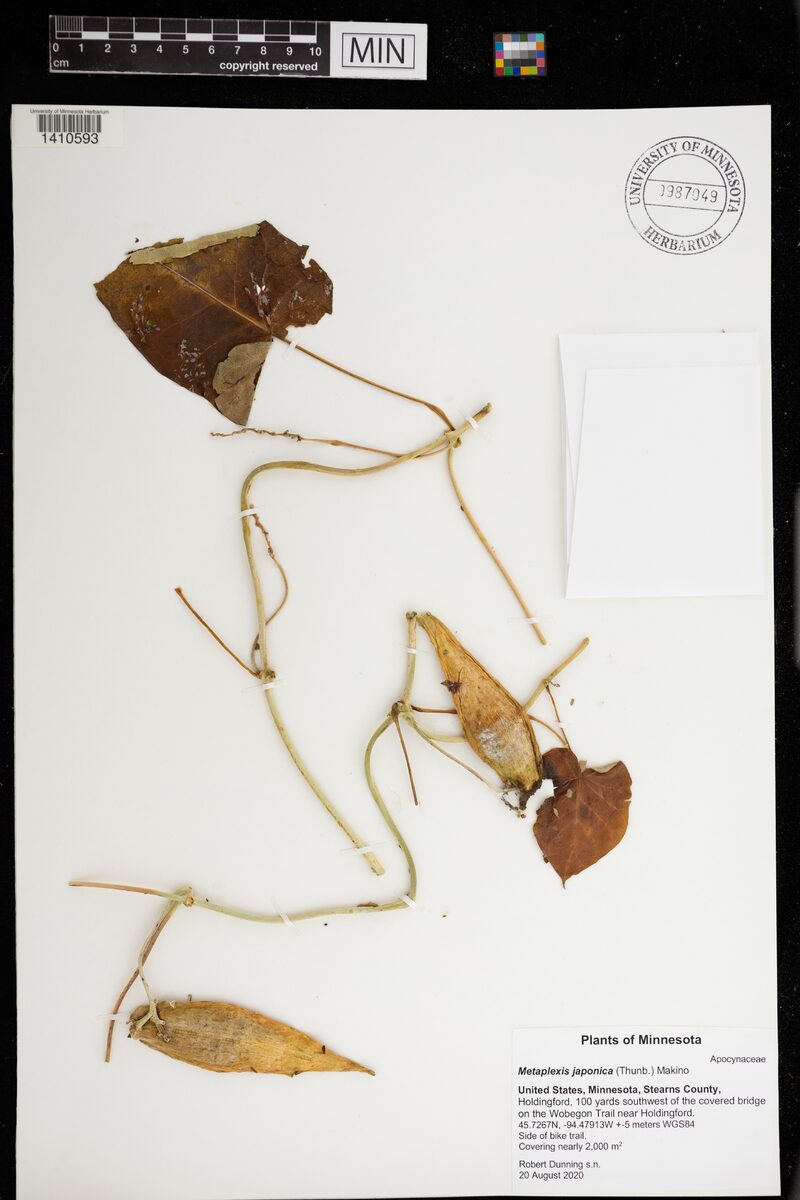
Cynanchum sibiricum is a PERENNIAL CLIMBER. The species is hermaphrodite (has both male and female organs) and is pollinated by Insects. Suitable for: light (sandy), medium (loamy) and heavy (clay) soils. Suitable pH: mildly acid, neutral and basic (mildly alkaline) soils. It can grow in semi-shade (light woodland) or no shade. It prefers moist soil.
Edible Uses
Leaves - cooked. Some caution is advised, see the notes above on toxicity. Seedpods. No further details but we assume that they need to be cooked. Some caution is advised, see the notes above on toxicity. Seed. No further details are given, this could refer to the seedpod instead of the seed.
Known Hazards
There are some reports of toxins in this genus.
Distribution
E. Asia - Manchuria.
Where It Grows
TEMPERATE ASIA: Afghanistan, Iran, Iraq, Turkey, Russian Federation (Altay, Gorno-Altay, Novosibirsk, Omsk), Kazakhstan, Turkmenistan, Uzbekistan, Mongolia, China (Gansu Sheng, Hebei Sheng, Nei Mongol Zizhiqu, Ningxia Huizi Zizhiqu, Xinjiang Uygur Zizhiqu, Xizang Zizhiqu) TROPICAL ASIA: India (Jammu and Kashmir), Pakistan
Cultivation
We have very little information on this species and do not know if it will be hardy in Britain, though judging by its native range it should succeed outdoors in many parts of this country. It probably does not have any special cultivation requirements and will probably succeed in most soils in a sunny position. There is a lot of confusion over the correct name of this species. According to the Russian flora C. sibiricum. (L.)R.Br. is a synonym of Antitoxicum sibiricum. (L.)Pobed. a perennial that grows to 45cm on sandhills, in pine woods, steppe and rocky slopes from W. Siberia to China. The same flora mentions C. sibiricum. Willd, a perennial that is very closely related to C. acutum (q.v.) and grows on tugail soils by rivers and brooks, irrigation canals, alluvial and sand dunes. We cannot be sure which of these species is meant in the reports of edibility.
Propagation
Seed - sow spring in the greenhouse. When they are large enough to handle, prick the seedlings out into individual pots and grow them on in the greenhouse for at least their first winter. Plant them out into their permanent positions in late spring or early summer, after the last expected frosts. Division in spring.