Pentatropis nivalis
)J. F. Gmel.) D. V. Field & J. R. I. Wood
iNaturalist· cc-by-nc
(c) Milind Girdhari, some rights reserved (CC BY-NC)
iNaturalist· cc-by-nc
(c) Milind Girdhari, some rights reserved (CC BY-NC)
iNaturalist· cc-by-nc
(c) Milind Girdhari, some rights reserved (CC BY-NC)
Description
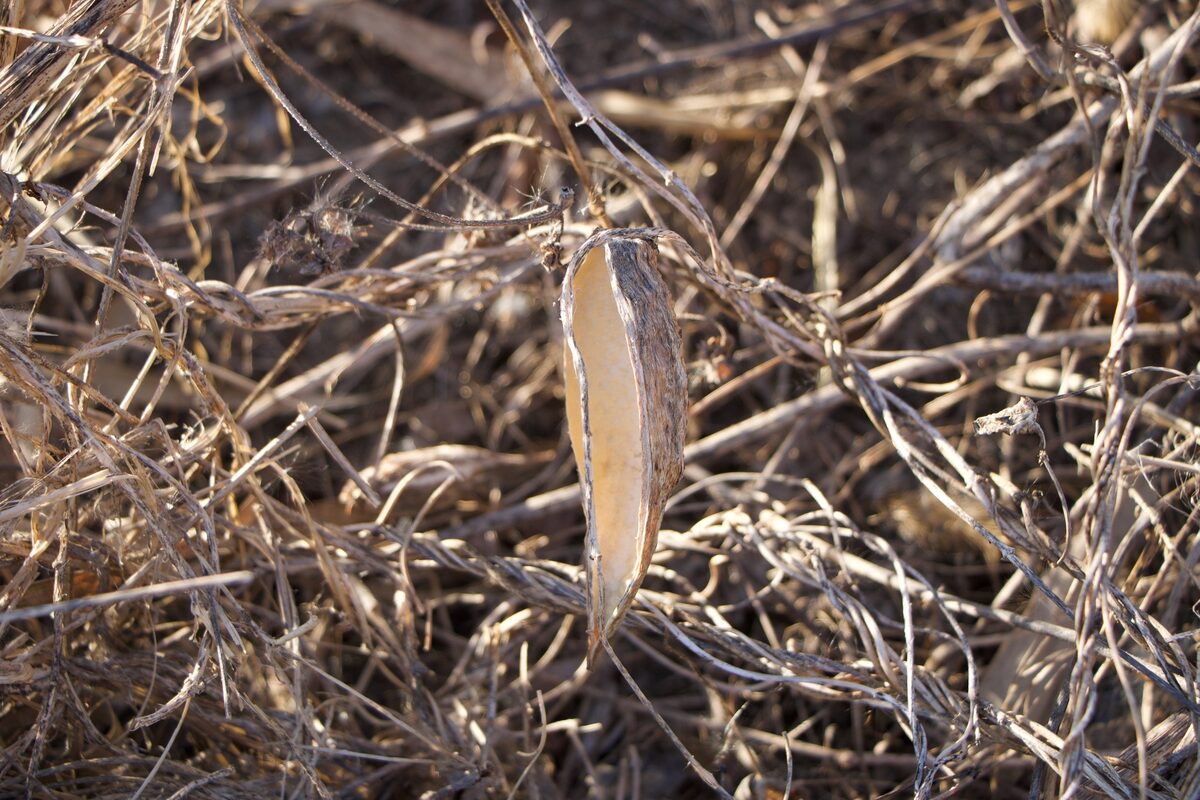
A twining herb. It grows 4 m tall. The older stems have rough corky bark. The leaves are opposite and have short leaf stalks. They are fleshy and narrowly oblong. They are 1-5 cm long by 04.-3 cm wide. The flowers are in 5 flowered clusters in the axils of leaves. They are pale greenish yellow. The pods are 5-7 cm long by 1 cm wide. They are narrowed to a long tip. The seeds are oval and flattened. They are 4.5 mm long with a tuft of hairs at the tip.
Edible Uses
The young pods are eaten.
Traditional Uses
The young pods are eaten.
This uses section is brief — help expand it
Distribution
It is a Mediterranean climate plant. It can grow in dry and arid areas.
Where It Grows
Asia, India, Middle East, Oman,
Synonyms
References (1)
- Miller, A. G., Morris, M. & Stuart-Smith, S., 1988, Plants of Dhofar. The Southern Region of Oman, Traditional, Economic and Medicinal Uses. Sultanate of Oman. p 46