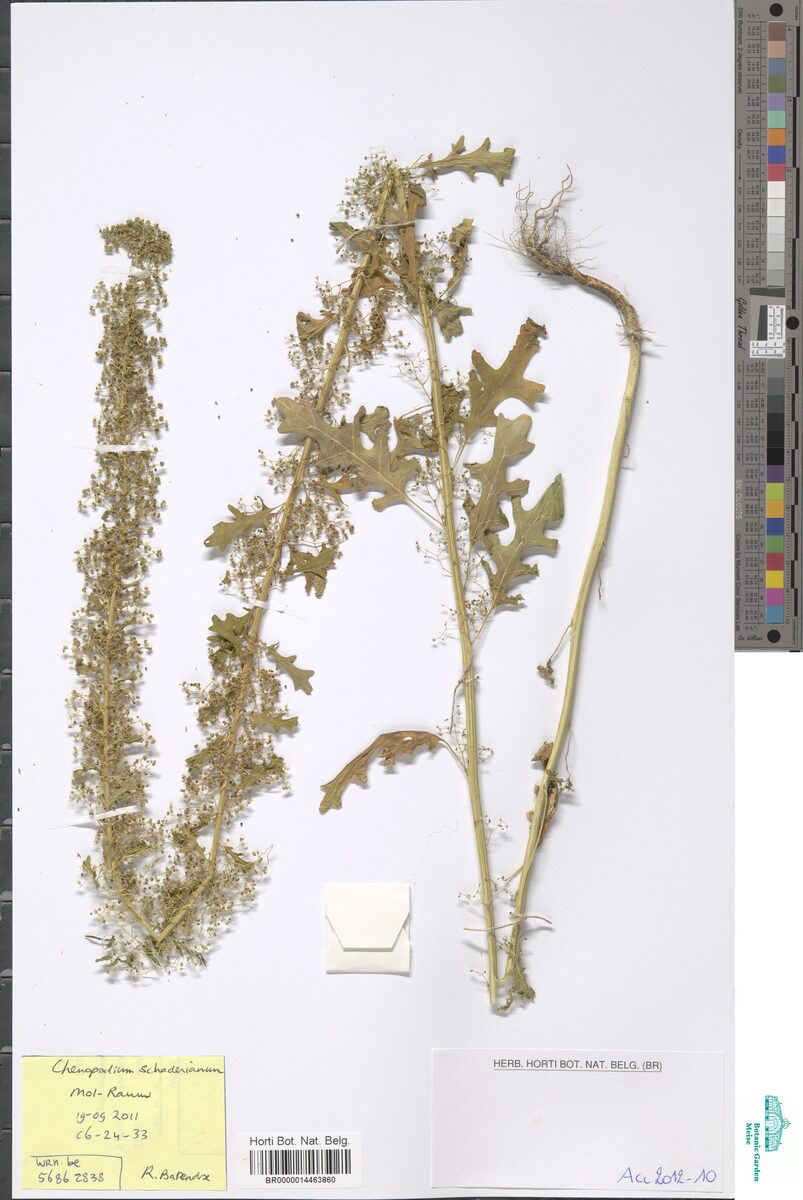
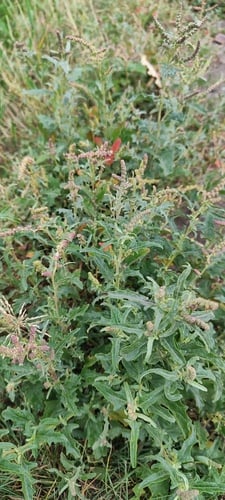
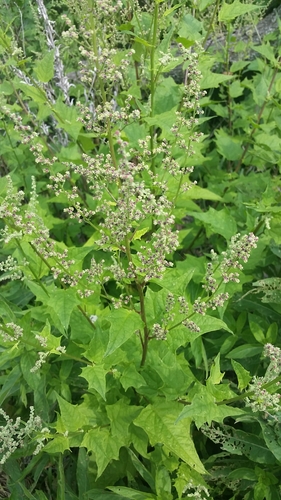
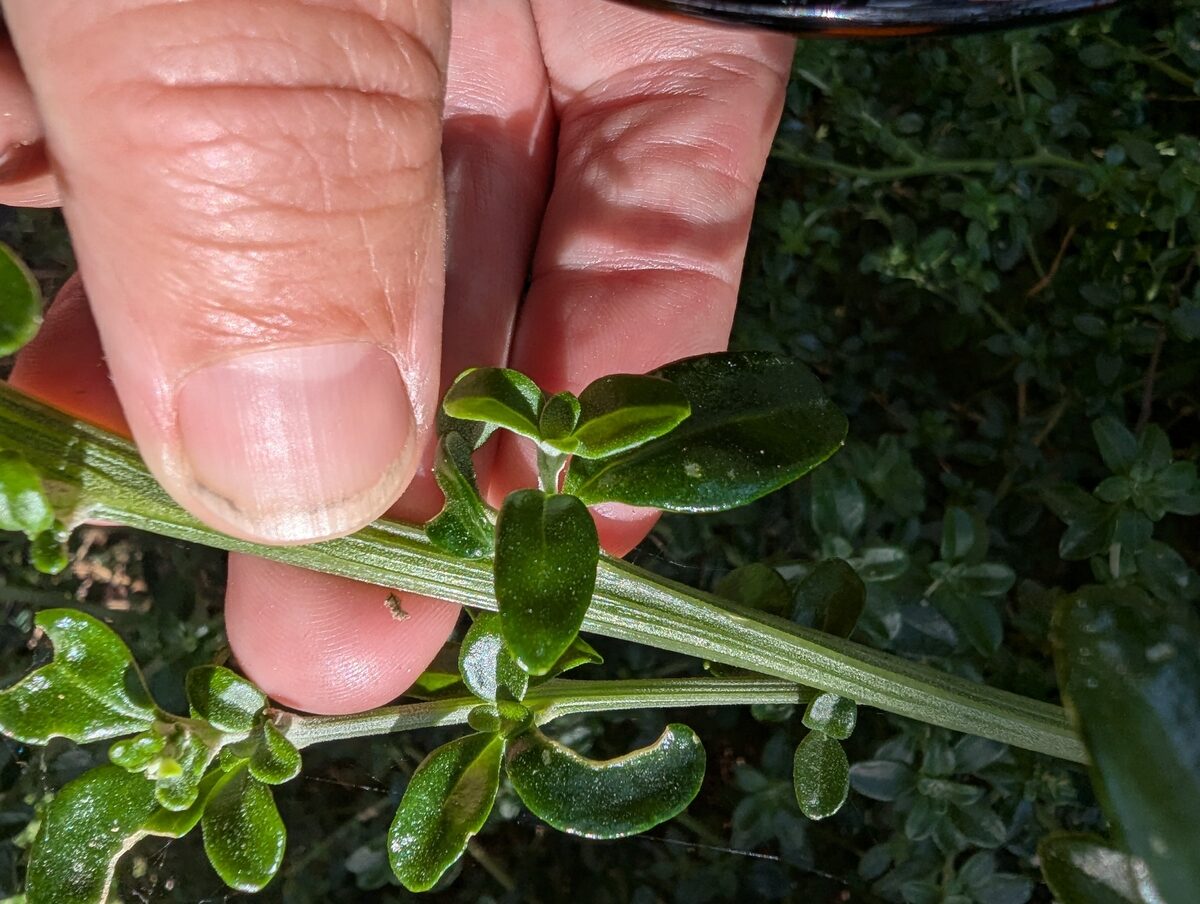
Catabrosa aquatica - (L.)Beauv.
(L.)Beauv.
Water WhirlGrass
gbif· cc-by-nc-nd
Mark de Vries
gbif· cc-by-nc-nd
Mark de Vries
gbif· cc-by-nc-nd
Robert Hagen
Description
Catabrosa aquatica is a PERENNIAL growing to 0.7 m (2ft 4in). See above for USDA hardiness. It is hardy to UK zone 3. It is in flower from June to August, and the seeds ripen from July to September. The species is hermaphrodite (has both male and female organs) and is pollinated by Wind. Suitable for: light (sandy), medium (loamy) and heavy (clay) soils. Suitable pH: mildly acid, neutral and basic (mildly alkaline) soils. It can grow in semi-shade (light woodland) or no shade. It prefers wet soil and can grow in water.
Edible Uses
Seed. No more information is given, but the seed is very small and fiddly to use. It would probably have been used as piñole or have been ground into a powder and used as a mush, as a thickener in soups and stews, or in making cakes, bread etc.
Medicinal Uses
A decoction of the plant has been used as a stimulant and tonic.
Distribution
Most of Europe, including Britain but absent in Spain and Portugal, N. and W. Asia, Algeria.
Where It Grows
TEMPERATE ASIA: Israel, Lebanon, Turkey, Armenia, Azerbaijan, Georgia NORTHERN AMERICA: Greenland, United States (Alaska) EUROPE: United Kingdom, Ireland, Iceland, Norway, Austria, Belgium, Switzerland, Czech Republic, Germany, Poland, Slovakia, Belarus, Estonia, Lithuania, Moldova, Russian Federation (Astrakhan, Kalmykija, Respublika, Karelia, Saratov, Volgogradskaja oblast), Ukraine (incl. Krym), Albania, Croatia, Italy, Romania, Serbia, Slovenia, Spain, France, Portugal AFRICA: Algeria, Libya, Morocco, Tunisia
Cultivation
We have no information on this, though judging by the plants native habitat it requires a wet soil and also succeeds in shallow water. It will also probably require a fairly sunny position.
Propagation
Seed - surface sow in the spring in a pot standing in shallow water. When they are large enough to handle, prick the seedlings out into individual pots and plant them out into their permanent positions in the summer. Division in the spring. The divisions can be planted direct into their permanent positions.
Other Uses
The plant has been burnt as an incense.