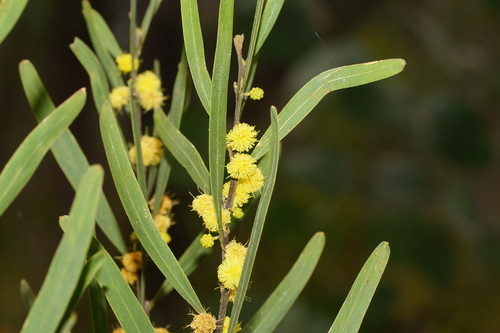
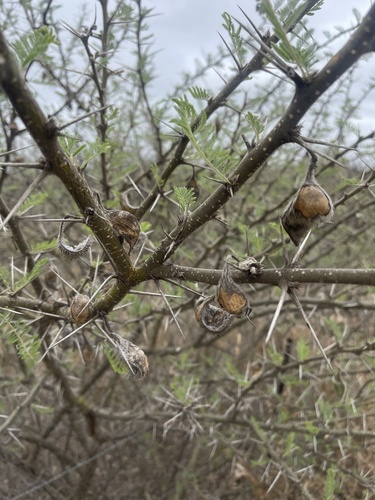
Acacia catechu - (L. f.) Willd.
(L. f.) Willd.
Cutch tree, Catechu acacia
gbif· cc-by-nc
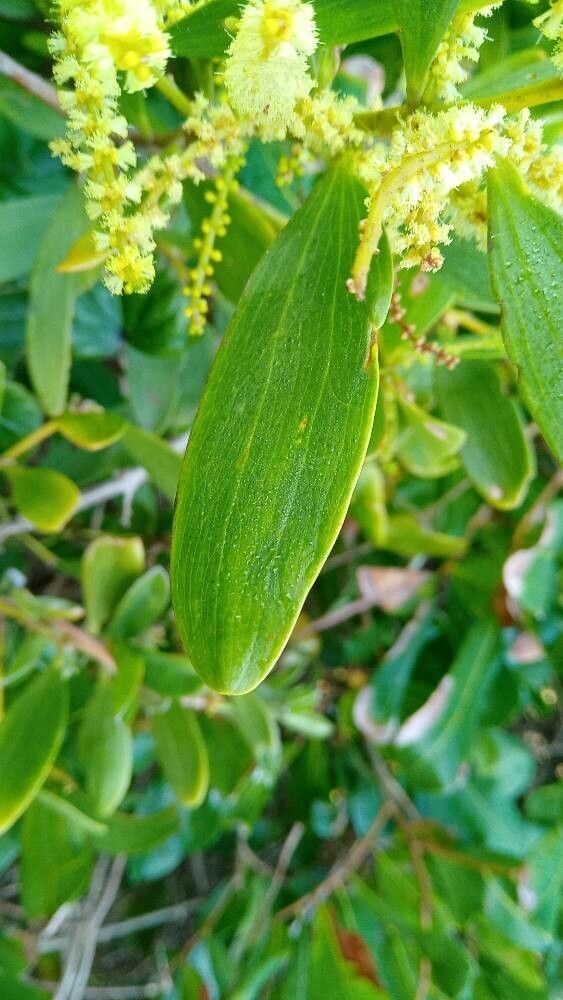
Alison Kreager
gbif· cc-by-nc
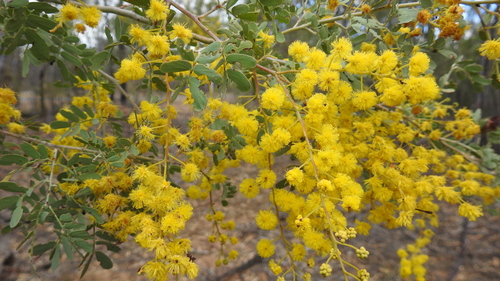
Bart Wursten
gbif· cc-by-nc
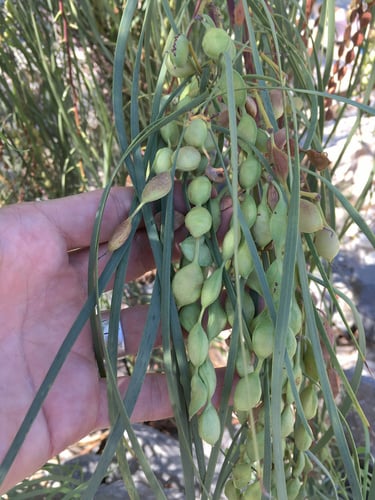
Santiago Mailhos
Description
Acacia catechu is a deciduous Tree growing to 15 m (49ft) by 10 m (32ft) at a fast rate. See above for USDA hardiness. It is hardy to UK zone 10. The flowers are pollinated by Bees, Insects. It can fix Nitrogen. It is noted for attracting wildlife. Suitable for: light (sandy), medium (loamy) and heavy (clay) soils and prefers well-drained soil. Suitable pH: mildly acid, neutral and basic (mildly alkaline) soils and can grow in very acid soils. It cannot grow in the shade. It prefers dry or moist soil.
Edible Uses
Edible Portion: Wood resin, Bark, Gum.
Medicinal Uses
The heartwood extract of A. catechu, called pale catechu or “Katha” in Hindi has been widely used in traditional Indian medicinal system.
Distribution
S. & SE Asia.
Where It Grows
TEMPERATE ASIA: China (Yunnan Sheng) TROPICAL ASIA: Bhutan, India, Nepal, Pakistan (north), Myanmar, Thailand
Cultivation
Agroforestry Services: Nitrogen Fodder: Insect Industrial Crop: Dye Industrial Crop: Gum Industrial Crop: Medicinal Industrial Crop: Tannin Management: Coppice Regional Crop. Climate: Tropical. Humidity: semi-arid to humid. Cultivation: regional crop. Management: coppice.
Propagation
The tree is grown from seeds. It can be grown from cuttings.
Other Uses
This is rolled into balls and grated and mixed with betel nuts and lime and chewed. “Kachu” (obtained after boiling the heart wood) is high in phenolics and used for chewing with betel leaf. Dense thorny branches provide nesting sites for granivorus birds like Munias (Lonchura spp.). Carbon - Farming. Industrial Crop: tannin, medicinal, gum, dye. Agroforestry Services: nitrogen. Fodder: insect.
Synonyms
Also Known As
Black catechu, Black cutch, Kachu, Karangalli, Keo cau, Khadira, Khair, Khayar, Mung-ting, Nya, Pohon akasia katecu, Sandra, See-siad, Seesiat nuea, Sha, Shaji, Tun-sa-se, Wadalee-Gum tree