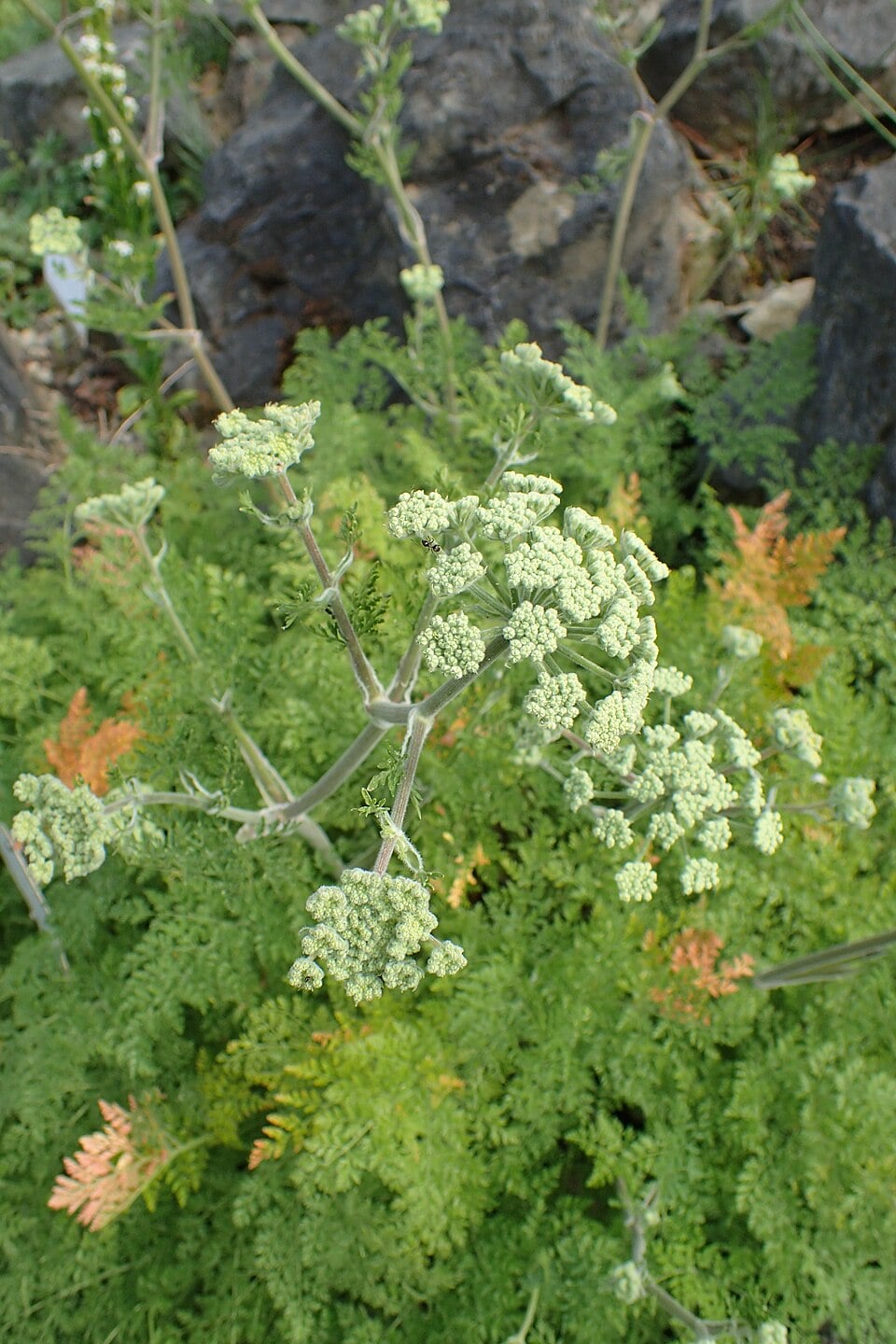
Torilis nodosa - (L.) Gaertn.
(L.) Gaertn.
Knotted Hedge-Parsley
gbif· cc-by-nc
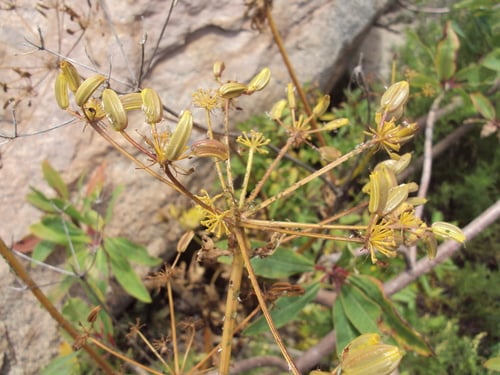
lynnwchen
gbif· cc-by
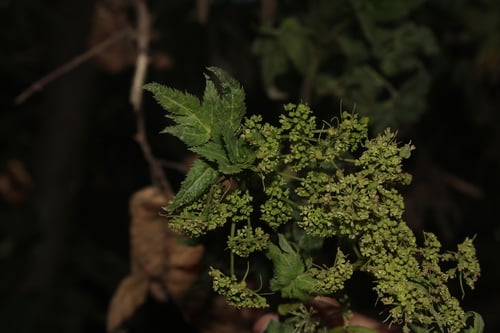
Daniel Cahen
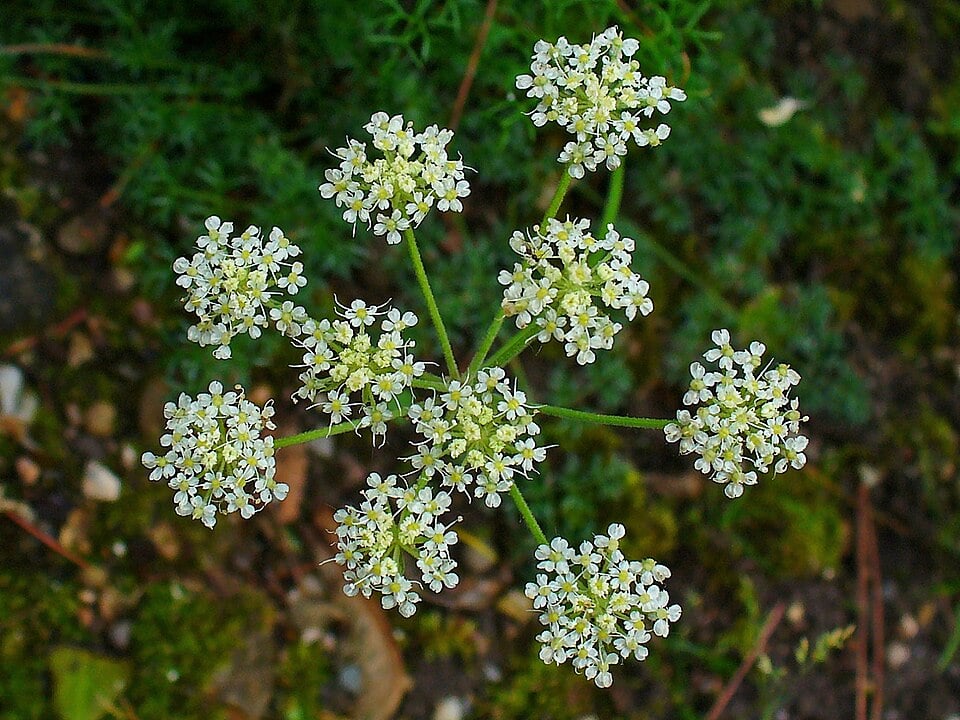
gbif· cc0
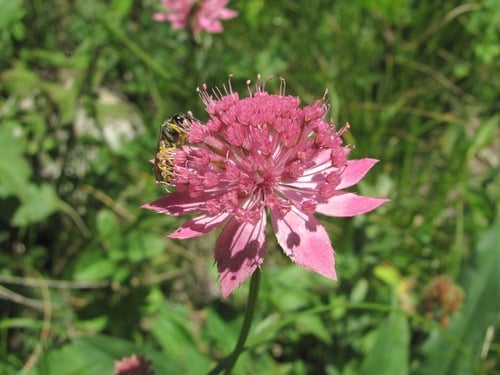
Piermario Maculan
Description
Torilis nodosa is a ANNUAL growing to 0.5 m (1ft 8in) by 0.3 m (1ft) at a fast rate. See above for USDA hardiness. It is hardy to UK zone 7. The flowers are pollinated by Insects. It is noted for attracting wildlife. Suitable for: light (sandy), medium (loamy) and heavy (clay) soils and prefers well-drained soil. Suitable pH: mildly acid, neutral and basic (mildly alkaline) soils. It cannot grow in the shade. It prefers dry or moist soil.
Edible Uses
Leaves. Wild green vegetables are used in southern Croatia and in the adjacent south- western Herzegovina .
Distribution
Native to Europe, especially the Mediterranean Basin, it is known elsewhere, including North America
Where It Grows
Native to: Afghanistan, Albania, Algeria, Baleares, Belgium, Bulgaria, Canary Is., Corse, Cyprus, East Aegean Is., Egypt, France, Great Britain, Greece, Gulf States, Iran, Iraq, Ireland, Italy, Kriti, Krym, Lebanon-Syria, Libya, Madeira, Morocco, Netherlands, North Caucasus, Pakistan, Palestine, Portugal, Romania, Sardegna, Saudi Arabia, Sicilia, Spain, Tadzhikistan, Transcaucasus, Tunisia, Turkey, Turkey-in-Europe, Turkmenistan, Uzbekistan, West Himalaya, Croatia, Montenegro, Serbia, Slovenia, Bosnia and Herzegovina, and Macedonia.
Cultivation
This species is harvested in the wild. A weed growing in many types of habitat, particularly disturbed areas. Procumbent, ascending or erect annual herb, 10-60 cm high. Flowering May to July.
Propagation
Seed.
Synonyms
Also Known As
Knotted hedge-parsley, Short sock-destroyer, knotted bur parsley, Hedge-parsley, Knotted-parsley