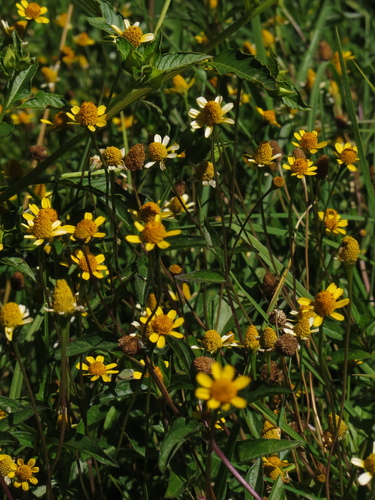
Santolina rosmarinifolia
L.
Holy Flax
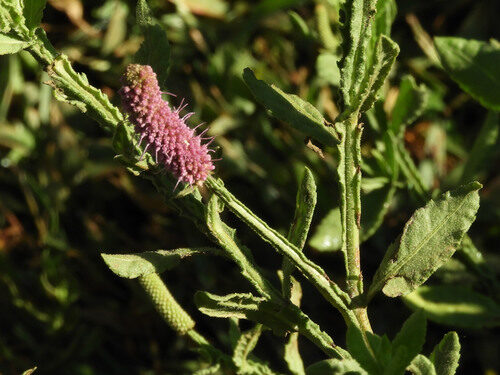
iNaturalist· cc-by-nc-nd
(c) mario_mairal, some rights reserved (CC BY-NC-ND), uploaded by mario_mairal
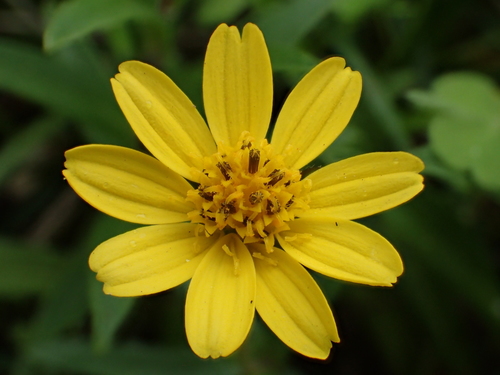
iNaturalist· cc-by-nc
(c) AnaCollados, some rights reserved (CC BY-NC), uploaded by AnaCollados
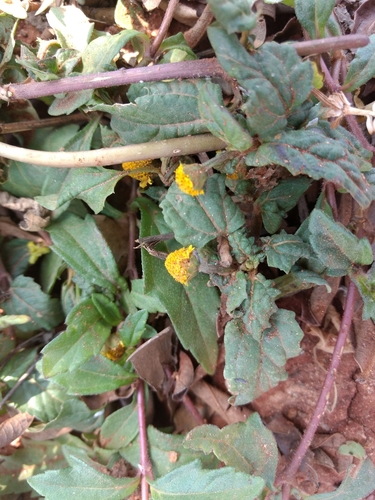
iNaturalist· cc-by
(c) zebedeugalinha, some rights reserved (CC BY), uploaded by zebedeugalinha
Description
Santolina rosmarinifolia is an evergreen Shrub growing to 0.5 m (1ft 8in) by 1 m (3ft 3in). See above for USDA hardiness. It is hardy to UK zone 7. It is in leaf all year, in flower from July to August. The species is hermaphrodite (has both male and female organs) and is pollinated by Insects. Suitable for: light (sandy) and medium (loamy) soils, prefers well-drained soil and can grow in nutritionally poor soil. Suitable pH: mildly acid, neutral and basic (mildly alkaline) soils. It cannot grow in the shade. It prefers dry or moist soil and can tolerate drought.
Edible Uses
Tea. Holy Flax leaves are added to savoury Mediterranean dishes and to cocktails to add an olive-like flavour. Small quantities set off sweet dishes with the olive flavour. The flowering parts are used in herbal tea.
Known Hazards
The bruised leaves have been known to cause a severe rash on sensitive skins.
Distribution
S.W. Europe.
Where It Grows
EUROPE: Spain, France, Portugal
Cultivation
Does not require a rich soil and dislikes wet conditions around the roots. Prefers a light sandy soil in full sun. Established plants are drought tolerant, growing well in a hot dry soil. Plants grow well in the cracks of a south-facing wall that contains pockets of soil. This species is not very frost tolerant and is only hardy in the milder areas of Britain. This species is often confused in gardens with S. pinnata neopolitanum. There are some named forms, selected for their ornamental value. The flowers smell vile. Tolerates shearing so long as this is not done at times of low resistance (winter?). Plants can be cut back hard in spring to maintain their form. Plants in this genus are notably resistant to honey fungus. Heat zone: 9-6. The cultivar ‘Lemon Fizz’ and the dwarf cultivar S. rosmarinifolia subsp. rosmarinifolia 'Primrose Gem' have gained the Royal Horticultural Society's Award of Garden Merit.
Propagation
Seed - sow spring in a greenhouse. Does not require pre-treatment. Prick out the seedlings into individual pots when they are large enough to handle and grow them on in the greenhouse for their first winter. Plant them out in late spring or early summer of the following year. Cuttings of half-ripe side shoots, 5 - 8 cm, July/August in a frame. Roots within 2 weeks. High percentage. Division in spring or autumn. Larger divisions can be planted out direct into their permanent positions. We have found it best to pot up the smaller divisions and grow them on in a lightly shaded position in a cold frame, planting them out once they are well established in the summer. Layering.
Other Uses
Hedge Hedge. Can be grown as a low formal hedge and used as an edging plant. The plant is very tolerant of shearing. Perennial groundcover for zone 2 firebreaks. The US government has created a system of firebreaks for areas prone to wildfires, theses are separated into concentric zones surrounding buildings. Zone 2 is the second away from the house. These low-level groundcovers provide little fuel.
Synonyms
Also Known As
Holy Flax, Wadi Tops, Olive Herb. Manzanilla Blanca.