Phormium cookianum
Le Jolis.
Wharariki
iNaturalist· cc-by-nc
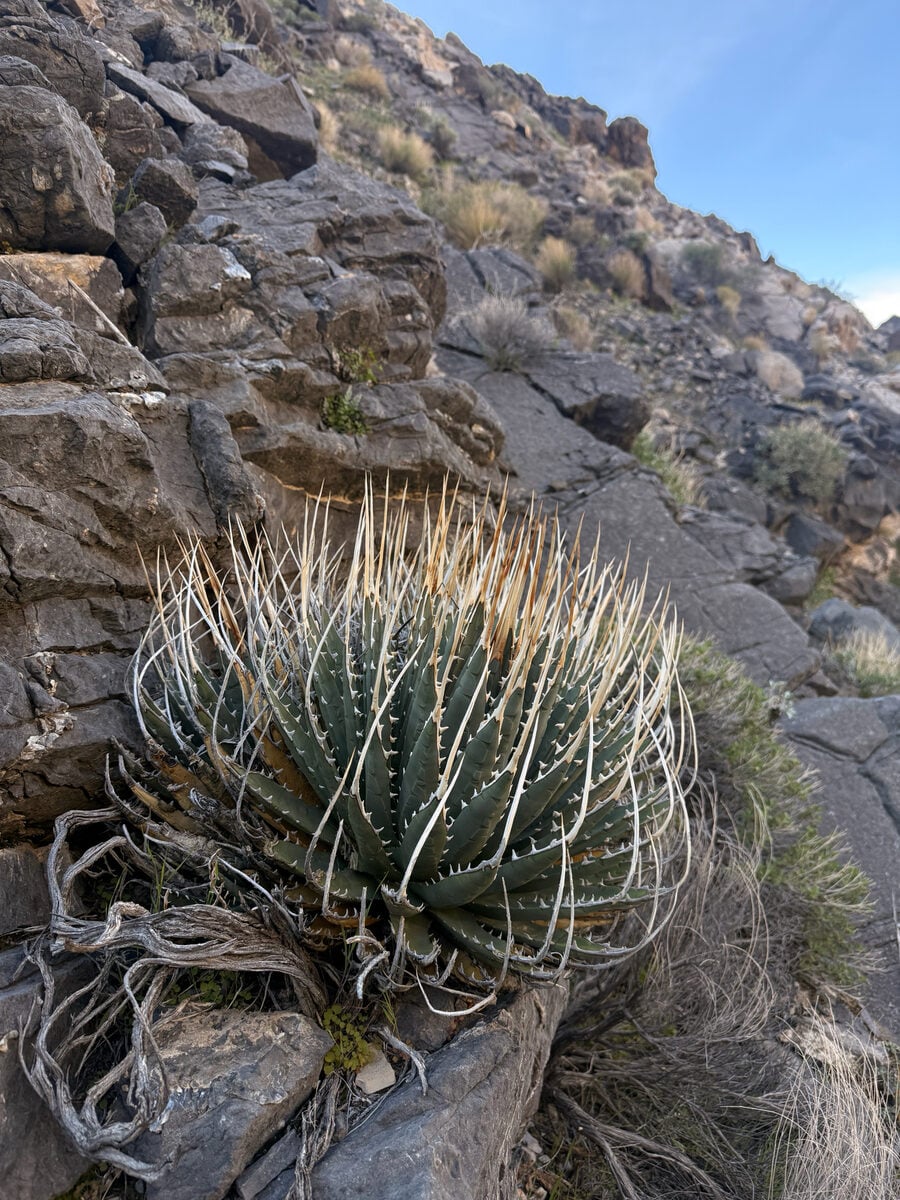
(c) Megan Gee, some rights reserved (CC BY-NC), uploaded by Megan Gee
iNaturalist· cc-by-nc
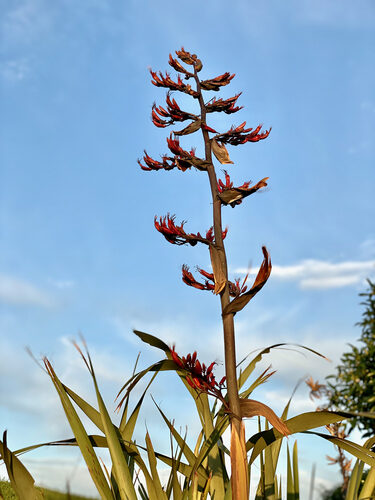
(c) Rowan Hindmarsh-Walls, some rights reserved (CC BY-NC), uploaded by Rowan Hindmarsh-Walls
iNaturalist· cc-by
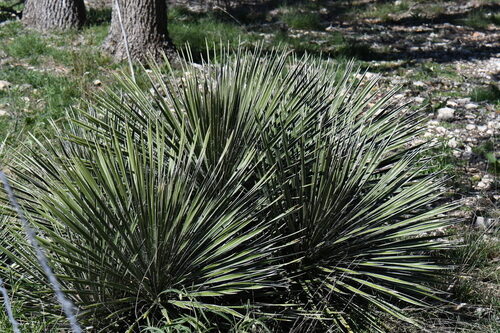
(c) wild_wind, some rights reserved (CC BY), uploaded by wild_wind
Description
Phormium cookianum is an evergreen Perennial growing to 1.2 m (4ft) by 0.3 m (1ft in). See above for USDA hardiness. It is hardy to UK zone 8 and is not frost tender. It is in leaf all year, in flower from July to August. The species is hermaphrodite (has both male and female organs). Suitable for: light (sandy), medium (loamy) and heavy (clay) soils. Suitable pH: mildly acid, neutral and basic (mildly alkaline) soils. It can grow in semi-shade (light woodland) or no shade. It prefers moist or wet soil. The plant can tolerate maritime exposure.
Edible Uses
Gum. The roasted seed is used as a coffee substitute. An edible nectar is obtained from the flowers. An edible gum is obtained from the base of the leaves.
Known Hazards
The root is highly purgative.
Distribution
New Zealand. Naturalized in Britain on the Scilly Isles.
Where It Grows
AUSTRALASIA: New Zealand (North Island, South Island, Stewart Island)
Cultivation
Prefers a rich loamy soil but is not too fussy, succeeding in peaty soils and in boggy moorland. Tolerates light shade but prefers full sun. Plants can be grown in quite coarse grass, which can be cut annually in the autumn. Very tolerant of maritime exposure, this species is recommended for coastal plantings. Hardy to about -10°c. Polymorphic, there are many named varieties. This species often hybridizes with P. tenax and there are many cultivars of uncertain origin. Members of this genus are rarely if ever troubled by browsing deer or rabbits.
Propagation
The seed is best sown as soon as it is ripe in a cold frame. Sow stored seed in February in a cold frame. Germination is sometimes poor but should take place in 1 - 6 months at 15°c. The seedlings are very variable. When they are large enough to handle, prick the seedlings out into individual pots and grow them on in the greenhouse for at least their first winter. Plant them out into their permanent positions in late spring or early summer, after the last expected frosts. The seed remains viable for about 12 months in normal storage. Division in spring as growth commences. Very easy, larger divisions can be planted out direct into their permanent positions. We have found that it is better to pot up the smaller divisions and grow them on in light shade in a cold frame until they are well established before planting them out in late spring or early summer.
Other Uses
Adhesive Fibre Gum GumA high quality pliable fibre is obtained from the leaves. A gum found at the base of the leaves is used as a paper glue.